Buying Guide
Apartments for Sale in Dubai UAE
How foreign ownership and off-plan escrow protections work, plus how to price and complete an apartment purchase in Dubai.
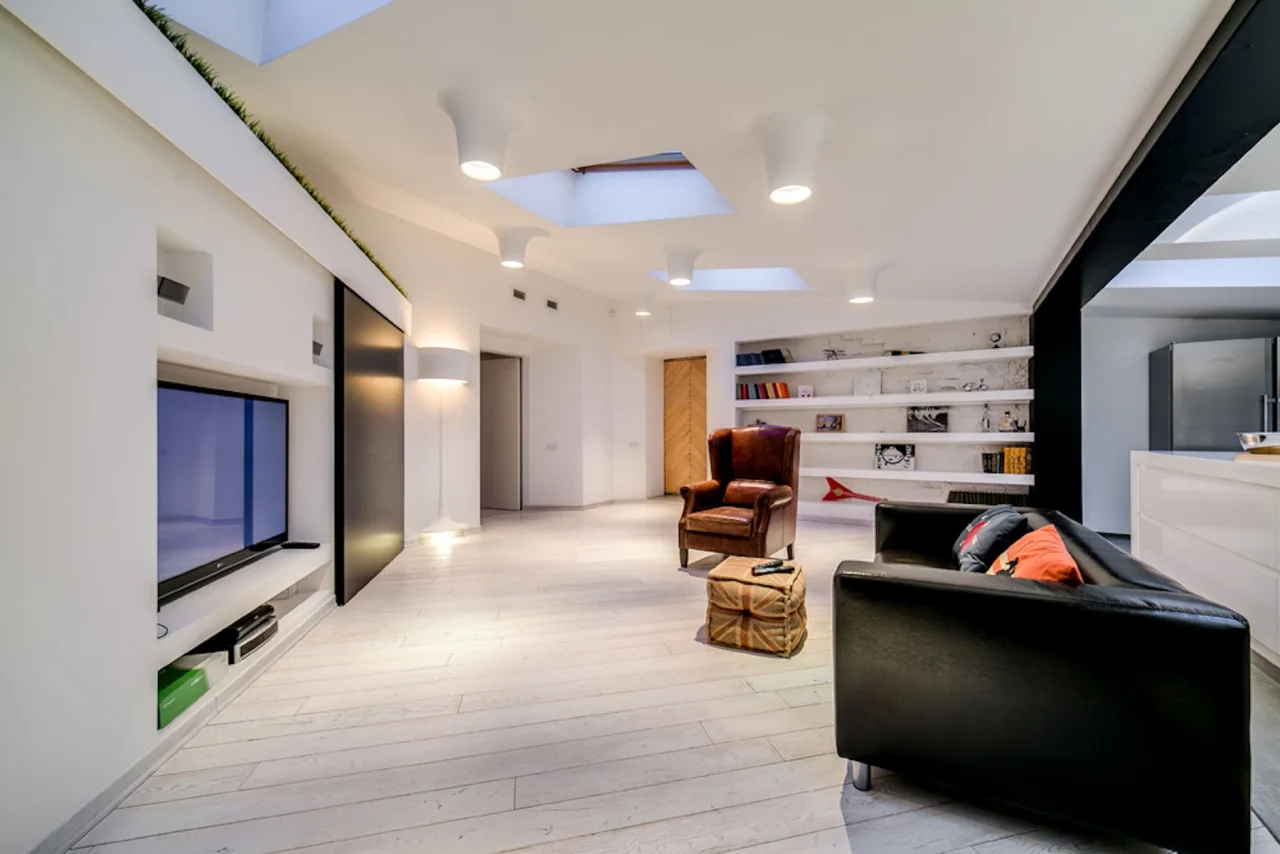
Buying an apartment in Dubai is one of the more accessible ways for overseas investors and residents to own real estate in the UAE. This guide focuses on the parts people search hardest for: how foreign ownership works, how buyer protections like escrow keep off-plan money safe, and how to price and complete a purchase without missteps.
The short version
- Dubai allows foreign freehold ownership of apartments in designated zones, unlike some parts of the UAE where non-nationals typically buy on leasehold or usufruct terms.
- Off-plan payments in Dubai are protected through developer escrow accounts regulated by RERA, but you should still verify the project and developer track record.
- Prices differ by community, tower, floor and view, and move with the market. Use DLD transaction data rather than asking prices to gauge value.
- Total buying costs run about 7 to 10 percent of the price, led by the 4 percent DLD transfer fee. Confirm the annual service charge before you commit.
Dubai within the UAE: why the emirate matters for buyers
The UAE is made up of seven emirates, and property rules differ between them. Dubai stands out for its long-established freehold framework, deep secondary market and transparent transaction records through the Dubai Land Department. Abu Dhabi, Sharjah, Ajman and Ras Al Khaimah each have their own rules, ownership structures and price levels. For a foreign buyer wanting a liquid, well-regulated apartment market with clear resale channels, Dubai is usually the first stop, which is why so much apartment demand concentrates here.
If you are weighing a compact investment against a family home, our practical apartment for sale in Dubai guide breaks down layouts and communities, and pairs well with this one.
Freehold ownership: what foreigners can and cannot do
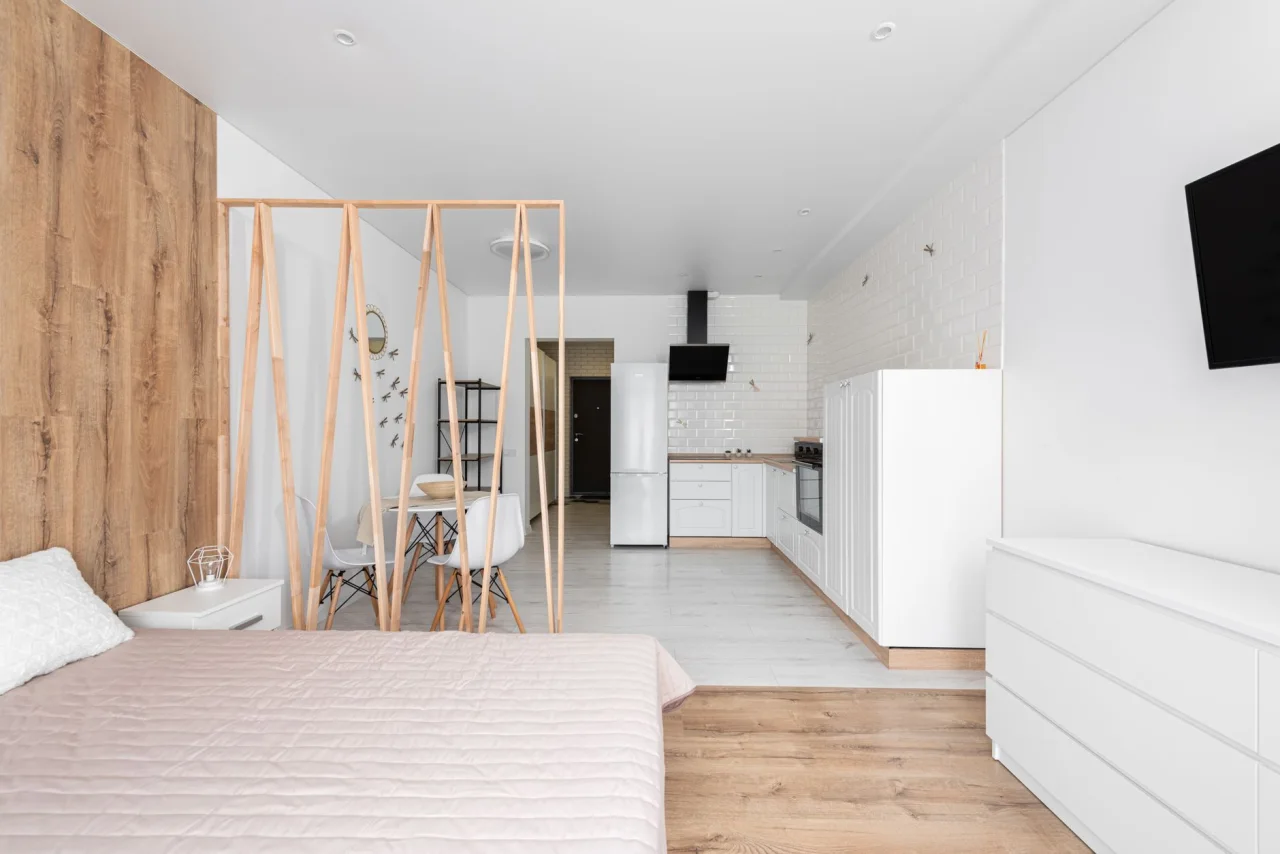
In Dubai's designated freehold areas, foreign nationals can own apartments outright, with a title deed registered at the DLD in their name. This includes many of the best-known apartment districts. Ownership is not tied to residency: you can buy as a non-resident, though financing and account opening can be more involved if you live abroad.
Freehold zones and ownership rules are set by the government and can be updated, so this is general information, not legal advice. Verify the current status of any specific building or area before you buy. The Dubai Land Department is the official authority for registration, title deeds and transaction data, and a RERA-registered agent can confirm a building's ownership status.
Tip: check the exact freehold status of the building
Do not assume an entire district is freehold. Status is set at the plot and project level, so ask your agent to confirm the specific building is a freehold title you can register in your own name, and see it in writing before paying a deposit.
Off-plan vs ready: the core choice
Most Dubai apartment buyers face one decision early: buy a ready unit or an off-plan one.
- Ready apartments give you an immediate title deed and the ability to move in or rent straight away. You see exactly what you are buying, and you avoid construction risk.
- Off-plan apartments are bought from the developer before completion, usually on a staged payment plan. Entry prices and payment terms can be attractive, but you take on handover timing and delivery risk, and you earn no rent until completion.
Neither is inherently better. If certainty and immediate income matter, ready suits you. If you can wait and want to spread payments, off-plan may fit. Our off-plan Dubai buyer's guide covers payment plans and completion risk in detail.
How buyer protection works with off-plan
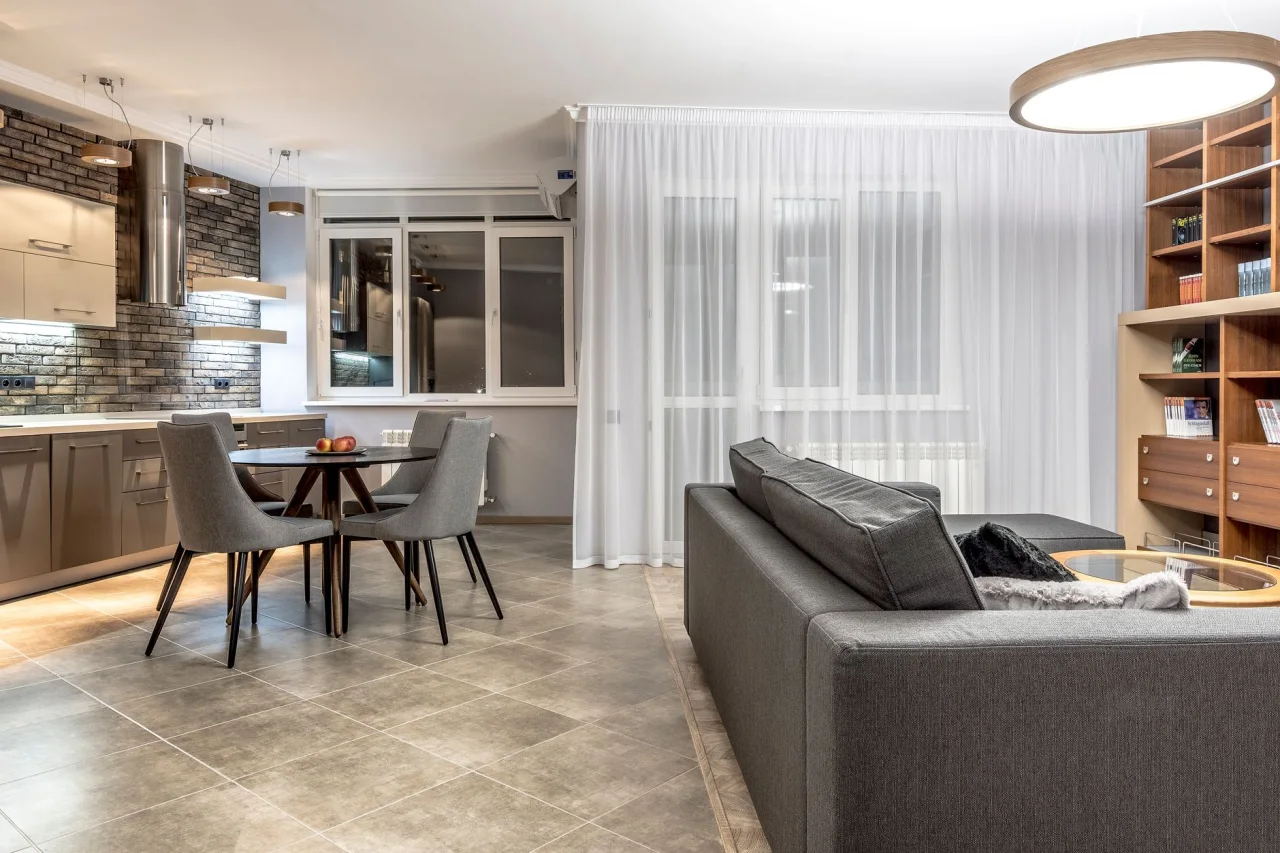
Dubai has structured protections for off-plan buyers. Developers are required to hold buyer payments in a project-specific escrow account, regulated so that funds are released against construction progress rather than paid directly to the developer to use freely. The Real Estate Regulatory Agency (RERA), part of the DLD, oversees developers and projects. This framework reduces, but does not eliminate, risk.
Sensible due diligence still matters: check that the project and developer are registered, that the escrow account is in place, and that the developer has a track record of delivering on time. Buying from an established developer with completed communities is generally lower risk than an unproven one. Treat marketing brochures as marketing, and verify the specifics independently.
Pricing apartments across Dubai: a realistic method
There is no single price for a Dubai apartment. Values vary by community, building, floor, view, size and finish, and they change with the market cycle. Rather than quote figures that would quickly date, use this approach:
- Anchor on DLD-registered sales. These reflect what buyers actually paid, not asking prices.
- Compare price per square foot within a building and adjust for floor and view.
- Weigh net yield, not just gross. Subtract the service charge and expected void periods.
- Get a professional benchmark. A RERA-registered agent can confirm current achievable prices.
Figures vary by tower, view and market conditions, so confirm current pricing with a RERA-registered agent or on the DLD and Dubai REST portals. Nothing here is a valuation of a specific unit.
The cost of buying and the mortgage question
On a ready apartment, budget roughly 7 to 10 percent of the price in transaction costs: the 4 percent DLD transfer fee, agency commission (commonly around 2 percent plus VAT), and registration and trustee fees, plus mortgage costs if you finance.
On financing, the Central Bank of the UAE sets loan-to-value limits that fix your minimum down payment. Expatriate buyers generally need a substantial cash deposit on a first home, with tighter limits on higher value properties and second purchases, and off-plan usually requires more cash upfront. These caps are regulator-set and can change, so confirm today's terms with your bank or a licensed mortgage advisor. Our UAE mortgage guide explains rates, eligibility and the process.
Note: general information, not personalised advice
Ownership rules, fees and mortgage caps described here are accurate as general 2026 guidance but are subject to change. Verify current figures on official channels and consider consulting a RERA-registered agent and a licensed financial or legal advisor before you commit.
Completing the purchase safely
- Confirm your budget and finance. Include costs, and get mortgage pre-approval if needed.
- Verify the building and title. Check freehold status, developer and, for off-plan, the escrow account.
- Sign a Form F. The standard DLD sale agreement records price and terms.
- Pay a deposit through a trustee or agent, not directly into an unverified account.
- Obtain the developer NOC confirming service charges are clear.
- Register at the DLD and receive your title deed.
An apartment purchase can also support a long-term residency application: property at or above the AED 2 million threshold may qualify you for a Golden Visa based on the DLD-certified value. See our Golden Visa guide and verify current criteria on official channels.
Frequently asked questions
Can non-residents buy apartments in Dubai?
Yes. You do not need to be a UAE resident to buy a freehold apartment in Dubai's designated zones. Non-residents can register a title deed at the DLD, though opening bank accounts and arranging finance from abroad can require extra steps.
Is buying off-plan in Dubai safe?
Off-plan payments are protected through regulated project escrow accounts overseen by RERA, which releases funds against construction progress. That reduces risk, but you should still verify the developer's track record and the project registration before paying.
How is buying an apartment in Dubai different from elsewhere in the UAE?
Dubai has a long-established freehold framework, a deep secondary market and transparent DLD transaction records. Other emirates have their own rules and ownership structures, so a foreign buyer's rights and process can differ from one emirate to another.
What are the total costs of buying an apartment in Dubai?
Expect around 7 to 10 percent of the price in transaction costs, led by the 4 percent DLD transfer fee, plus agency commission, registration and trustee fees, and mortgage costs if you finance. Factor in the annual service charge as an ongoing cost.
How much can I borrow to buy an apartment?
The Central Bank sets loan-to-value caps, so expatriates generally need a meaningful cash down payment on a first home, with tighter limits on higher value and second properties and on off-plan. Confirm current limits with your bank or a licensed mortgage advisor.
Can buying an apartment get me a UAE residency visa?
Owning qualifying property at or above the AED 2 million threshold can make you eligible for a long-term Golden Visa, based on the DLD-certified property value. The rules were updated in 2026 and are administered by the authorities, so verify the current criteria before relying on it.
More guides on Buying & Off-Plan
Have a question or a topic to suggest?
We read every message. Tell us what you would like to see next on the blog.
Get in touchYou may also like
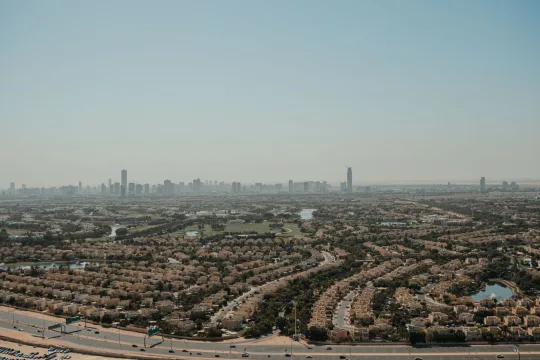
Apt for Sale in Dubai (2026)
A practical 2026 guide to buying an apartment in Dubai: choosing a flat type, freehold rules for foreigners, the fees you really pay, and how to price a unit without overpaying.

Off-Plan Dubai: 2026 Buyer Guide
A 2026 guide to buying off-plan in Dubai: what off-plan means, how project escrow and RERA safeguard your payments, Oqood registration, payment plans and fees, and the developer due diligence that matters most.
Dubai Apartments for Sale
The big-picture map of Dubai's apartment market: types from studio to penthouse, price ranges by community, fees, expat mortgages and the buying process.