Buying Process
Buy a Studio Apartment in Dubai
A step-by-step walkthrough from first viewing to title deed, with fees and timelines.
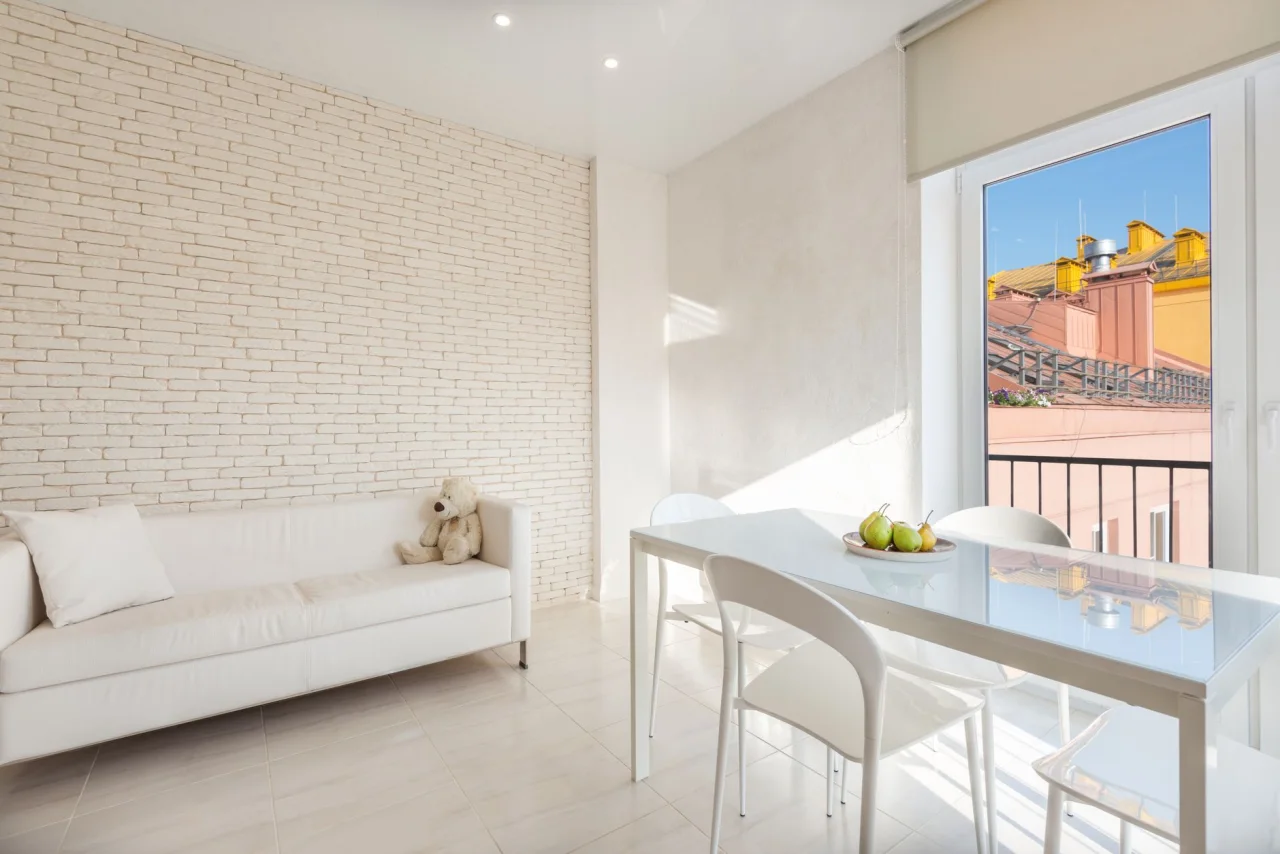
Deciding to buy a studio in Dubai is the easy part. The step that trips people up is the process: the paperwork, the deposits, the transfer at the trustee office and the fees that land at each stage. This 2026 walkthrough takes you from first viewing to title deed, so you know exactly what happens and when your money moves.
The short version
- The buying process runs from offer to a signed MOU, a deposit, a No Objection Certificate from the developer, and finally transfer at a DLD trustee office.
- You can pay cash or use a mortgage; expats can borrow up to 80% on a first home valued at AED 5 million or below, subject to Central Bank rules.
- Plan for the 4% DLD transfer fee, agency commission, trustee and registration fees on top of the price.
- Prices differ by community, tower and view, so confirm live figures with a RERA-registered agent and the DLD or Dubai REST portal before committing.
Step 1: Set your budget and financing route
Before you view anything, decide whether you are buying with cash or a mortgage, because it changes the timeline and the paperwork. A cash purchase is faster and simpler. A mortgage adds a valuation, a bank approval and a mortgage registration step. For a first mortgaged home, the Central Bank of the UAE caps expat loan-to-value at 80% for properties valued at AED 5 million or below, so you need roughly a 20% deposit plus fees. Some banks also apply a minimum loan amount, which matters for low-priced studios, so get a pre-approval in principle before you shop.
Add the transaction costs to your budget from the start: the 4% DLD fee, agency commission of around 2% plus VAT, and smaller trustee and registration fees. If you want a fuller picture of studio pricing and the best value communities, read our companion studio apartment for sale guide.
Step 2: Choose ready or off-plan
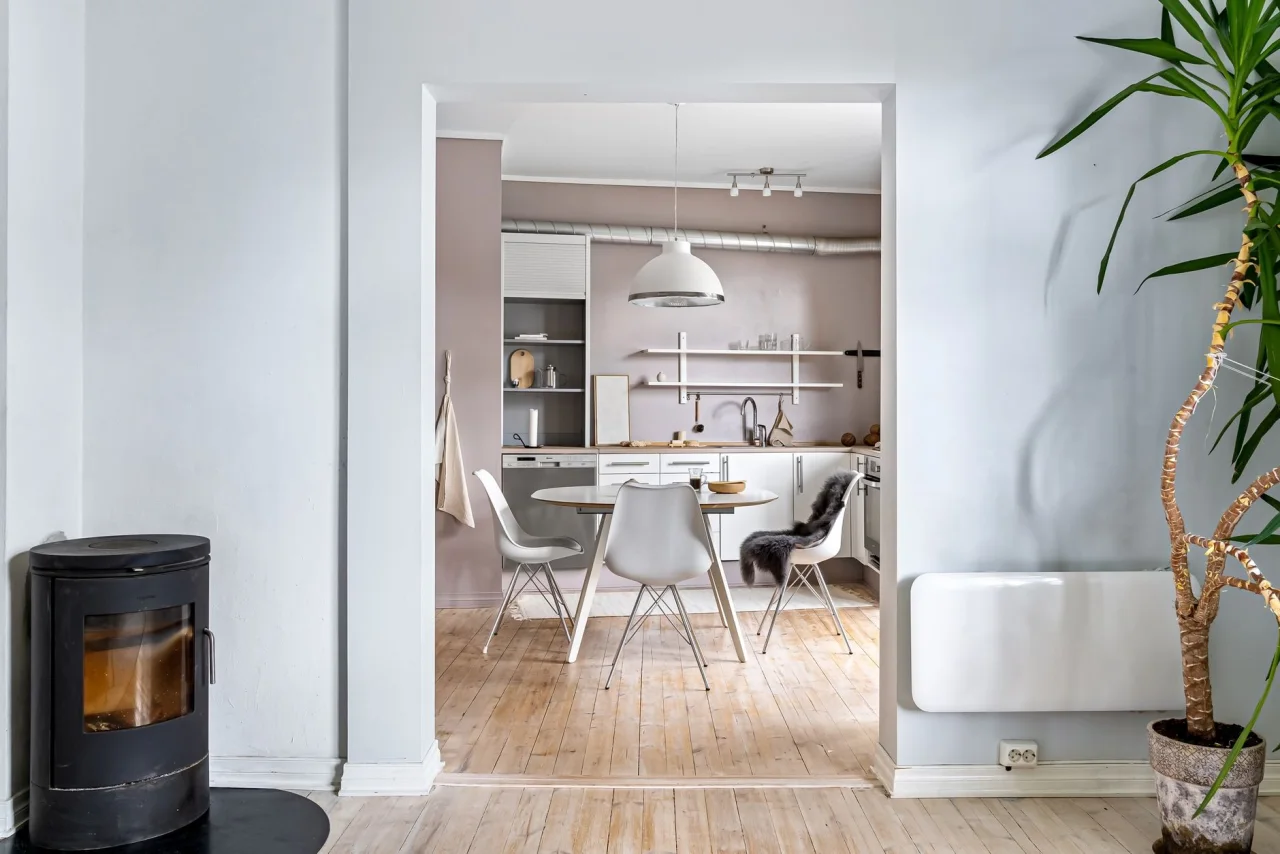
A ready studio is complete and can be transferred to you now, with rent starting immediately if you plan to let it. An off-plan studio is bought from the developer before or during construction, usually on a staged payment plan tied to build milestones, with handover at a future date. Off-plan can mean a lower entry price and easier payments, but it carries construction and delivery risk.
- Ready: transfer and income are immediate, and you can inspect the actual unit.
- Off-plan: lower up-front outlay spread over time, but you rely on the developer delivering on schedule.
If you lean off-plan, verify the project and developer are registered and that payments go into a DLD escrow account. Our off-plan Dubai guide covers the checks in detail.
Step 3: Shortlist the unit and area
With finances set, narrow down the community. For a studio, the trade-off is usually value versus central location. Investors often prioritise tenant demand and yield, while owner-occupiers weigh commute and lifestyle. Compare floor plans and built-up areas, not just prices, and check the tower's annual service charge because it varies a lot. Area guides for Jumeirah Village Circle and Business Bay are a good place to start your research.
Step 4: Make an offer and sign the MOU

When you agree a price, the buyer and seller sign a Memorandum of Understanding, known in Dubai as Form F, which sets out the terms. At this point the buyer typically pays a deposit, commonly around 10% of the price, usually held by the agent or trustee. This deposit shows commitment and is dealt with according to the MOU if either side pulls out, so read the cancellation terms carefully.
Tip: use registered professionals
Work only with a RERA-registered agent and, for a mortgage, a licensed bank or broker. You can verify a broker and the property records through the Dubai Land Department. Registration protects you if a dispute arises later.
Step 5: Get the NOC from the developer
For a resale, the seller applies to the developer for a No Objection Certificate confirming there are no outstanding service charges on the unit and that the developer has no objection to the transfer. The NOC is a prerequisite for the transfer and usually carries a fee. If service charges are owed, they must be cleared before the developer issues it.
Step 6: Transfer at the DLD trustee office
The final step happens at a registration trustee office appointed by the DLD. Buyer and seller (or their representatives) attend, the balance of the price is paid, usually by manager's cheque, and the fees are settled. The DLD then issues a new title deed in the buyer's name. If you used a mortgage, the bank registers its charge at the same time. You can learn more about the register and the transfer process on the official Dubai Land Department website.
- Pay the 4% DLD transfer fee.
- Pay the trustee office fee and title deed issuance fee.
- Settle the agency commission.
- Receive the new title deed, or the electronic equivalent.
Step 7: After the purchase
Once you own the studio, register the utilities in your name and, if you plan to let it, register the tenancy contract through Ejari so it is legally recognised. Owning qualifying Dubai property can also support certain residency routes; a purchase at or above the AED 2 million threshold is one of the pathways associated with the long-term Golden Visa, though rules and thresholds change, so confirm current eligibility on the official UAE Golden Visa page and see our Golden Visa requirements guide. If you are renting the studio out, the studio rental guide shows what tenants pay.
How long does it take?
A cash resale can complete in a few weeks once the NOC is issued. A mortgaged purchase takes longer because of valuation and bank approval, often several weeks more. Off-plan handover depends on the construction schedule and can be months or years away. Build the timeline into your plans, especially if you need the studio ready by a particular date.
This is general information, not personalised financial or legal advice. Fees, caps and processes can change, so verify the current position with a RERA-registered agent, your bank and the official DLD portals before you commit.
Frequently asked questions
What documents do I need to buy a studio in Dubai?
You typically need your passport, and for a mortgage, income and bank documents for approval. The transaction paperwork includes the signed MOU (Form F), the developer's No Objection Certificate for a resale, and the transfer forms completed at the trustee office.
How much deposit do I pay when buying?
On signing the MOU you usually pay a deposit of around 10% of the price, held by the agent or trustee. If you use a mortgage, you also need the down payment the Central Bank rules require, generally at least 20% for a first home valued at AED 5 million or below.
Do I need to be in Dubai to buy?
Not necessarily. Many buyers complete through a representative holding a power of attorney, and some steps can be handled remotely. Confirm the exact requirements with your agent and the trustee office, as procedures can change.
What is the NOC and who pays for it?
The No Objection Certificate is issued by the developer to confirm there are no unpaid service charges and no objection to the transfer. It is a prerequisite for a resale transfer, usually arranged by the seller and carrying a fee.
Can buying a studio help me get residency?
Property ownership supports certain UAE residency routes. A purchase at or above the AED 2 million threshold is one pathway linked to the long-term Golden Visa, but thresholds and rules change, so verify current eligibility on the official UAE Golden Visa page before relying on it.
More guides on Buying & Off-Plan
Have a question or a topic to suggest?
We read every message. Tell us what you would like to see next on the blog.
Get in touchYou may also like
Studio Apartment for Sale in Dubai
A studio is the cheapest way into Dubai property ownership. Compare price ranges by community, the fees on top, mortgage rules and yields before you buy.

Off-Plan Dubai: 2026 Buyer Guide
A 2026 guide to buying off-plan in Dubai: what off-plan means, how project escrow and RERA safeguard your payments, Oqood registration, payment plans and fees, and the developer due diligence that matters most.
Dubai Apartments for Sale
The big-picture map of Dubai's apartment market: types from studio to penthouse, price ranges by community, fees, expat mortgages and the buying process.