Abu Dhabi Compounds · UAE Real Estate (General)
Hills Compound Abu Dhabi
A gated villa compound in Al Maqtaa near the airport: homes, indicative rents, location and the checks to make before you rent or buy.
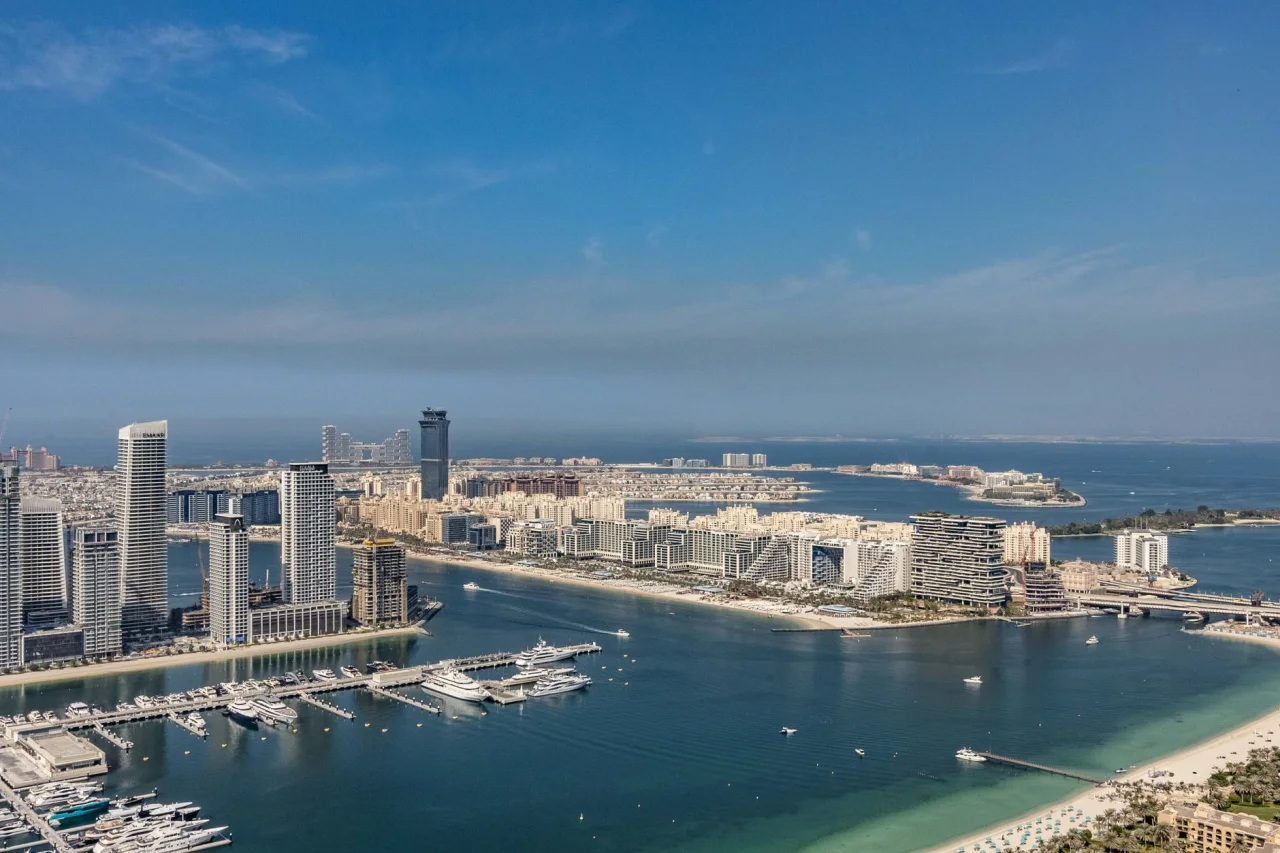
The Hills is a gated villa compound in the Al Maqtaa area of Abu Dhabi, popular with families for its low-rise, community feel and quick access to the airport and the mainland bridges. This guide explains what the compound is, what living there is actually like, the homes you will find, and the practical steps and checks for renting or buying, with clear pointers to the official Abu Dhabi channels you should verify against.
The short version
- The Hills is a family-oriented gated villa compound in Al Maqtaa, near Khalifa City and Abu Dhabi International Airport.
- It is a compound-style community: standalone and semi-detached villas behind a single managed entrance, with shared landscaping and amenities.
- Most residents rent; annual rents vary widely by villa size and condition, so treat any single figure as indicative and confirm current rates with a licensed agent.
- Abu Dhabi tenancy contracts are registered through Tawtheeq under the Abu Dhabi Real Estate Centre, and foreign freehold ownership is limited to designated investment zones, so verify status before you commit.
What and where the Hills compound is
The Hills is a purpose-built residential compound in Al Maqtaa, on the Abu Dhabi mainland side close to the bridges that link the island, the capital of the United Arab Emirates, to Khalifa City, Mohammed Bin Zayed City and the airport corridor. Like many Abu Dhabi compounds, it groups a set of villas behind a single controlled entrance, with landscaped streets, shared green space and on-site management. The result is a quieter, more contained environment than an open street of villas, which is a large part of the appeal for families and long-stay professionals.
Compounds like this occupy a distinct slice of the Abu Dhabi market. They sit between apartment living and a fully independent private villa, offering more space and privacy than a flat while keeping the security, maintenance and community amenities of a managed development. If you are weighing the Hills against other formats, it helps to read it alongside our wider guide to apartments in Abu Dhabi and our overview of how to buy a villa in Abu Dhabi.
What compound living means in Abu Dhabi
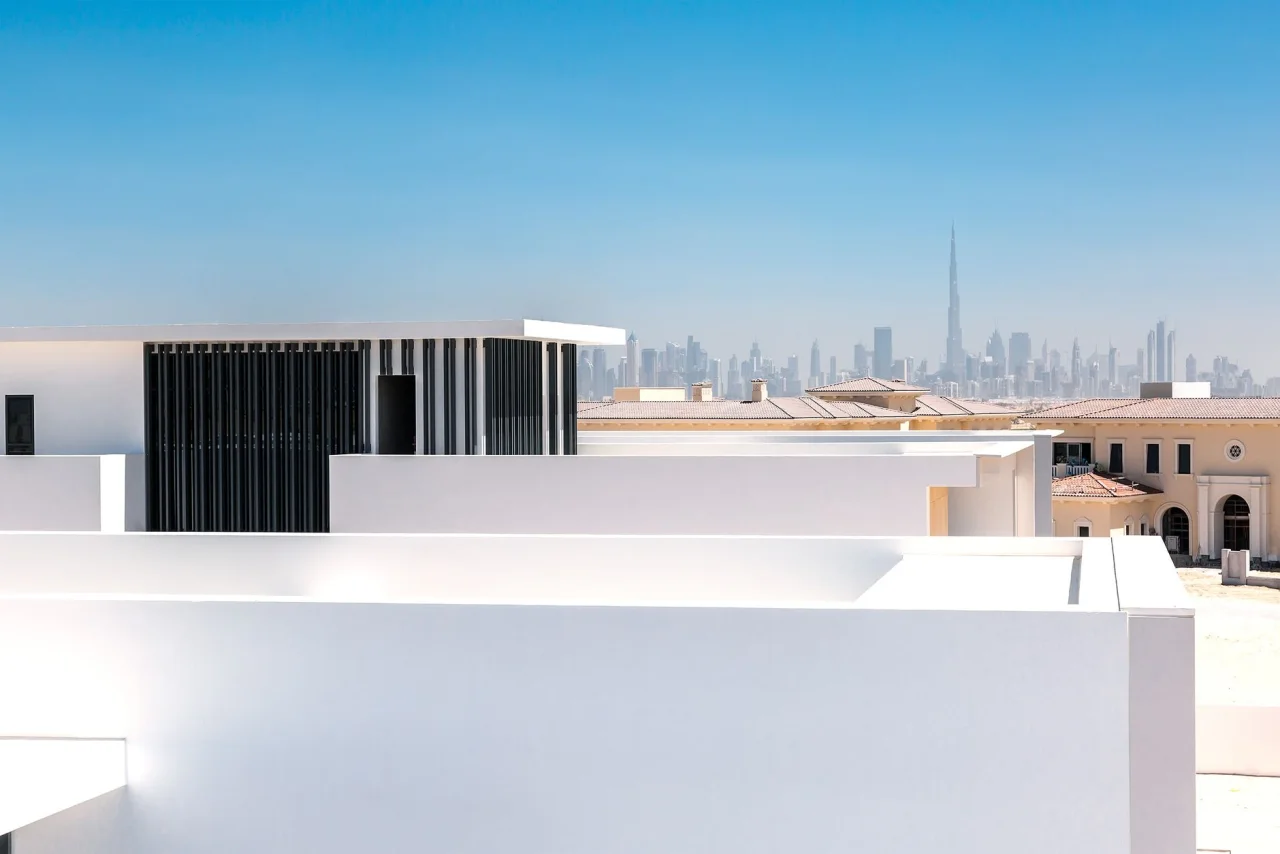
A compound in the UAE is not a single building but a cluster of homes managed as one community. Typical features include a gated or barrier entrance, security, communal gardens, and shared amenities that can range from a pool and gym to children's play areas and function rooms. Maintenance of the shared areas is handled centrally, which is one reason families favour the format.
The trade-off is that you live within a set of community rules and a fixed layout, and the shared amenities and upkeep are reflected in the rent or the service arrangement rather than being separately itemised the way strata service charges are in an apartment tower. When you view a compound villa, ask exactly what maintenance, cooling and amenity access are included, because these vary from one compound to another.
Homes and layouts you will find
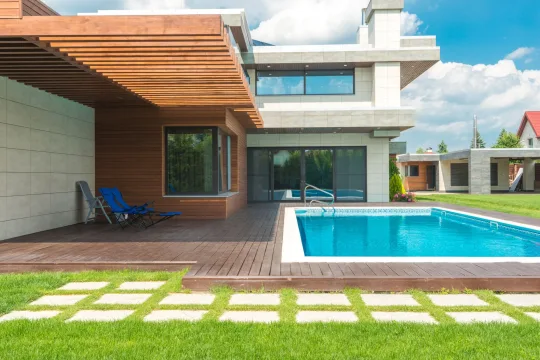
Compound villas in Al Maqtaa are generally family-sized, commonly three to five bedrooms, arranged as standalone or semi-detached units with a private garden or yard, covered parking and maid's or utility rooms. Interiors lean towards practical family layouts with generous living space rather than high-rise views.
Because a compound is built to a master plan, homes within it tend to share a consistent style and size band, so your choice is usually about which villa type and which position within the community rather than a wide spread of designs. If you need more or fewer bedrooms than a compound offers, comparing nearby standalone rentals is worthwhile; our guides to villas for rent in Abu Dhabi and houses for rent in Abu Dhabi cover the broader options and the tenant checks that apply everywhere.
Location and connectivity
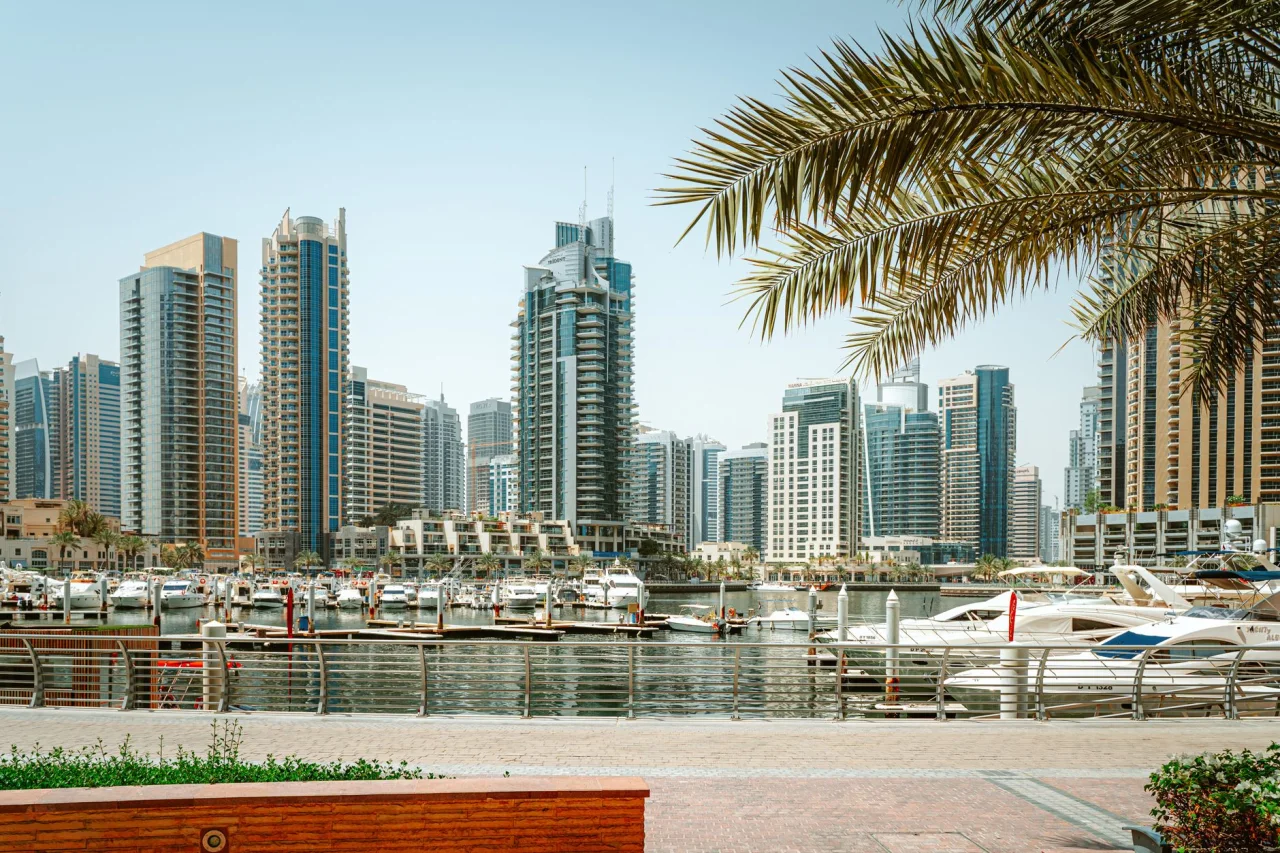
Al Maqtaa's main advantage is its position between the island and the mainland. From here, the Sheikh Zayed Grand Mosque, Khalifa City and Mohammed Bin Zayed City are close, and Abu Dhabi International Airport and the wider Abu Dhabi to Dubai road network are within a short drive. That makes the location convenient for people who commute across the emirate or travel frequently.
As with any compound, day-to-day errands depend on the immediate surroundings, so check the nearest supermarkets, clinics, nurseries and schools for your specific needs, and drive the commute at peak times before you sign. A location that looks central on a map can still involve bridge traffic at rush hour.
Renting in the Hills: costs and process
Most people in Abu Dhabi compounds rent. Annual rents for a compound villa depend on the number of bedrooms, the villa's condition and finish, what is included, and overall market conditions at the time. Larger, well-maintained compound villas in this part of Abu Dhabi typically command rents in the mid to high six figures in dirhams per year, but this is indicative only.
Note: treat rent figures as a starting point, not a quote.
Rents vary by villa size, condition, inclusions and the market at the time you look. Confirm current asking rents with a licensed Abu Dhabi agent and cross-check comparable listings before budgeting. This article is general information, not a valuation.
On process, Abu Dhabi tenancy contracts must be registered through Tawtheeq, the tenancy registration system run by the Abu Dhabi Real Estate Centre and accessed via the TAMM government platform. Registration is legally the landlord's responsibility, and a registered Tawtheeq contract is what you need to connect utilities and to rely on in any rental dispute. Confirm your contract is registered, understand the payment terms and any cheque schedule, and keep copies of everything.
Buying, freehold and foreign ownership
Ownership rules in Abu Dhabi differ from Dubai. Foreign nationals can own freehold property only in designated investment zones such as Yas Island, Saadiyat Island, Reem Island and other gazetted areas, while ownership elsewhere is generally structured through long leasehold or usufruct arrangements for non-GCC nationals. Whether a specific compound can be bought freehold by a foreign national depends on where it sits and how the units are titled.
Tip: verify ownership status before you fall in love with a villa.
Before committing to buy in any Abu Dhabi compound, confirm the exact ownership type and whether you are eligible with the Abu Dhabi Real Estate Centre and through the DARI system, and take independent legal advice. Do not rely on a verbal assurance about freehold status.
If you are buying with UAE residency in mind, note that qualifying property can support a long-term residence route set out on the official UAE government portal at u.ae; our guide to the Golden Visa requirements and process explains the property threshold and the caveats that go with it.
Who the Hills suits, and who it does not
The Hills tends to suit families and professionals who want villa space, a secure and managed community, and a location that balances the island and the mainland with easy airport access. It is less suited to people who want to be within walking distance of the Corniche, a metro-style transit link, or the nightlife and towers of the island's central districts, since compound living is deliberately quieter and more car-dependent.
As always, the honest answer depends on your household, budget and commute. Visit at different times of day, talk to current residents if you can, and compare against both apartments and other compounds before deciding.
Frequently asked questions
Where is the Hills compound in Abu Dhabi?
The Hills is a gated villa compound in the Al Maqtaa area of Abu Dhabi, on the mainland side near the bridges linking to Khalifa City, Mohammed Bin Zayed City and the airport corridor. It is positioned for quick access to Abu Dhabi International Airport and the Abu Dhabi to Dubai road.
What kind of homes does the compound have?
It is a compound of family-sized villas, commonly three to five bedrooms as standalone or semi-detached units with private gardens, covered parking and utility rooms, arranged behind a managed entrance with shared landscaping and amenities. Exact layouts and inclusions vary, so confirm with the agent.
How much does it cost to rent in the Hills?
Annual rents depend on villa size, condition, what is included and the market at the time. Larger, well-kept compound villas in this area typically sit in the mid to high six figures in dirhams per year, but this is indicative only. Confirm current asking rents with a licensed Abu Dhabi agent.
Can a foreign national buy a villa in the Hills?
Foreign freehold ownership in Abu Dhabi is limited to designated investment zones, and eligibility depends on where the compound sits and how the units are titled. Verify the exact ownership status and your eligibility with the Abu Dhabi Real Estate Centre and through the DARI system, and take independent legal advice before buying.
How are tenancy contracts registered in Abu Dhabi?
Abu Dhabi tenancy contracts are registered through Tawtheeq, the system operated by the Abu Dhabi Real Estate Centre and accessed via the TAMM platform. Registration is the landlord's legal responsibility, and a registered contract is required to connect utilities and to rely on in a rental dispute.
Is this article financial or legal advice?
No. This is general information about the Hills compound and Abu Dhabi property. Rents, ownership rules and fees change, so verify current details with a licensed agent, the Abu Dhabi Real Estate Centre and the DARI system, and consult a qualified advisor for your specific situation.
More guides on UAE Real Estate (General)
Have a question or a topic to suggest?
We read every message. Tell us what you would like to see next on the blog.
Get in touchYou may also like
Buy a Villa in Abu Dhabi (2026)
Where foreigners can buy freehold villas in Abu Dhabi, the communities to know, how the fees differ from Dubai, and how the purchase works, with prices given as ranges to verify.
Villa for Rent in Abu Dhabi (2026)
Realistic rent ranges, the best villa districts, how the cheque system works and the Tawtheeq step that makes your Abu Dhabi tenancy official.
House for Rent in Abu Dhabi (2026)
What a house rental in Abu Dhabi really involves: villa and townhouse types, best communities, the cheque system, Tawtheeq registration and the extra costs to budget for.