Buying in Dubai · Buying & Off-Plan
Properties for Sale in Dubai 2026
Freehold zones, property types, fees, mortgages, off-plan versus ready and due diligence for buyers in Dubai.
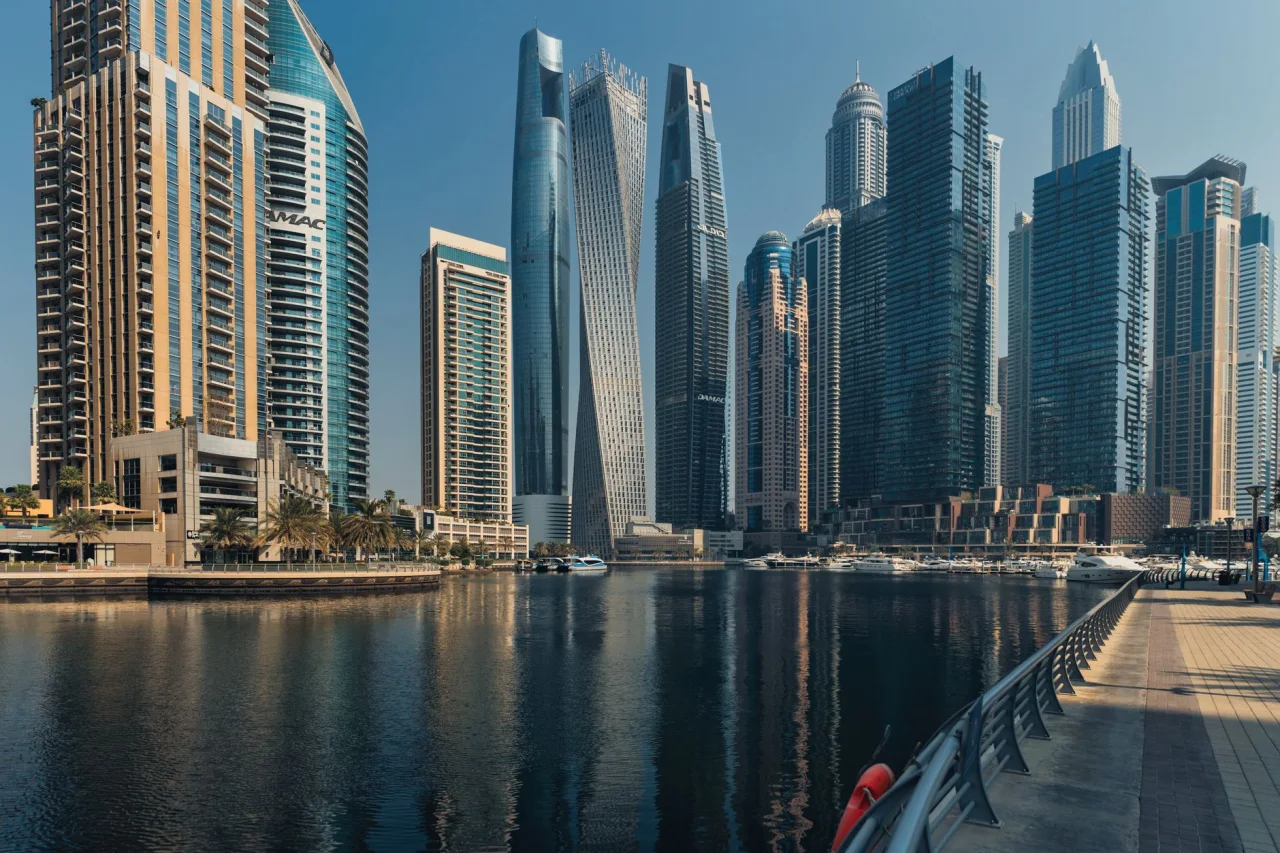
Dubai runs one of the most open property markets in the world, where buyers of any nationality can own freehold homes in designated areas. This guide is your starting map: where you can buy, how much to budget beyond the price, the buying process, and the checks that keep you safe. It is general information to help you plan, not personalised financial or legal advice.
The short version
- Foreigners can buy freehold property in Dubai's designated freehold areas, with a title deed registered at the Dubai Land Department.
- Budget beyond the price: a 4 percent DLD transfer fee, agency commission, trustee and title deed charges, plus service fees.
- You can buy ready or off-plan, and expat mortgages are capped by loan-to-value rules from the Central Bank.
- Prices vary hugely by area, type, and condition, so confirm live figures with a RERA-registered agent or on the DLD and Dubai REST portals.
Can foreigners buy property in Dubai?
Yes. Dubai opened its market to foreign ownership through freehold zones, allowing buyers of any nationality to own homes and land outright in designated areas, hold a registered title deed with the Dubai Land Department, and resell, lease, or pass the property on. This liberalisation is what powered the growth of landmark communities across the city, and it is why buyers from around the world hold Dubai homes today. Freehold ownership is registered per property, so what matters for you is confirming that the specific home sits within a freehold area before you proceed. The key distinction to understand is freehold versus leasehold: in freehold areas you own the asset in full, while leasehold arrangements grant rights for a long fixed term. Most of the well-known investor and expat districts are freehold.
Ownership can also support a long-term residency application. Under current rules, property worth at least AED 2 million may qualify an owner for the UAE Golden Visa, subject to changeable conditions, as covered in our Golden Visa requirements guide.
Types of property you can buy
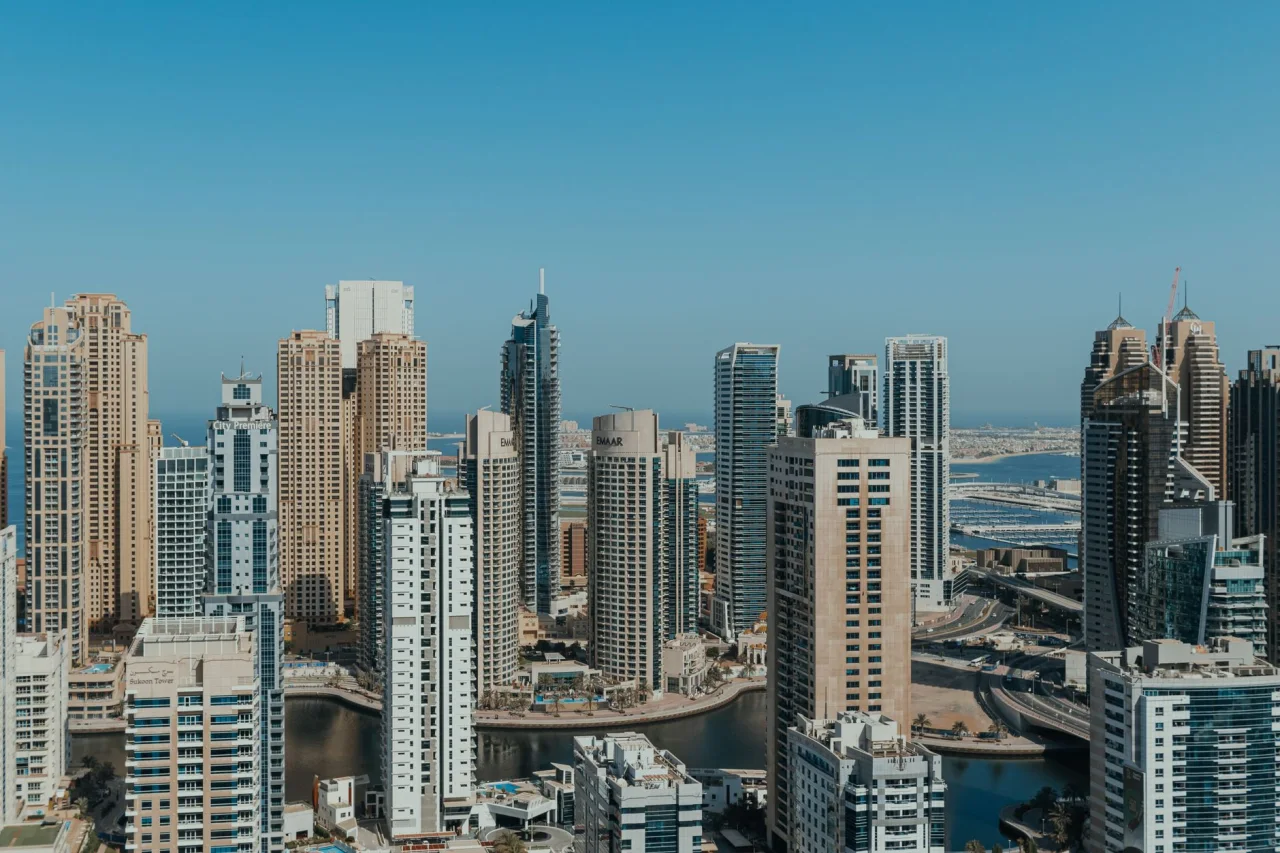
Dubai's market spans several formats, each suiting different budgets and goals:
- Apartments. The largest and most liquid segment, from studios to large penthouses. See our buy an apartment in Dubai guide and the Dubai apartments for sale guide.
- Villas and townhouses. Family homes in gated communities. Our buy a villa in Dubai guide covers the main communities.
- Off-plan. Homes bought before or during construction on a payment plan. Our off-plan Dubai guide explains the trade-offs.
A handful of large developers, including Emaar, shaped much of the freehold landscape. If you want to understand the builder behind many flagship communities, our Emaar track record guide is a good reference.
What property costs, and the drivers
Prices in Dubai range from accessible studios to ultra-prime beachfront mansions, so a single figure is meaningless. What decides the price of a specific home is a familiar set of factors:
- Location and community prestige, with waterfront and central districts commanding a premium.
- Property type, size, and layout.
- View, floor level, and orientation.
- Ready versus off-plan, and the developer's delivery record.
- Age, condition, and quality of fit-out.
Tip: The Dubai Land Department publishes recorded transaction data through its portals. Compare recent sold prices for similar homes in the same building or community rather than trusting asking prices alone. Figures vary by area, tower, view, and market conditions, so confirm current pricing with a RERA-registered agent or on the DLD and Dubai REST portals.
The fees beyond the price
The purchase price is only part of the total. As of 2026, and subject to change, budget for:
- DLD transfer fee. The Dubai Land Department charges 4 percent of the purchase price, usually paid by the buyer in practice.
- Agency commission. Commonly around 2 percent of the price plus VAT.
- Trustee and title deed fees. Registration trustee charges plus a title deed issuance fee, a few thousand dirhams plus VAT.
- Mortgage costs. Bank arrangement, valuation, and DLD mortgage registration if you finance.
- Ongoing service charges. Annual community and building fees you pay as an owner.
Confirm exact current amounts before committing, because published fees are revised from time to time. Service charges in particular vary widely between communities and buildings, from modest fees in simple developments to substantial annual bills in amenity-rich towers, so ask for the current rate per square foot on the specific home and factor it into your long-term budget alongside cooling and utilities.
Financing with a mortgage
The UAE Central Bank sets maximum loan-to-value limits. For expatriate buyers, a first property valued under AED 5 million can be financed up to 80 percent of value, so a 20 percent deposit, while homes above AED 5 million are capped at 70 percent. A second or subsequent property is limited to 60 percent regardless of value. Lenders also assess your income, existing commitments, and run their own valuation, which can differ from the asking price. Secure a mortgage pre-approval before you shop so you know your genuine budget. These caps are current as of 2026 and can change, so verify with your bank.
The buying process, step by step
- Budget and pre-approval. Fix your ceiling and, if borrowing, get pre-approved.
- Search and negotiate. Shortlist homes and agree price and terms through a RERA-registered agent.
- Sign the MOU. Both parties sign a Memorandum of Understanding, commonly Form F, and the buyer pays a deposit, typically around 10 percent.
- Obtain the NOC. The developer confirms service charges are clear and issues a No Objection Certificate.
- Transfer. Buyer and seller attend a registration trustee, pay the DLD fees, and the title deed is issued in the buyer's name.
For off-plan, payments follow a developer plan tied to construction, and the sale is registered through the DLD Oqood system until handover.
Choosing the right community
Dubai is a city of master communities, and the neighbourhood matters as much as the individual home. Think through what you actually need day to day:
- Commute and connectivity. Proximity to your work, schools, and the metro or main highways shapes daily life and resale demand.
- Community type. High-rise waterfront districts, family villa communities, and mixed-use downtown areas each offer a different lifestyle.
- Amenities and service charges. More facilities usually mean higher annual service charges, so weigh the lifestyle against the running cost.
- Stage of development. Newer communities may still be building out, which affects noise, access, and how quickly amenities open.
Visit at different times of day, and if you are unsure about an area, renting there first is a low-risk way to test it before you buy.
Off-plan versus ready
The two main routes into the market carry different risks. Ready property lets you see and use the home immediately and negotiate on real condition. Off-plan property is bought during construction on a developer payment plan, often with a lower entry deposit and staged payments tied to build milestones, registered through the DLD Oqood system until handover. Off-plan can offer attractive pricing and plans, but you take on completion and delivery risk, so buy only from registered developers with an escrow account and a solid delivery record. Read the sales and purchase agreement carefully and understand your protections if the project is delayed.
Due diligence before you commit
Protect yourself with basic checks: verify the title deed and the seller's ownership through the DLD, confirm the property is in a freehold area if you are a foreign buyer, check for any mortgage or charge on the home, confirm service charges are settled, and for off-plan verify the developer's registration and escrow account. For higher-value or complex deals, engage a licensed conveyancer or legal advisor. This article is general information and not a substitute for tailored professional advice.
Frequently asked questions
Can foreigners buy property in Dubai?
Yes. Buyers of any nationality can own freehold property in Dubai's designated freehold areas, with a title deed registered at the Dubai Land Department, and can resell, lease, or pass it on.
What is the difference between freehold and leasehold?
Freehold means you own the property and land outright with no time limit, while leasehold grants ownership rights for a long fixed term. Most of Dubai's well-known expat and investor communities are freehold.
What fees do I pay when buying?
Budget for the 4 percent Dubai Land Department transfer fee, agency commission of around 2 percent plus VAT, trustee and title deed charges, mortgage costs if financing, and ongoing service charges. Confirm current amounts before committing, as fees can change.
How much deposit do I need for a mortgage?
For expatriates the Central Bank caps a first mortgage at 80 percent of value under AED 5 million, meaning a 20 percent deposit, and 70 percent above that. A second property is capped at 60 percent. Get pre-approved before you shop.
Does buying property give me UAE residency?
Property worth at least AED 2 million may support a UAE Golden Visa application under current rules, subject to conditions that change over time. Verify eligibility on the official portal rather than assuming it.
More guides on Buying & Off-Plan
Have a question or a topic to suggest?
We read every message. Tell us what you would like to see next on the blog.
Get in touchYou may also like

Buy Property in Dubai: 2026 Guide
A 2026 buyer's guide to purchasing property in Dubai: who can buy freehold, the fees beyond the price, financing, the step-by-step process and the pitfalls to avoid.

Buy Apartment in Dubai: 2026 Guide
A 2026 buyer's guide to buying an apartment in Dubai: where expats can own freehold, how prices are set, the fees to budget for including the 4% DLD transfer fee, off-plan versus ready, and the step-by-step process.

Buy Villa in Dubai: 2026 Guide
A 2026 guide to buying a villa or townhouse in Dubai: freehold communities, villa and townhouse choices, fees, financing, the buying process and the pitfalls to avoid.