Buying in Abu Dhabi
Abu Dhabi Apartments for Sale 2026
Foreign freehold zones, fees, mortgages and off-plan versus ready for apartment buyers in the UAE capital.
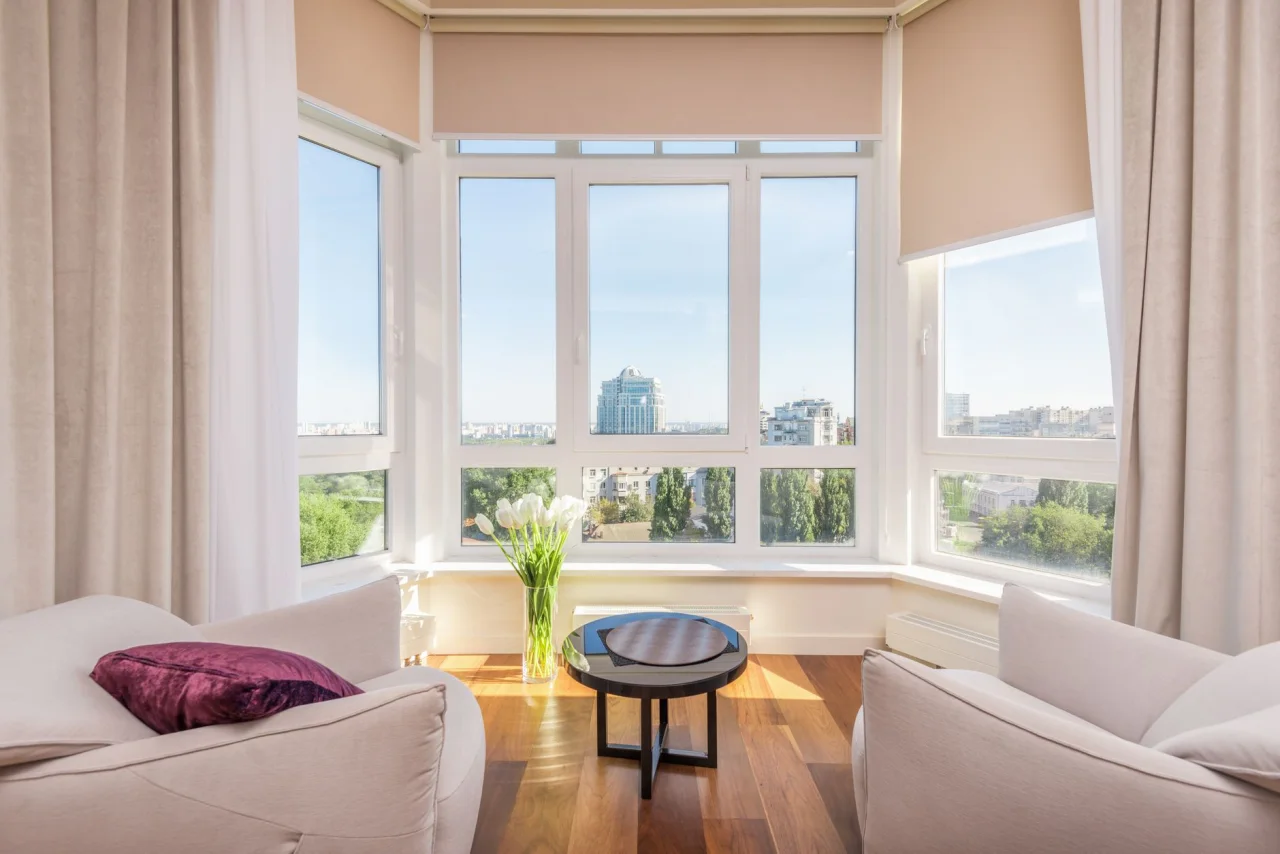
Abu Dhabi's apartment market is often quieter and more value-driven than Dubai's, with foreign freehold ownership now firmly established in a set of investment zones. This guide explains where expats can buy, how the numbers work, and the fees and rules unique to the capital. It is general information to help you prepare, not personalised financial or legal advice.
The short version
- Since Law No. 13 of 2019, foreigners can own freehold apartments in Abu Dhabi's designated investment zones.
- Key zones include Al Reem Island, Yas Island, Saadiyat Island, Al Raha Beach, Al Maryah Island, and Al Reef.
- Abu Dhabi's property transfer fee is lower than Dubai's, and the market often offers more space for the money.
- Prices vary by zone, tower, and view, so confirm live figures with a RERA-registered agent or the Abu Dhabi authorities and official portals.
Can foreigners buy apartments in Abu Dhabi?
Yes, within the investment zones. Abu Dhabi Law No. 13 of 2019 granted foreigners the right to own real estate on a freehold basis in designated investment areas, a significant step up from the earlier framework that limited expats to long leases and usufruct rights. In practice this means you can buy an apartment, hold a registered title deed, and resell or lease it, provided the property sits inside an approved zone. That single condition, whether the tower is in a designated investment area, is the first thing to verify, because it determines whether freehold ownership is even available to you as a foreign buyer. Outside those zones, ownership options for non-GCC nationals remain more restricted, so the zone the tower sits in is the first thing to confirm.
The most popular investment areas where foreigners can buy freehold include Al Reem Island, Yas Island, Saadiyat Island, Al Raha Beach, Al Reef, Al Maryah Island, Al Falah City, Masdar City, and others. For a feel of daily life in one of the most active apartment districts, see our Reem Island area guide and the Al Muneera at Al Raha Beach guide.
Where to buy: the main apartment zones
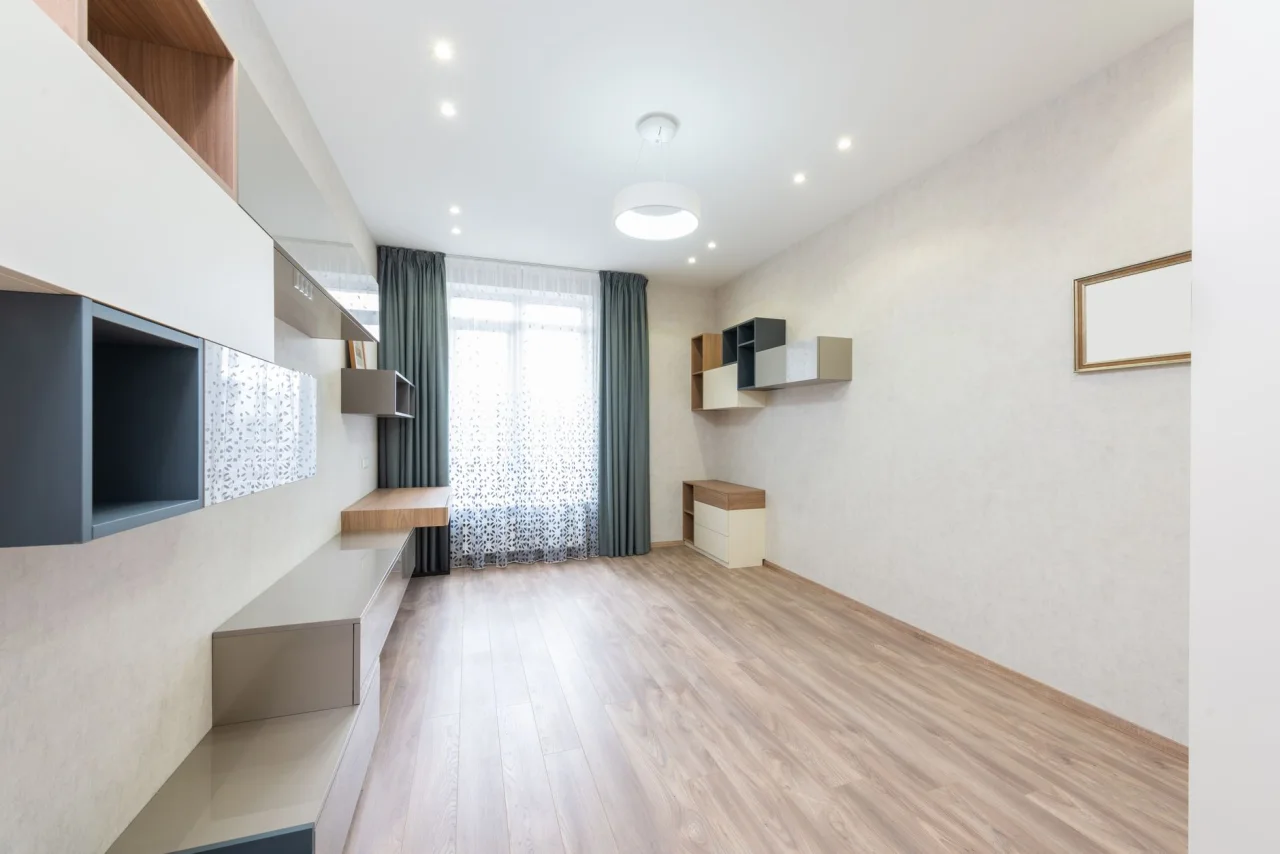
Each investment zone has a distinct character, and matching it to your goals matters more than chasing a headline price:
- Al Reem Island. A dense, high-rise waterfront district close to the city centre, popular for apartments and rental demand.
- Yas Island. Leisure-led, home to major attractions, with newer residential communities and a resort feel.
- Saadiyat Island. The cultural district, more premium, with beaches and museums. Our Saadiyat Island guide covers it in depth.
- Al Raha Beach and Al Maryah Island. Waterfront and business-district living respectively, both with strong apartment stock.
A large share of Abu Dhabi's freehold apartments were delivered by Aldar, the emirate's largest developer. If you are researching the builder behind many of these communities, our Aldar track record guide is a useful companion.
What apartments cost, and the drivers
Abu Dhabi apartments span a broad range, and the capital often gives more floor area per dirham than comparable Dubai addresses. Rather than quote figures that date quickly, focus on what sets the price of any given unit:
- Zone and building quality, with Saadiyat and prime waterfront towers at the top end.
- Size and layout, from studios to large family apartments.
- View and floor level, with sea and skyline views commanding a premium.
- Ready versus off-plan, and the developer's reputation for delivery.
Tip: Compare recorded sale prices for similar units in the same tower rather than relying on asking prices alone. Figures vary by zone, tower, view, and market conditions, so confirm current pricing with a RERA-registered agent or on the official Abu Dhabi real estate portals before you offer.
Fees and costs in the capital
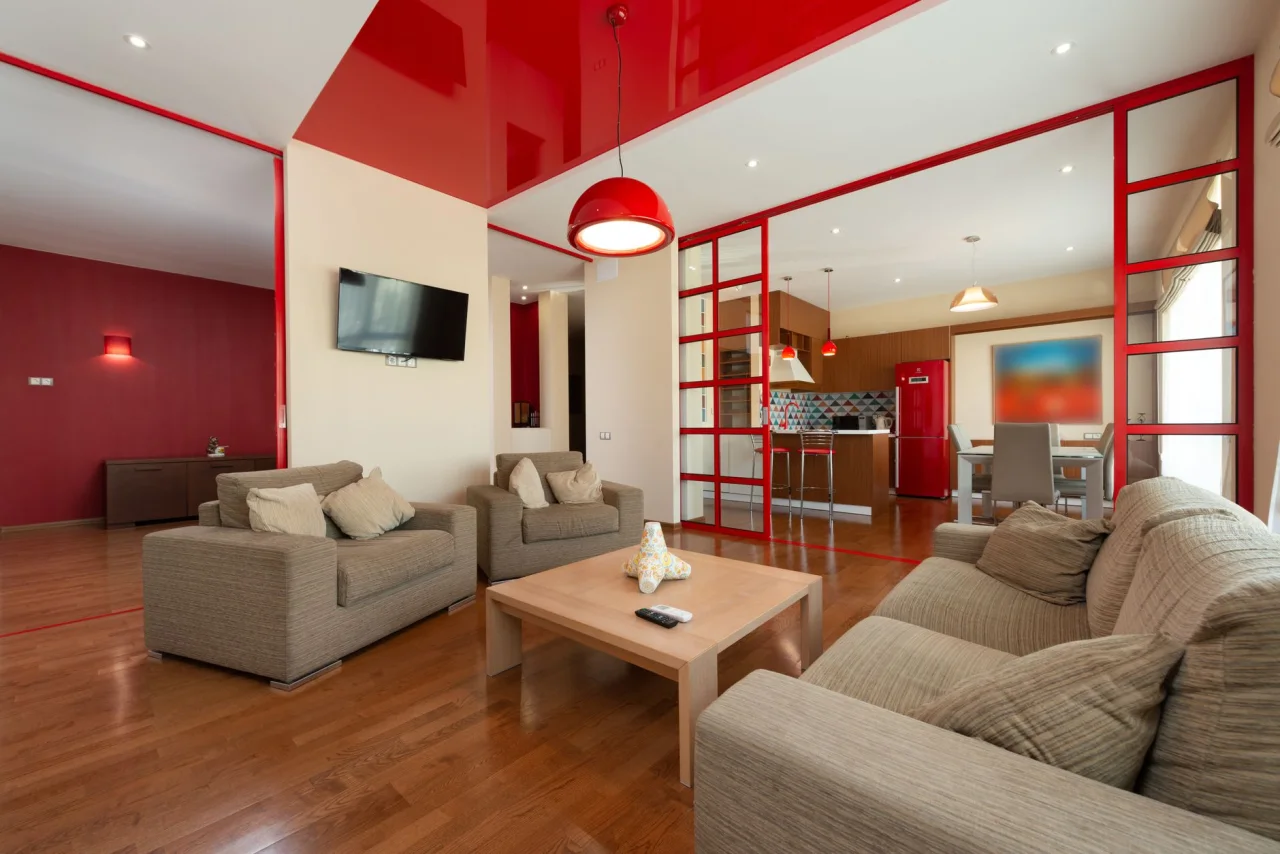
Abu Dhabi's transaction costs differ from Dubai's. As of 2026, and subject to change, budget for:
- Property transfer fee. Abu Dhabi charges a lower transfer fee than Dubai's 4 percent, commonly cited at around 2 percent, so confirm the current rate and how it is split before you sign.
- Agency commission. Typically around 2 percent of the price plus VAT.
- Registration and title fees. Charges to register the transfer and issue the title deed.
- Mortgage costs. Arrangement, valuation, and registration fees if you finance.
Because rates and the exact split between buyer and seller are periodically revised, verify the live figures with the Abu Dhabi authorities or a licensed conveyancer rather than relying on old quotes.
Financing your purchase
UAE Central Bank mortgage rules apply across the Emirates. For expatriate buyers, a first property valued under AED 5 million can be financed up to 80 percent of value, meaning a 20 percent deposit, while homes above AED 5 million are capped at 70 percent. A second or subsequent property is limited to 60 percent. Since many Abu Dhabi apartments sit below the AED 5 million threshold, buyers may access the higher 80 percent limit, but lenders still assess income, existing debt, and their own valuation of the unit. Get a mortgage pre-approval before shortlisting. These caps are current as of 2026 and can change, so confirm with your bank.
Residency and the bigger picture
Apartment ownership can support a long-term residency application. Under current rules, property valued at AED 2 million or more may qualify an owner for the UAE Golden Visa, subject to conditions that are updated over time. Read our Golden Visa requirements guide before relying on it. If you are weighing buying against renting first, our Abu Dhabi apartment rental guide helps you test a neighbourhood before committing, and the focused buy an apartment in Abu Dhabi guide stays on the purchase path.
Off-plan versus ready in the capital
Abu Dhabi has an active off-plan pipeline alongside its ready stock, and the choice shapes both your risk and your cash flow:
- Ready apartments. You see the exact unit, view, and building quality, can move in or lease immediately, and negotiate on the real condition. This suits buyers who want certainty.
- Off-plan apartments. Bought during construction on a staged payment plan, often with a lower entry deposit. You take on completion and delivery risk in exchange for the plan and any launch pricing.
If you buy off-plan, developer payments in Abu Dhabi are protected through escrow arrangements, and you should confirm the project and developer are properly registered before paying anything. Check the developer's track record on previous handovers, read the sales and purchase agreement carefully, and understand what happens to your payments if the project is delayed. A licensed conveyancer can review the contract for you.
Rental income and holding costs
Many capital buyers let their apartments, and Abu Dhabi has generally offered competitive rental yields relative to purchase prices, though figures vary by zone and unit. Tenancy contracts are registered with the relevant Abu Dhabi authority, and rent increases are governed by the emirate's rules rather than Dubai's. As an owner you also pay annual service charges for the building and community, plus cooling and utilities, so model these holding costs against expected rent before you buy. Confirm current service charges for the specific tower, because they differ widely between buildings and change over time.
Due diligence checklist
- Confirm the tower sits inside a designated investment zone open to foreign freehold ownership.
- Verify the title deed and that the seller is the registered owner.
- Check for any mortgage or charge that must be cleared before transfer.
- Confirm outstanding service charges and community fees are settled.
- For off-plan, check the developer's registration, escrow account, and delivery record.
Property is a significant legal and financial decision, so use a RERA-registered agent and a licensed advisor for anything complex. This article is general information, not tailored professional advice.
Frequently asked questions
Can foreigners buy apartments in Abu Dhabi?
Yes, within designated investment zones. Abu Dhabi Law No. 13 of 2019 lets foreigners own freehold property in approved areas such as Al Reem Island, Yas Island, Saadiyat Island, Al Raha Beach, and Al Maryah Island, with a registered title deed.
Which areas allow foreign freehold ownership?
Popular investment zones include Al Reem Island, Yas Island, Saadiyat Island, Al Raha Beach, Al Reef, Al Maryah Island, Al Falah City, and Masdar City. Always confirm the specific tower sits inside an approved zone before you buy.
How do Abu Dhabi buying costs compare with Dubai?
Abu Dhabi's property transfer fee is lower than Dubai's 4 percent, commonly cited at around 2 percent, plus agency commission of roughly 2 percent plus VAT and registration charges. Confirm current rates and the buyer and seller split before signing, as they can change.
Can I get a mortgage as an expat?
Yes. For expatriates the Central Bank caps a first mortgage at 80 percent of value under AED 5 million and 70 percent above it, with 60 percent on a second property. Many Abu Dhabi apartments fall below AED 5 million, so the higher limit may apply. Get pre-approved first.
Does buying an apartment give me residency?
Property worth at least AED 2 million may support a UAE Golden Visa application under current rules, subject to conditions that change over time. Verify eligibility on the official portal rather than assuming it.
More guides on Buying & Off-Plan
Have a question or a topic to suggest?
We read every message. Tell us what you would like to see next on the blog.
Get in touchYou may also like
Living in Reem Island Abu Dhabi
An honest area guide to Al Reem Island Abu Dhabi: its districts, apartment market, indicative prices, schools, Reem Mall and amenities, the ADGM legal note, and who it suits.

Buy Apartment Abu Dhabi: 2026 Guide
A 2026 guide to buying an apartment in Abu Dhabi: the investment zones open to foreign buyers, the fees, financing, the step-by-step process and the mistakes to avoid.

Living in Saadiyat Island (2026)
Saadiyat is Abu Dhabi's cultural and beachfront island, pairing the Louvre Abu Dhabi and museums with protected beaches and premium homes. Here is what living there is really like.