Renting in Abu Dhabi
Apartments for Rent in Abu Dhabi (2026)
Best areas, price ranges, Tawtheeq, the 2026 rent cap and tenant tips for renting in Abu Dhabi.
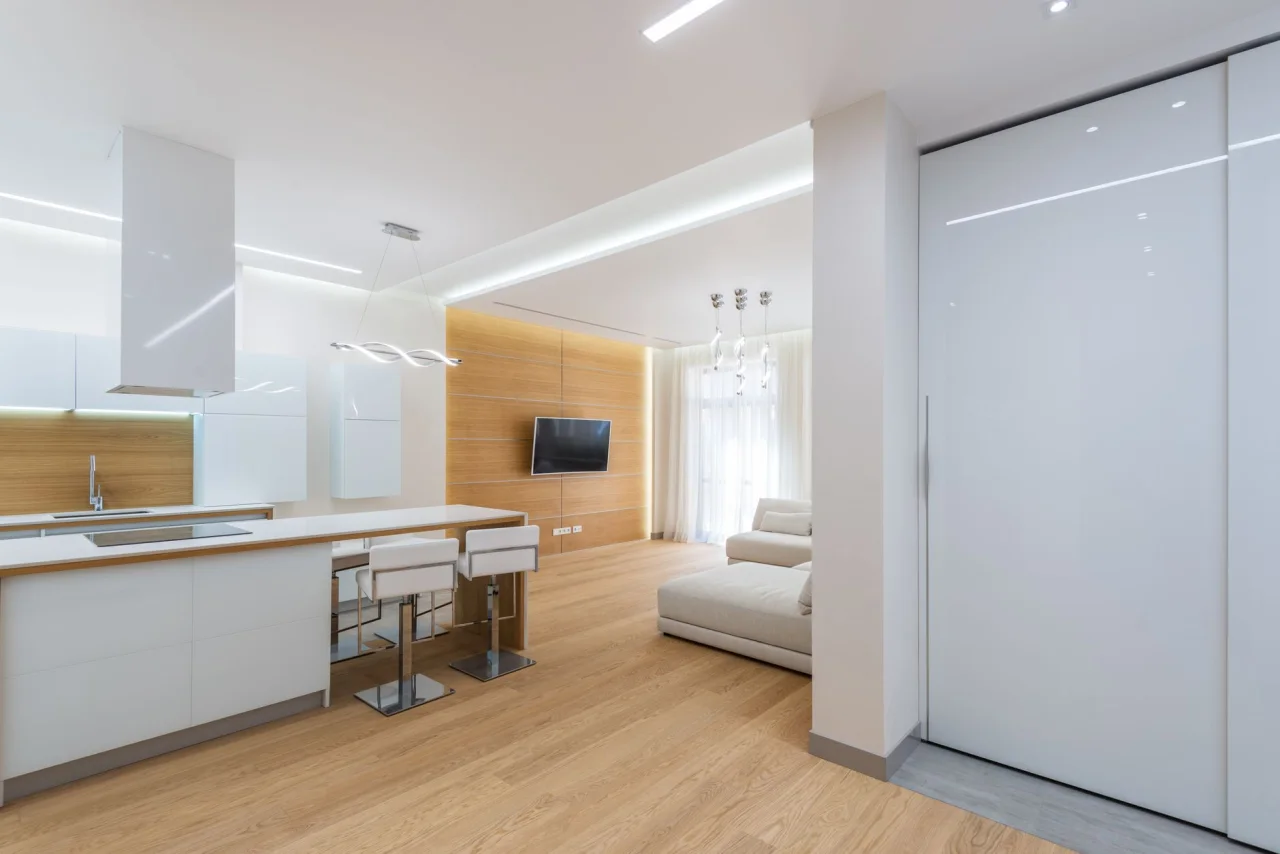
Renting an apartment in Abu Dhabi in 2026 means understanding a market with its own rules: cheque-based payments, mandatory Tawtheeq contract registration, and a temporary cap that has frozen renewal increases. This guide covers the best areas to look, how rents are structured, the process step by step, and the tenant tips that save money and stress.
The short version
- Every tenancy in Abu Dhabi must be registered through Tawtheeq, the emirate's official contract system, to be legally valid and to connect utilities.
- As of mid-2026, ADREC set the annual rent increase on renewals to 0 percent as a temporary measure, referencing the last registered Tawtheeq rate.
- Rent is usually paid in one to a few cheques per year, and fewer cheques often unlock a lower price.
- Rents vary widely by area, building, size and view, so confirm current figures with a licensed agent rather than any single quoted rate.
How renting works in Abu Dhabi
Abu Dhabi's rental market is regulated by the Abu Dhabi Real Estate Centre (ADREC). Every residential tenancy must be registered on Tawtheeq, ADREC's official contract registration system. Without a registered Tawtheeq contract, a tenant cannot connect utilities or rely on the agreement in a dispute, and a landlord cannot enforce rent collection or eviction through legal channels. Registration is therefore not optional paperwork, it is what makes your tenancy real in the eyes of the law.
Rent is traditionally paid by post-dated cheques covering the year, often split into one, two or four instalments. The number of cheques is a live negotiating point: a single cheque usually secures a better price, while more cheques ease your cash flow at a slightly higher rent.
The 2026 rent cap you should know about
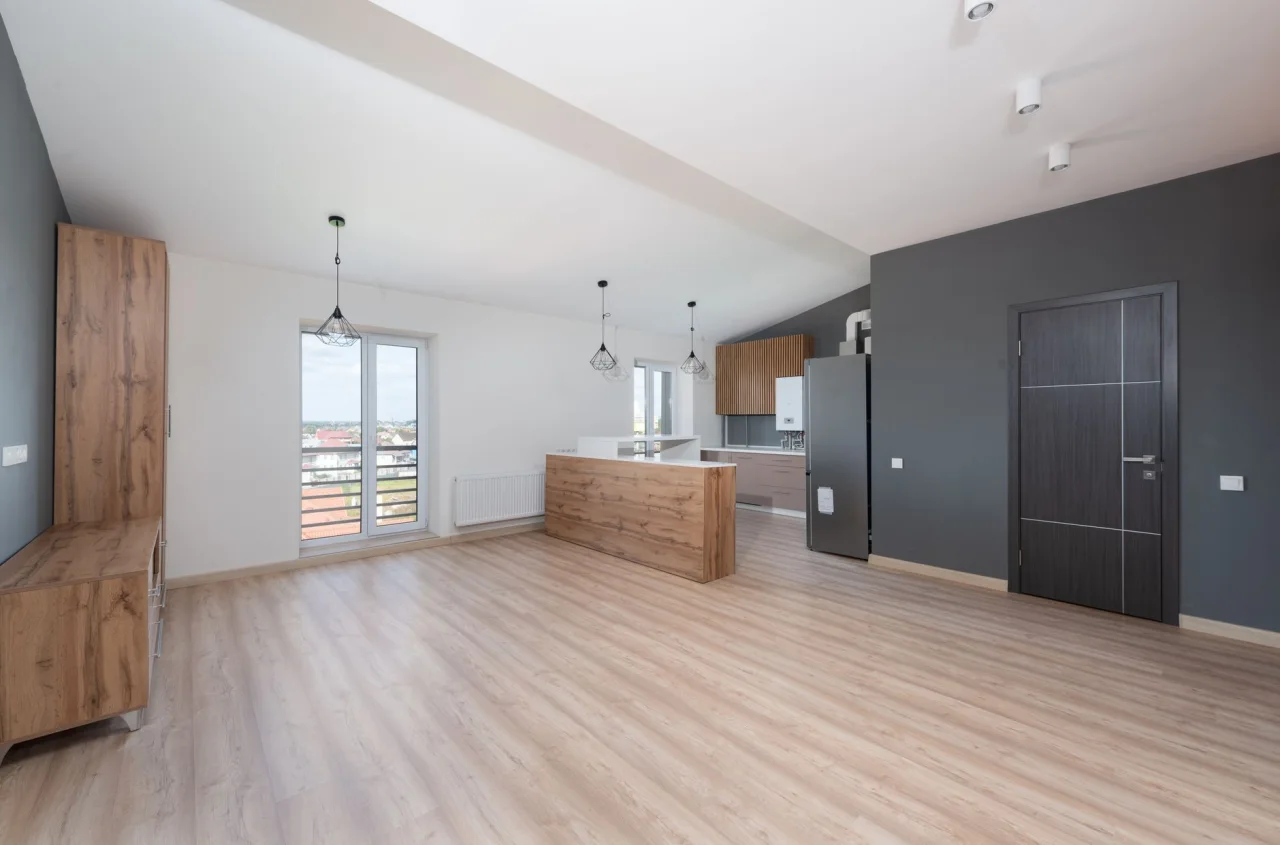
In 2026, ADREC introduced a temporary measure setting the annual rent increase on renewals to 0 percent, down from the previous cap. Under this rule, lease renewals and new agreements reference the rate from the property's last registered Tawtheeq contract, and the system is designed to flag or reject attempts to register an unlawful increase. If a landlord demands a premium or an off-contract top-up, tenants can contest it through ADREC's dispute channels.
Because this is described as a temporary measure that can change, verify the current position before you sign. You can confirm the latest rule directly from the Abu Dhabi Real Estate Centre.
Note: This is general information, not legal advice, and rental rules can change. For a specific dispute or contract question, confirm the current position with ADREC or a licensed agent, and keep every payment and agreement documented.
Best areas to rent an apartment
Abu Dhabi offers a spread of neighbourhoods, from island high-rises to quieter suburban clusters. The right one depends on your commute, budget and lifestyle.
- Al Reem Island: a high-density, mixed-use island of modern towers close to the city, popular with professionals and families. It is one of the most established apartment districts for tenants.
- Al Raha Beach: waterfront living with a calmer, community feel, convenient for the airport and Yas Island.
- Saadiyat Island: a premium, culture-led district near the museums and beaches, at the higher end of the market.
- Corniche and city centre: central, walkable and close to the seafront, with a mix of older and newer buildings.
- Khalifa City and the mainland suburbs: more space for the money, suited to families who do not need to be downtown.
If you want a deeper look at island living, our Al Reem Island area guide covers amenities and lifestyle, and the Saadiyat Island guide does the same for the cultural district.
How much do apartments cost to rent?

There is no single Abu Dhabi rent figure. What you pay depends on the area, the building's age and facilities, the size and layout, the floor and view, and whether the unit is furnished. As a broad hierarchy, studios and one-bedroom apartments in mainland suburbs sit at the accessible end, mid-market one and two-bedroom units on Al Reem Island and Al Raha Beach occupy the middle, and larger or sea-view apartments in premium districts such as Saadiyat reach the top.
Because rents vary by tower, view and market conditions, confirm current figures with a licensed agent or on established listing portals rather than relying on any single quoted rate. If your budget is tight, a studio apartment in Abu Dhabi is usually the most affordable entry point, while families comparing space may prefer our villa rental guide.
The renting process, step by step
Renting in Abu Dhabi follows a clear order once you have chosen an apartment:
- Set your budget including the security deposit, agency fee and any utility connection costs, not just the rent.
- Shortlist areas and buildings that match your commute and lifestyle, and view several before deciding.
- Negotiate the rent, the number of cheques and any maintenance responsibilities.
- Sign the tenancy contract and have it registered on Tawtheeq.
- Pay the deposit and cheques, typically a refundable security deposit plus your rent instalments.
- Connect utilities through the relevant provider using your registered contract.
Tip: Always insist on a Tawtheeq-registered contract and get a receipt for every payment, including the deposit. Photograph the apartment's condition at move-in so there is no dispute over the deposit when you leave.
Tenant tips to rent smarter
A few habits make renting cheaper and less stressful:
- Offer fewer cheques if your finances allow, as landlords often discount for a single cheque.
- Check what is included: some buildings bundle chiller or maintenance costs, others bill them separately, which changes the true cost.
- Read the exit terms before signing, including notice periods and any penalty for breaking the lease early.
- Budget for the deposit and agency fee up front, as these are due at signing on top of your first cheque.
- Know your rights under the current rent cap and the dispute process if a landlord tries to overcharge on renewal.
If you are weighing renting against buying, note that owning gives you an asset and, for a qualifying property, a possible residency route, while renting keeps you flexible. Our guide to Abu Dhabi apartments for sale lays out the ownership side for comparison.
Furnished or unfurnished, and utilities
Abu Dhabi apartments come both furnished and unfurnished, and the choice affects both cost and convenience. A furnished flat carries a higher rent but lets you move in with nothing, which suits shorter stays and new arrivals. An unfurnished flat is cheaper over a longer tenancy and lets you set up the home your way, but you carry the upfront cost of furniture and appliances.
Utilities are a separate line to plan for. Electricity and water are supplied through the local provider and set up in your name once your tenancy is registered, usually with a refundable deposit. Cooling is a big variable: some buildings include district cooling (chiller) in the rent, while others bill it separately by consumption, which can add a meaningful amount in the hot months. Always ask whether chiller and maintenance are included before you compare two apartments on rent alone, because the headline figure can be misleading. It is worth requesting a rough estimate of a typical month's cooling bill for the specific building, since a well-insulated newer tower can cost noticeably less to keep cool than an older one. Ask, too, whether the landlord covers routine maintenance such as air-conditioning servicing, as this varies from one contract to the next.
Frequently asked questions
Do I have to register my tenancy in Abu Dhabi?
Yes. Every residential tenancy in Abu Dhabi must be registered through Tawtheeq, ADREC's official contract system, to be legally valid. Without a registered Tawtheeq contract you cannot connect utilities or rely on the agreement in a dispute, and your landlord cannot enforce it through legal channels, so treat registration as essential.
Can my landlord raise the rent in 2026?
As of mid-2026, ADREC set the annual rent increase on renewals to 0 percent as a temporary measure, referencing the last registered Tawtheeq rate. The system is designed to reject unlawful increases, and tenants can contest premiums through ADREC's dispute channels. Because this is temporary and can change, confirm the current rule with ADREC before renewing.
How are rent payments structured in Abu Dhabi?
Rent is usually paid by post-dated cheques covering the year, commonly split into one, two or four instalments. Fewer cheques often secure a lower rent, while more cheques ease your cash flow at a slightly higher price. The number of cheques is negotiable, so factor it into your discussions with the landlord.
Which are the best areas to rent an apartment in Abu Dhabi?
Popular choices include Al Reem Island and Al Raha Beach for modern towers close to the city, Saadiyat Island for premium culture-led living, the Corniche and city centre for central walkable locations, and Khalifa City and mainland suburbs for more space per dirham. The best fit depends on your commute, budget and lifestyle.
What upfront costs should I budget for beyond rent?
Plan for a refundable security deposit, an agency fee, and utility connection or deposit costs, all typically due at signing on top of your first cheque. Some buildings also bill chiller or maintenance charges separately, so ask what is included before you commit to a specific apartment.
More guides on Renting in UAE
Have a question or a topic to suggest?
We read every message. Tell us what you would like to see next on the blog.
Get in touchYou may also like
Studio for Rent in Abu Dhabi (2026)
Realistic studio rent ranges, the districts worth targeting, and the Tawtheeq and cheque details that catch first time Abu Dhabi renters out.

Villa for Rent in Abu Dhabi (2026)
Realistic rent ranges, the best villa districts, how the cheque system works and the Tawtheeq step that makes your Abu Dhabi tenancy official.

Living in Reem Island Abu Dhabi
An honest area guide to Al Reem Island Abu Dhabi: its districts, apartment market, indicative prices, schools, Reem Mall and amenities, the ADGM legal note, and who it suits.