Renting Guide
Apartments for Rent in Dubai
Realistic price ranges, the best areas to shortlist, Ejari mechanics and negotiation tips for renting an apartment in Dubai.
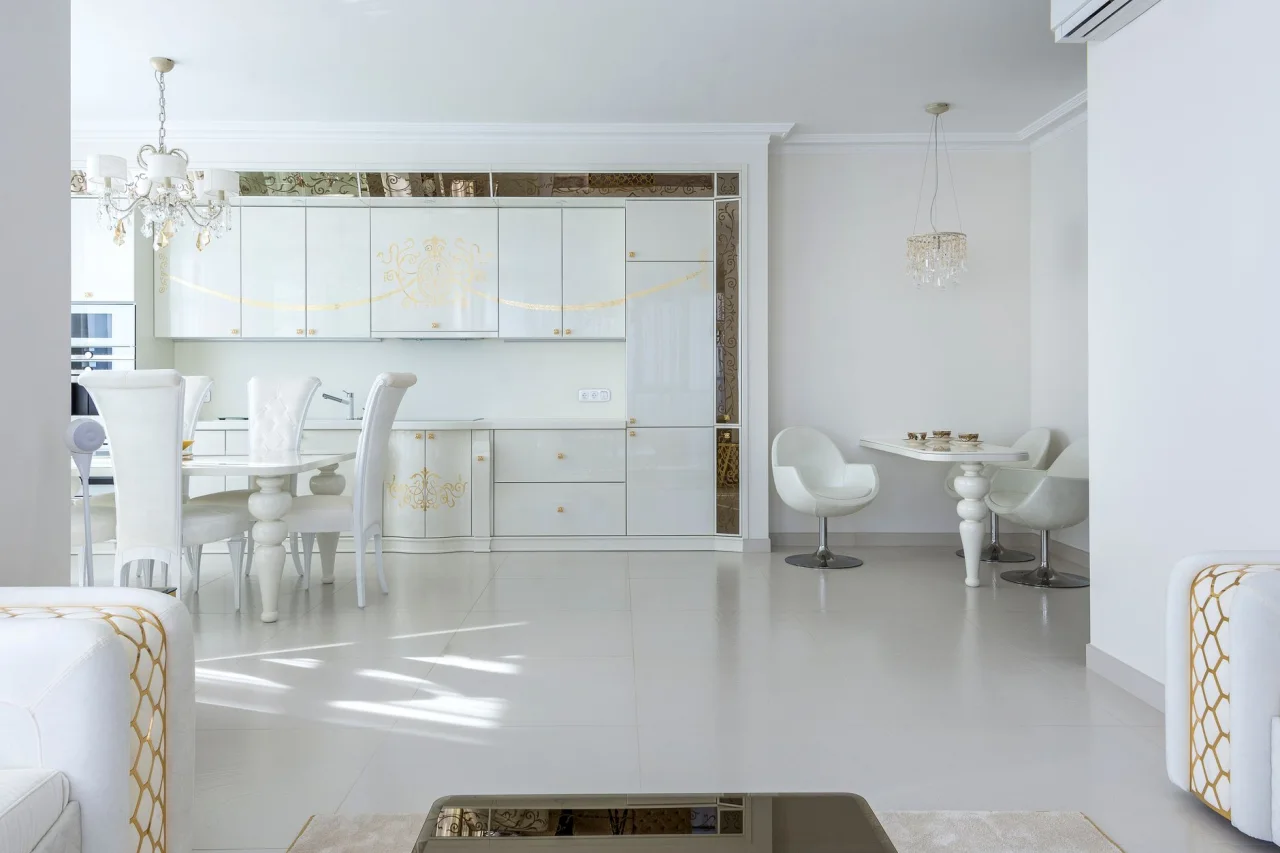
Renting an apartment in Dubai can be quick and smooth, or slow and expensive, depending on how well you understand the system before you sign. This guide walks through realistic price bands, the areas worth shortlisting, the cheque and Ejari mechanics that trip up newcomers, and the negotiation moves that actually work. Numbers here are indicative ranges: the market moves, so verify current rents on official portals and with a licensed agent.
The short version
- Rents vary widely by area, building age, view and how many cheques you pay in, so treat any figure as a range, not a fixed price.
- Your tenancy must be registered through Ejari with the Dubai Land Department; this is required to connect utilities and to protect your rights.
- Fewer cheques (one or two) usually unlock a lower rent; more cheques ease cash flow but cost more.
- Budget beyond rent: agency fee, security deposit, DEWA connection, the 5 percent housing fee, and chiller or cooling charges where they apply.
How Dubai rents are structured
Dubai leases are almost always annual and quoted as a yearly figure, then split into a number of post-dated cheques. You will see rents advertised as, for example, a price in one cheque, or a slightly higher price in four or six cheques. The single-cheque option gives the landlord certainty and usually earns you the lowest number, while paying in four, six or twelve cheques spreads the cost but nudges the price up.
Rent depends on a stack of factors: the community, the specific building and its age, the floor and view, whether the unit is furnished, and the current supply of similar units. A one-bedroom in a brand-new tower with a marina view and a one-bedroom in an older inland building can carry very different prices even in the same district. Because of that, focus on comparing like with like rather than chasing a single citywide average.
Indicative price bands by property size
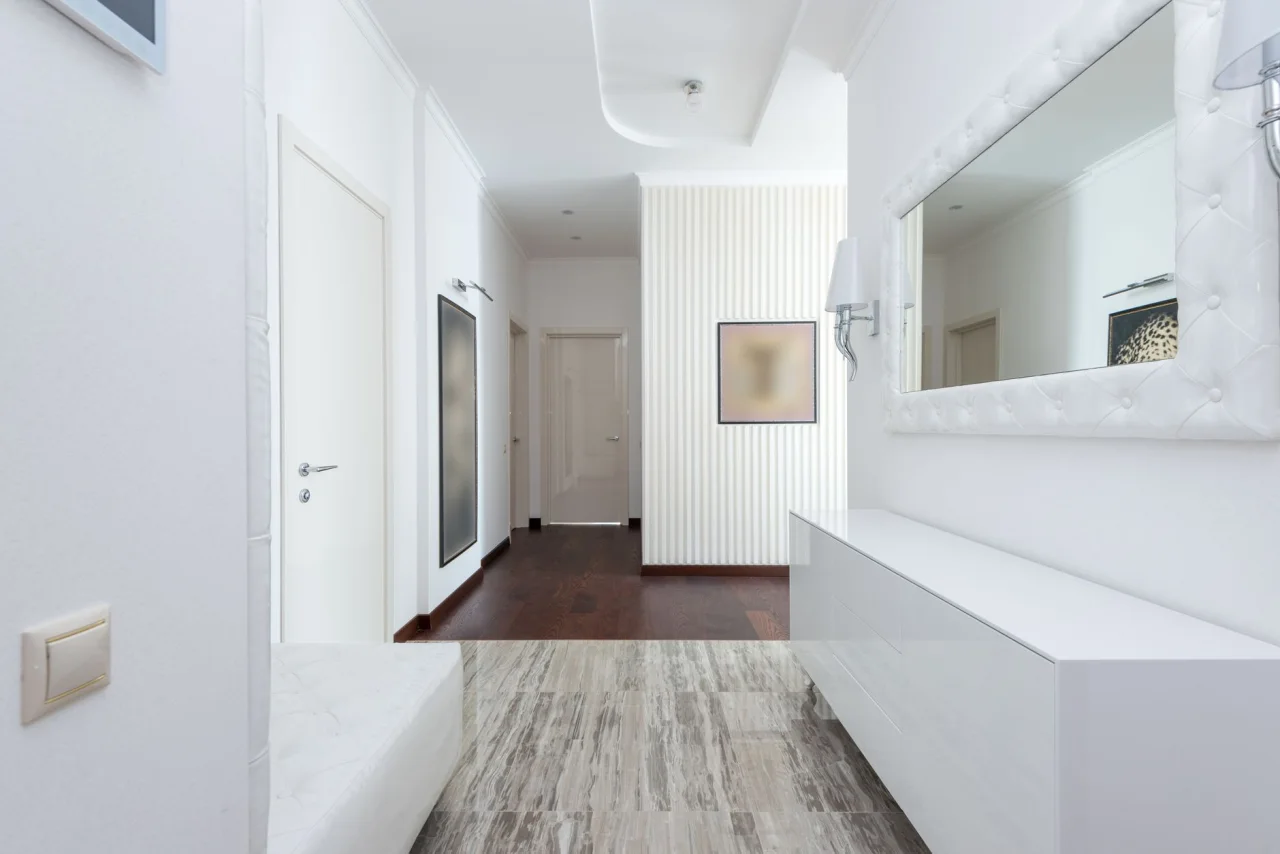
Use these only as a rough orientation, then check live listings and the DLD rental data for your exact area. As a general pattern across the city:
- Studios tend to be the entry point, cheaper in emerging inland communities and pricier in prime waterfront or Downtown locations.
- One-bedroom apartments sit a clear step above studios, with the same steep premium for prime, new and view-facing stock.
- Two and three-bedroom apartments command the most, especially in family-oriented and waterfront communities, and the gap widens sharply at the luxury end.
The consistent rule is that location, newness and view drive price more than raw square footage. A smaller unit in a sought-after tower can cost more than a larger one in an older, less central building. For the smallest budgets, our dedicated guides to a studio apartment for rent in Dubai and a studio for rent in Dubai go deeper on the cheapest end of the market.
Verify before you commit
Rents shift with season and supply. Any band above is indicative and varies by tower, floor, view and market conditions. Confirm current pricing with a RERA-registered agent and on the Dubai Land Department and Dubai REST portal, and treat this as general information rather than personalised advice.
Best areas to shortlist
The right area depends on your commute, budget and lifestyle rather than a universal ranking. A few well-known patterns help you narrow the field:
- Value and community feel: established mid-market communities offer newer stock at gentler prices, often with parks and amenities. Jumeirah Village Circle is a popular example for renters seeking space for the money. See our Jumeirah Village Circle area guide.
- Family and green living: master communities built around parks and schools suit families. Our Dubai Hills Estate guide covers one of the better-known options.
- Prime and waterfront: Downtown, Dubai Marina and similar districts carry a premium for lifestyle, views and walkability. Expect to pay more per square foot.
Shortlist two or three areas, then visit at different times of day. Check the real commute to your workplace, the parking situation, and the noise and construction around the building before you fall for the photos.
Ejari and the paperwork that protects you
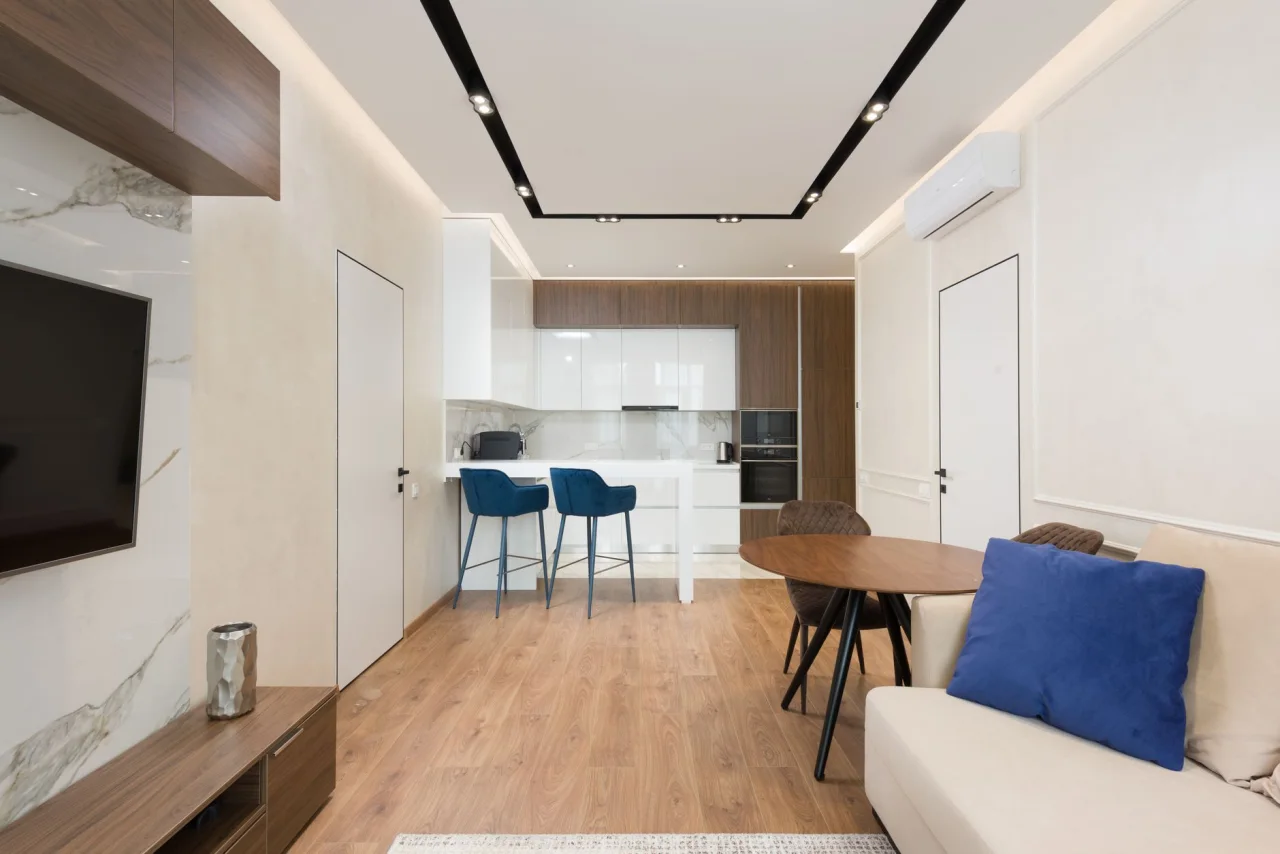
In Dubai, tenancy contracts must be registered through the Ejari system with the Dubai Land Department. Registration is not optional bureaucracy: it is required to connect utilities such as water and electricity, and it formally records the tenancy so both sides have legal standing if a dispute arises. You will typically need the tenancy contract, your passport, residence visa and Emirates ID, and the landlord or agent details.
To sign a lease you generally provide identification documents and post-dated cheques covering the agreed period. Keep copies of everything, including the Ejari certificate, the signed contract, and receipts for the deposit and any fees. If your landlord or agent is not registering the tenancy, treat that as a red flag rather than a convenience.
The full cost of renting, beyond the rent
New renters often underbudget. Plan for these on top of the annual rent:
- Agency commission: commonly charged to the tenant, so confirm the amount up front.
- Security deposit: refundable at the end of the tenancy, subject to the condition of the unit.
- DEWA connection: a deposit and activation fee to switch on water and electricity.
- Housing fee: tenants pay a municipality housing fee calculated at 5 percent of annual rent, added to the monthly utility bill.
- Cooling charges: some buildings bill district cooling separately, which can be significant in summer.
- Ejari and admin fees: the registration and any minor administrative charges.
Add these up before you decide what you can afford, because the true first-year outlay is meaningfully higher than twelve months of rent.
Negotiation tips that actually work
Dubai rents are negotiable more often than newcomers expect, especially when supply is healthy. Practical levers:
- Offer fewer cheques. Proposing one or two cheques instead of four or six is the single strongest lever on price, if your cash flow allows it.
- Bring evidence. Show comparable listings and, where available, DLD rental index data for the same building or community. A number backed by evidence lands better than a vague ask.
- Target renewal season and slow supply. Landlords facing a vacant unit are more flexible than those with queues of applicants.
- Ask for inclusions. If the rent will not move, negotiate maintenance terms, a parking space, or minor repairs and repainting before move-in.
- Know the rental increase rules. The RERA rental index governs how much a landlord can raise rent at renewal, so understand your position before you accept an increase.
If you are weighing renting against buying over the long run, compare the numbers in our guide to buying an apartment in Dubai. And if your search may extend to the capital, see apartments for rent in Abu Dhabi and villas for rent in Abu Dhabi.
Tenant protection note
Rental disputes in Dubai are handled through the Rental Dispute Settlement Centre. Keep your registered contract, Ejari certificate and payment records safe, since they are your evidence. For anything complex, seek advice from a licensed professional rather than relying on informal guidance.
Frequently asked questions
How much does it cost to rent an apartment in Dubai?
It varies widely by area, size, building age, view and the number of cheques you pay in. Studios are the entry point and larger or prime waterfront units cost far more. Treat any figure as an indicative range and confirm current rents on the Dubai Land Department and Dubai REST portal and with a RERA-registered agent.
What is Ejari and do I need it?
Ejari is the Dubai Land Department system that registers your tenancy contract. Registration is required to connect utilities and to give your lease legal standing. You generally need the contract, your passport, residence visa and Emirates ID to register it.
How does paying by cheques work?
Annual rent is usually split into post-dated cheques, for example one, two, four, six or twelve. Fewer cheques typically earn a lower total rent because they give the landlord more certainty, while more cheques ease your cash flow but usually cost more.
What extra costs should I budget for?
Beyond rent, budget for agency commission, a refundable security deposit, the DEWA connection deposit and fee, the 5 percent municipality housing fee added to your utility bill, any district cooling charges, and the Ejari registration fee.
Can I negotiate the rent?
Often yes. Offering fewer cheques is the strongest lever, and bringing comparable listings or DLD rental data strengthens your case. Landlords are usually more flexible when a unit is vacant or supply is high.
Can my landlord raise the rent as much as they want?
No. Rent increases at renewal are governed by the RERA rental index, which caps how much a landlord can raise rent based on how far current rent sits below the market rate. Check your position on the official rental index before accepting any increase.
External references: the UAE Government portal on leasing a property in the UAE and the Dubai Land Department page to register or renew an Ejari tenancy contract.
More guides on Renting in UAE
Have a question or a topic to suggest?
We read every message. Tell us what you would like to see next on the blog.
Get in touchYou may also like
Studio for Rent in Dubai: Guide
How studio rents work in Dubai: prices by area, the cheque system, Ejari registration, your rights on rent increases and practical money-saving tenant tips.
Studio for Rent in Dubai (2026)
Realistic studio rent ranges by area, how the cheque system works, Ejari registration, move-in costs and negotiation tactics that actually move a Dubai landlord in 2026.
Apartments for Rent in Abu Dhabi (2026)
A 2026 guide to renting an apartment in Abu Dhabi: the best areas, how rents are structured, the Tawtheeq process, the current rent cap and tenant tips to rent smarter.