Renting Guide
Rent Apartment in Dubai Monthly
Annual leases paid in cheques versus short-term lets, price ranges by area, Ejari, RERA rent rules and negotiation tactics.
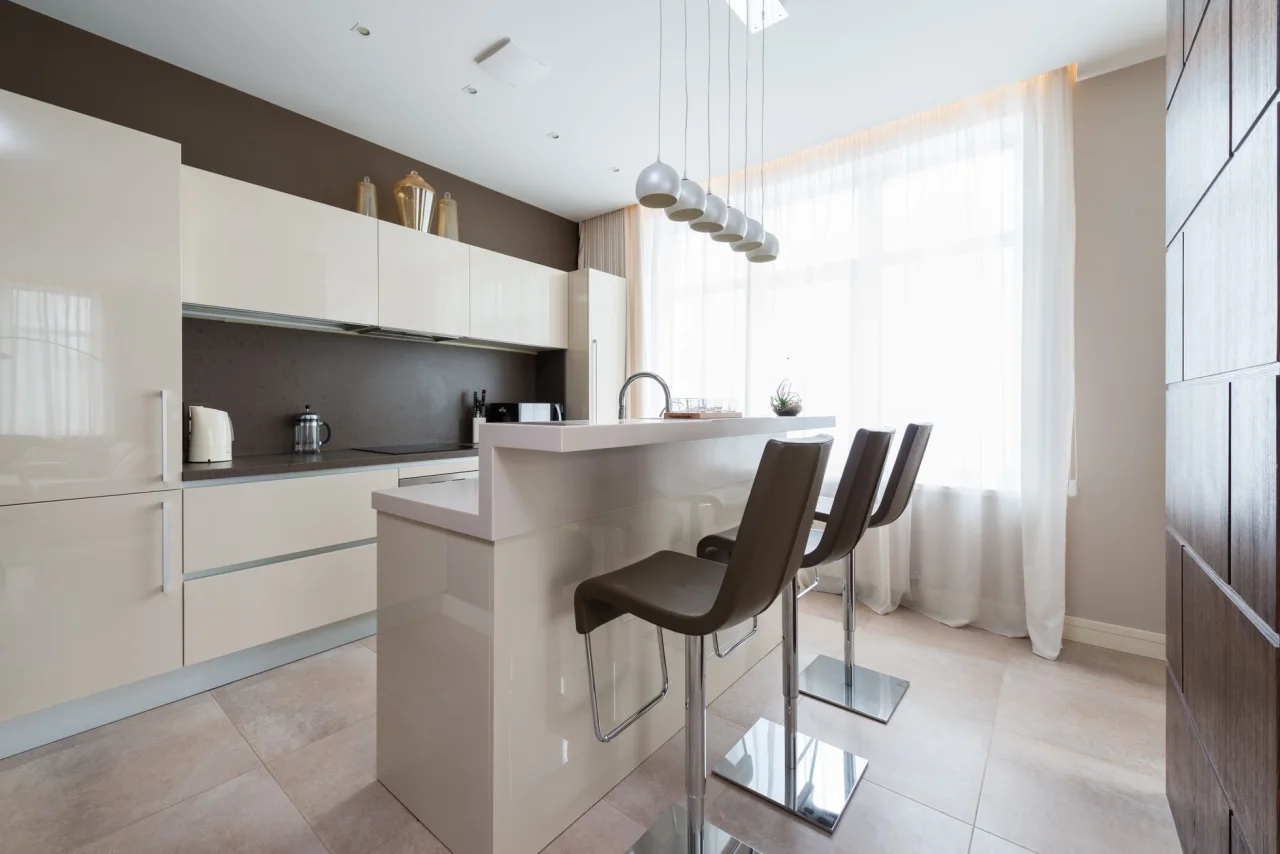
Searching to rent an apartment in Dubai monthly usually means one of two very different things: an annual lease that you pay across several cheques, or a genuinely short-term furnished rental billed month to month. This guide separates the two, walks through realistic price ranges by area, explains the Ejari registration and cheque system, and shares practical negotiation and tenant-protection tips grounded in Dubai's rental rules.
The short version
- "Monthly" rent in Dubai usually means either an annual contract split into multiple cheques, or a short-term furnished let; the two have very different costs and rules.
- Standard annual leases must be registered through Ejari, the RERA system, and rent increases are governed by Decree No. 43 of 2013 and the official rental index.
- Rents vary widely by area, size and furnishing, so treat every figure as a range and verify live numbers on the Dubai REST app with a RERA-registered agent.
- Fewer cheques usually mean a lower price; short-term monthly lets cost more per month but include flexibility and bills.
What "rent monthly" really means in Dubai
Dubai's mainstream rental market runs on annual contracts. The headline rent is an annual figure, and you agree how many post-dated cheques you will use to pay it, commonly between one and twelve. Paying in twelve cheques feels monthly, but it is still a one-year lease. This is different from a genuine short-term or holiday rental, which is furnished, billed month to month, and usually costs more per month because it bundles flexibility, furniture and often utilities.
Knowing which you want changes everything about budget and paperwork. If you want the lowest possible rent and plan to stay a year or more, an annual lease in more cheques is usually the better value. If you need flexibility for a few months, a short-term furnished let is simpler to start and exit. Our guide to short-term apartment rentals in Dubai covers the furnished, flexible route in more detail, while our broader Dubai apartment rental guide covers the standard annual market.
The cheque system and how it affects price
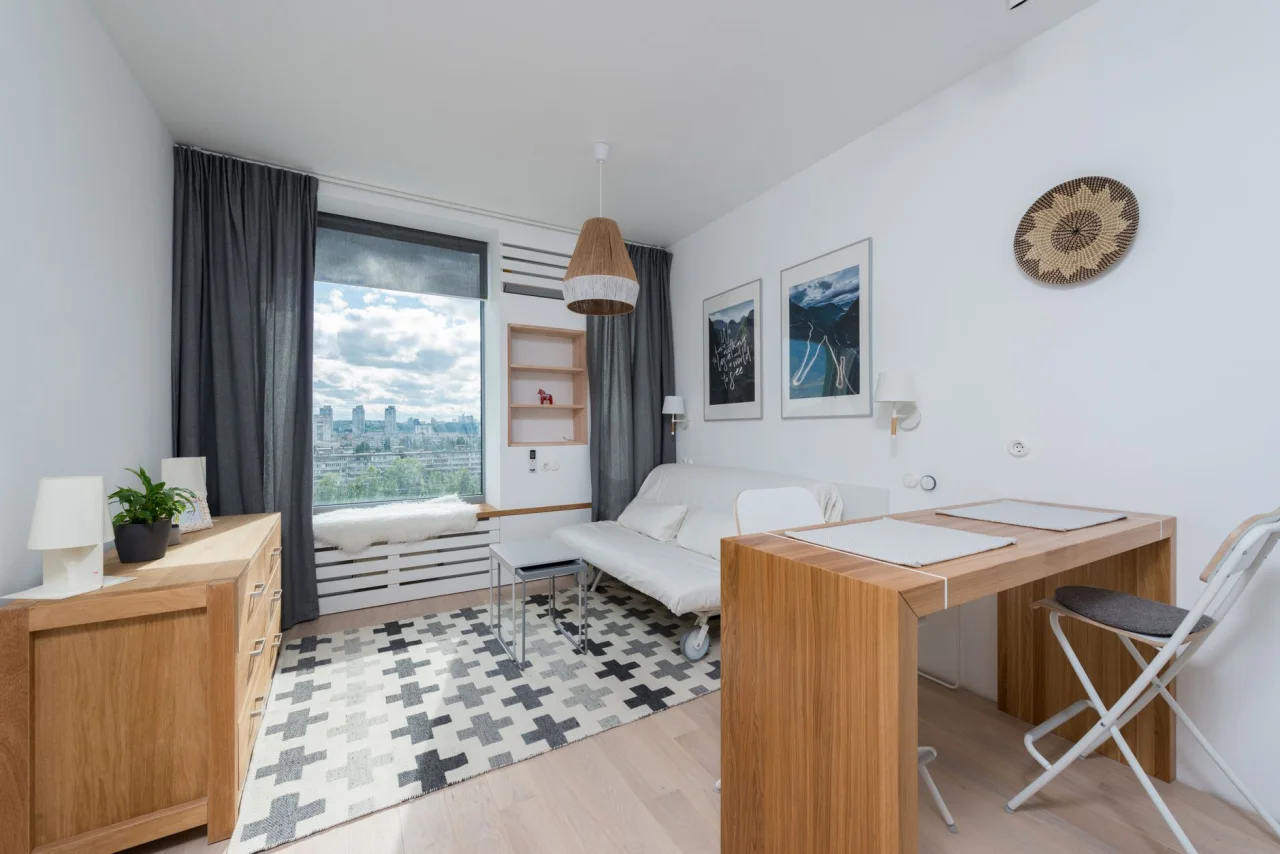
The number of cheques is one of the most powerful levers in a Dubai rental negotiation. Landlords generally prefer fewer cheques because it reduces their admin and risk, so a single-cheque or two-cheque payment often unlocks a lower annual rent. More cheques ease your cash flow but usually come at a slightly higher price and can narrow the pool of landlords willing to accept the deal.
- 1 to 2 cheques: strongest negotiating position, often the lowest rent, but you need significant cash up front.
- 4 to 6 cheques: a common middle ground balancing cash flow and price.
- 12 cheques: closest to a monthly feel, easiest on cash flow, usually the highest price and fewer available listings.
Tip: budget the real move-in cost
Beyond rent, plan for a security deposit (commonly a percentage of annual rent, refundable), agency commission, DEWA connection, cooling or chiller charges, and Ejari registration. Ask for every cost in writing before you sign. Figures vary by property and market conditions; this is general information, not financial advice.
Realistic price ranges by area
Rents in Dubai span a very wide range, so the honest answer is that price depends on area, apartment size, building age, furnishing and current market conditions. Rather than quoting fixed numbers that quickly go stale, use these relative tiers as a starting frame and confirm live figures on the Dubai REST app or with a RERA-registered agent.
- Value and established areas such as parts of Deira, International City and Discovery Gardens tend to sit at the more affordable end.
- Mid-market communities such as Jumeirah Village Circle, Al Furjan and Jumeirah Lakes Towers offer newer stock and amenities at a middle price point.
- Prime waterfront and central districts such as Dubai Marina, Downtown Dubai and Palm Jumeirah sit at the top of the range.
For specific unit types, our guides to a studio for rent in Dubai and a one bedroom apartment for rent in Dubai break the ranges down further by size.
Ejari: registering your tenancy

Every standard tenancy contract in Dubai should be registered through Ejari, the system administered by RERA under the Dubai Land Department. Registration turns your tenancy into an officially recognised contract, which you will need for practical steps like connecting DEWA, sponsoring family, and resolving any future dispute. You can register through the Dubai REST app or an approved typing centre, and the fee is modest.
Insist on an Ejari-registered contract rather than an informal arrangement. A registered lease protects both sides and is the foundation for your rights under Dubai's rental law. Keep copies of the contract, Ejari certificate, deposit receipt and all cheque records.
Your rights on rent increases
Rent increases in Dubai are not open-ended. Under Decree No. 43 of 2013, permitted increases are tied to how far your current rent sits below the average market rent for similar properties, as measured by the official RERA rental index. In broad terms, if your rent is close to the market average no increase is allowed, and the permitted percentage rises in bands only as your rent falls further below the average. You can check your specific case using the RERA rental increase calculator on the Dubai Land Department portal or the Dubai REST app.
Tip: the 90-day rule
A landlord who wants to change rent or other terms at renewal must generally notify the tenant at least 90 days before the lease ends. Use the official RERA calculator to confirm what increase, if any, is actually permitted before accepting one, and keep everything in writing. This is general information, not legal advice; for a dispute, consult the Rental Dispute Settlement Centre or a licensed advisor.
Negotiation and tenant tips
Renting well in Dubai is as much about tactics as budget. A few practical moves consistently help:
- Use cheque count as leverage: offer fewer cheques in exchange for a lower rent if your cash flow allows.
- Check the RERA index before renewal: know whether any proposed increase is even legal.
- Inspect and document: photograph the unit's condition at move-in to protect your deposit at move-out.
- Confirm all charges: ask whether cooling, maintenance and any community fees are included or extra.
- Use a RERA-registered agent: verify the agent and landlord are legitimate before transferring money, and never pay to an unverified account.
If you are still comparing whether to rent by the month or take a longer view, our guides to property for rent in Dubai and renting in Dubai monthly give more angles on structuring the deal.
Short-term monthly rentals: when they make sense
Genuine month-to-month furnished rentals suit newcomers, people between homes, and those on short assignments. They are simpler to start, usually include furniture and often utilities, and let you leave with short notice. The trade-off is a higher effective monthly cost and, for holiday-home style lets, a different regulatory framework than standard leases. If flexibility matters more than absolute cost, this route can be worth the premium, but read the terms carefully and confirm what is included.
Frequently asked questions
Can you actually rent an apartment monthly in Dubai?
Yes, in two ways. Most tenants take an annual lease and pay it in multiple cheques, which feels monthly but is a one-year contract. Alternatively, furnished short-term rentals are billed genuinely month to month, with more flexibility but a higher effective monthly cost.
Is it cheaper to pay rent in one cheque or twelve?
Paying in fewer cheques, such as one or two, usually secures a lower annual rent because it reduces the landlord's risk and admin. Paying in twelve cheques eases cash flow but typically costs more and narrows the pool of available listings.
What is Ejari and do I need it?
Ejari is the RERA system, under the Dubai Land Department, for registering tenancy contracts. Standard leases should be registered through Ejari because it makes the contract officially recognised, which you need for utilities, family sponsorship and dispute resolution. You can register via the Dubai REST app or an approved typing centre.
How much can my landlord increase the rent?
Rent increases are governed by Decree No. 43 of 2013 and tied to how far your rent sits below the market average in the official RERA index. If your rent is near the average, no increase is allowed, and permitted percentages rise in bands only as your rent falls further below it. Check your case on the RERA rental increase calculator, and note the landlord must give at least 90 days notice before renewal.
What extra costs should I budget beyond rent?
Plan for a refundable security deposit, agency commission, DEWA connection, cooling or chiller charges, and the Ejari registration fee. For furnished short-term lets, check whether utilities and internet are included. Always ask for every charge in writing before signing.
More guides on Renting in UAE
Have a question or a topic to suggest?
We read every message. Tell us what you would like to see next on the blog.
Get in touchYou may also like
Apartments for Rent in Dubai
A tenant's guide to renting an apartment in Dubai: realistic price bands by area, how cheques and Ejari work, the full cost beyond rent, and negotiation moves that actually work.
Short Term Rentals in Dubai (2026)
How Dubai holiday homes work, what short stays cost, the DET permit rules and the best areas, plus a checklist for booking a short let safely.
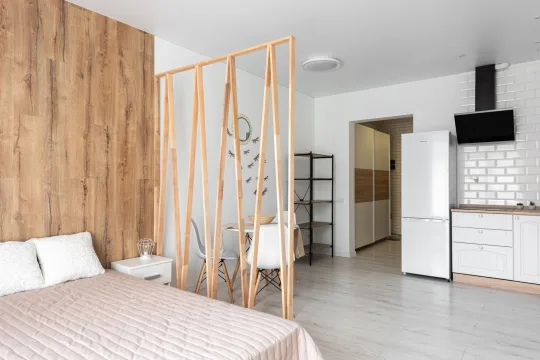
Studio for Rent in Dubai: Guide
How studio rents work in Dubai: prices by area, the cheque system, Ejari registration, your rights on rent increases and practical money-saving tenant tips.