Renting in UAE
Short Term Rentals in Dubai (2026)
Furnished short stays explained: DET holiday home permits, the Tourism Dirham and how to avoid unlicensed listings.
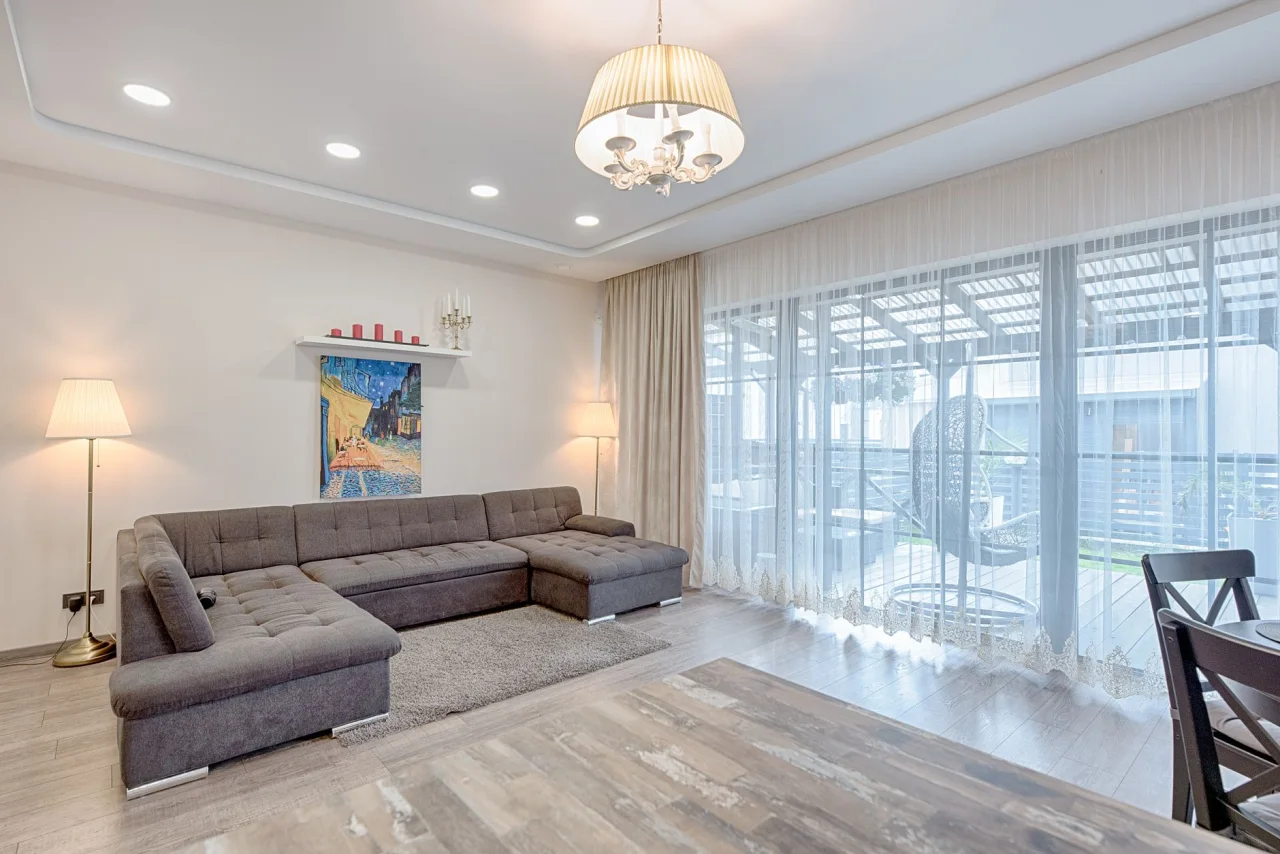
A short term apartment rental in Dubai sits between a hotel and a traditional annual lease: a fully furnished home you take for a few nights, weeks or months without signing a year long contract. It suits visitors, professionals on assignment and anyone bridging a move. The trade off is a higher nightly cost and a different legal framework, because short lets are licensed holiday homes regulated by Dubai's tourism authority. This guide explains how they work, what they cost in general terms, and how to book safely. Prices here are ranges, not quotes, and move with season and demand.
The short version
- Short term lets under 12 months are regulated as holiday homes by Dubai's Department of Economy and Tourism (DET), formerly the DTCM.
- Every legally operated unit needs a DET holiday home permit and must be let as a whole apartment, not room by room.
- You pay more per night than a monthly slice of an annual lease, but bills, furniture and Wi-Fi are usually included.
- Book only permitted, verified units to avoid scams and to keep the legal protections that come with a licensed holiday home.
What counts as a short term rental in Dubai
In Dubai a short term rental is a furnished residential unit let for tourism or temporary stays, typically anything shorter than a 12 month contract. These are officially known as holiday homes. Unlike a standard annual lease, which registers through Ejari, a holiday home operates under a permit from the Department of Economy and Tourism and is run either by the owner or by a licensed holiday home operator.
The result feels more like a serviced apartment than a normal tenancy: the unit comes fully furnished and equipped, utilities and internet are usually bundled into the rate, and stays can run from a single night to several months. If you actually want a longer commitment at a lower monthly cost, compare this with our monthly apartment rental guide and the standard Dubai apartment guide, which cover annual leases.
How the rules work

Dubai regulates short term rentals through the Department of Economy and Tourism, the authority that absorbed the former Department of Tourism and Commerce Marketing (DTCM). The core requirements are consistent: every unit offered for short stays needs a valid holiday home permit and classification, must be let as a whole unit rather than room only, and the operator handles guest registration and the per night Tourism Dirham that applies to short stays.
For you as a guest, the practical takeaway is to book only permitted units through a licensed operator or a reputable platform. A properly permitted holiday home is furnished and equipped to the required standard, including safety items, and gives you a clear point of accountability if something goes wrong. This article is general information, not legal advice, so operators should verify their own obligations directly with the authority.
Note on figures: Short term rates vary enormously by area, apartment size, furnishing quality, season and how far ahead you book, and they can spike around major events. Treat any figure as a broad range, not a quote. Compare current listings on reputable platforms and confirm the total, including cleaning and the Tourism Dirham, before you pay. Background on Dubai's rules sits with the UAE government housing services pages.
What you pay for, and what it includes
Short term rates are quoted per night or per month and are higher than an equivalent slice of an annual lease, because you are paying for flexibility, furnishing and service. In return, most holiday homes bundle in electricity and water, air conditioning, Wi-Fi, and often a cleaning schedule and basic supplies. That bundling makes budgeting simpler than an annual lease, where DEWA, cooling and internet are separate.
Watch for extra charges beyond the headline rate: a cleaning fee, a refundable security deposit, and the Tourism Dirham levied per night on short stays. Longer bookings of a month or more usually attract a lower nightly rate than a few nights, so if your stay is open ended it is worth asking about a monthly rate.
Best areas for short term rentals

Short term demand concentrates in Dubai's tourist and business districts, where furnished stock and amenities are strongest.
- Dubai Marina and JBR: waterfront towers, dining and the beach, the classic short stay choice for visitors.
- Downtown Dubai: next to Burj Khalifa and Dubai Mall, popular for first time visitors and business travellers.
- Business Bay: central and canal side, handy for meetings and close to Downtown at a slightly lower rate.
- Palm Jumeirah: resort style stays with beach access, at the premium end.
- Jumeirah Village Circle (JVC): more affordable furnished apartments a short drive from the action, covered in our JVC area guide.
If you want a specific short stay format, our guides to monthly studio rentals and renting in Dubai monthly cover the flexible end of the market in more detail.
Booking safely: a checklist
Because short lets involve upfront payment to someone you may never meet in person, a little diligence protects you.
- Confirm the unit is a permitted holiday home. Ask the operator for their DET permit and only book verified, licensed stock.
- Use a reputable platform or licensed operator. Pay through the platform where possible rather than by direct transfer to an unknown account.
- Get the full price in writing. Include cleaning, deposit and the Tourism Dirham so there are no surprises at check in.
- Check the cancellation and refund terms. Understand what you lose if plans change.
- Inspect on arrival. Photograph the unit's condition and report any issue immediately to protect your deposit.
Tip: If a deal looks far cheaper than comparable licensed listings, treat it as a warning sign. Unpermitted sublets can be shut down, leaving you without a booking and without recourse. The small premium for a properly permitted holiday home buys real protection.
Short term versus annual: which fits you
Short term makes sense when your stay is genuinely temporary, when you value furnishing and flexibility over cost, or when you are bridging between homes. An annual lease almost always wins on cost per month for a settled stay, but it locks you in for a year, requires Ejari registration, and puts DEWA, cooling and internet on you. If you expect to stay more than a few months, price both routes before deciding. Our Dubai renting guide lays out the annual path in full.
Frequently asked questions
Are short term rentals legal in Dubai?
Yes, when properly licensed. Short stays are regulated as holiday homes by the Department of Economy and Tourism, and every legally operated unit needs a DET holiday home permit. As a guest, book only permitted units through a licensed operator or reputable platform. Unpermitted sublets carry risk for both host and guest, so confirming the permit protects you.
Do I need an Ejari for a short term rental?
No. Ejari registration applies to standard annual tenancy contracts. Short term holiday homes operate under a DET permit instead, held by the owner or operator, not a tenant registered lease. If a provider asks you to sign a year long Ejari contract, you are looking at an annual lease, not a true short term stay.
Is a short term rental cheaper than a hotel?
For stays of a week or more, a furnished holiday home apartment often works out cheaper per night than a comparable hotel and gives you a kitchen and more space. For a single night or two, hotels can be competitive. Compare the all in price, including cleaning and the Tourism Dirham, against the hotel rate for your exact dates before deciding.
What is the Tourism Dirham?
The Tourism Dirham is a per night charge that applies to short stay accommodation in Dubai, including licensed holiday homes, collected from guests by the operator. The amount depends on the property's classification. Ask for it to be included in your quoted total so the final bill matches what you expected at booking.
Can I turn my own apartment into a short term rental?
Only with the correct permit. Owners and long term tenants who want to sublet short term must obtain a DET holiday home permit and follow the classification, safety and reporting rules, and let the unit as a whole. Requirements and fees can change, so verify your obligations directly with the Department of Economy and Tourism before listing. This is general information, not legal advice.
More guides on Renting in UAE
Have a question or a topic to suggest?
We read every message. Tell us what you would like to see next on the blog.
Get in touchYou may also like
Rent Apartment in Dubai Monthly
Renting monthly in Dubai means annual leases paid in cheques or short-term furnished lets. Here are the price ranges, the Ejari and RERA rules, and tenant tips.
Rent in Dubai Monthly (2026)
What renting in Dubai really costs each month in 2026, from the cheque system and hidden fees to Ejari and the RERA rent cap, with area price bands and tenant tips.
Studio in Dubai for Rent Monthly
The two ways to rent a Dubai studio monthly in 2026: an annual lease paid in instalments versus a furnished short-term let, with prices, costs and rules.