Renting in Dubai
Rent in Dubai: 2026 Cost Guide
The real cost of renting, how to budget, prices by area and the tenant rights you should know.
Deciding to rent in Dubai is the easy part. The harder question is what it actually costs once you add deposits, cooling charges, agency fees and the cheque plan on top of the headline rent. This guide focuses on the money and the practical steps: how to budget, what the full cost stack looks like, where rents sit by area, and the tenant rights that keep you protected in 2026.
The short version
- Your real cost of renting is the annual rent plus deposit, agency commission, Ejari fee, DEWA and cooling, so budget the stack, not just the rent.
- Rents vary widely by area and property type, from affordable outer studios to prime waterfront villas.
- Fewer cheques usually mean a lower headline rent but a bigger upfront outlay, so plan your cash flow before you view.
- Register your tenancy with Ejari at the Dubai Land Department, and use the official rental index to check any renewal increase.
What it costs to rent in Dubai
The advertised rent is only the starting figure. To rent in Dubai you also pay a refundable security deposit, usually a one-off agency commission, the Ejari registration fee, and utility setup with DEWA plus district cooling where the building uses it. Some renters are caught out because they budget for twelve months of rent and forget that a large chunk of the first payment is due before they even move in. Planning the whole stack up front is the single most important thing you can do.
Because the market shifts with season and supply, treat any figure in a guide like this as a broad band and confirm live numbers with a RERA-registered agent or on the DLD and Dubai REST portal. For a full walk through of the property types and process, our complete guide to property for rent in Dubai is the companion piece to this cost-focused one.
How much rent can you afford
A common rule of thumb is to keep housing within about a quarter to a third of your take-home pay, though the right share depends on your other commitments and whether you pay in one cheque or twelve. Work backwards from your annual budget, subtract the upfront costs below, and only then set the rent you can target. Remember that a single-cheque deal often carries a lower rent but demands the whole year at once, so affordability is about cash flow as much as the headline number.
- Map your fixed costs first: transport, schooling, insurance and savings, before you decide what is left for rent.
- Stress-test the upfront month: can you cover the deposit, commission, Ejari and DEWA together with the first rent cheque?
- Leave a buffer: for maintenance, renewal increases and moving costs.
Rent by area
Rents depend on area, property type, building age, floor, view and payment plan. As a broad map:
- Prime, highest demand: Downtown Dubai, Dubai Marina, Business Bay, Palm Jumeirah and Jumeirah Beach Residence. The top of the market.
- Mid-market master communities: Jumeirah Village Circle, Dubai Hills Estate, Dubai Sports City, Jumeirah Lakes Towers and Town Square. The best balance of price and amenities.
- Most affordable: Dubai Silicon Oasis, International City, Discovery Gardens, Deira and other established outer areas.
Choosing between property types changes the budget as much as choosing an area. If you are weighing sizes, our studio rental guide and one-bedroom rental guide show where each sits on the ladder.
Tip: the cheaper rent can be the pricier home
A low rent far from work can cost more once you add commuting time, fuel, tolls and Metro fares. Total the annual travel cost of each shortlisted area and add it to the rent before you compare. The genuinely cheapest option is often not the lowest sticker price.
The full cost stack beyond rent
Beyond the rent itself, budget for these:
- Security deposit: commonly around five percent of annual rent for an unfurnished unit, and often more if furnished. Refundable if you leave the property in good condition.
- Agency commission: a one-off fee where an agent is involved, typically a percentage of the annual rent.
- Ejari registration: a modest fixed fee to register the contract.
- DEWA: a connection deposit plus your ongoing electricity and water bills.
- District cooling: in many towers, air conditioning is billed separately, sometimes with its own deposit.
- Moving and setup: movers, internet installation, and any building move-in or access-card fee.
Get every figure in writing before you transfer anything, and never pay a deposit before you have seen both the unit and the contract.
The cheque system and your cash flow
Dubai rents are usually paid with post-dated cheques, and the count is negotiable. One cheque is the full year up front at the lowest rent; a twelve-cheque plan spreads the cost but usually at a higher total. The right choice depends on your savings and income timing more than anything else.
- 1 cheque: lowest rent, largest single outlay.
- 2 to 4 cheques: the common compromise.
- 6 to 12 cheques: gentler on monthly cash flow, higher total rent.
If a single annual payment is out of reach, our guide to renting an apartment in Dubai monthly explains how instalment plans are structured and what they cost.
Ejari, your rights and rent increase rules
Every residential tenancy in Dubai must be registered through Ejari, the system operated under the Dubai Land Department. The certificate makes your contract officially recognised and is needed for DEWA connection, visa processes and school registration. You can register and download it through the Dubai REST app. As a tenant, your contract also sets the notice period and maintenance responsibilities, so read it before signing.
At renewal, the landlord cannot raise the rent freely. Increases are governed by the official rental index: no rise is permitted while your current rent sits within roughly ten percent of the index for a comparable property, and the permitted increase steps up only as your rent falls further below the index, capped at twenty percent in the largest gap. Dubai uses a Smart Rental Index to help set these bands, so check the official calculator for your unit before you agree anything.
Note: this is general information, not legal advice
Tenancy rules and permitted rent increases change and depend on your exact contract and building. Verify current requirements on the Dubai Land Department portal, use the official rental index calculator, and for a dispute seek help through the official rental dispute channels or a licensed advisor.
A newcomer's rental timeline
- Weeks before: set your budget including the full cost stack, and shortlist three communities that fit your commute.
- Viewing stage: tour units with a RERA-registered agent, compare comparable listings, and note condition and building fees.
- Offer stage: agree rent, cheque count, furnishing and inclusions in writing.
- Signing: check the contract terms, then register Ejari and keep the certificate.
- Move-in: connect DEWA and cooling, arrange internet, and complete building formalities.
Saving money, and whether to buy instead
The biggest savings come from offering fewer cheques, negotiating on a unit that has sat vacant, and asking for inclusions such as maintenance or parking when the rent will not move. If you expect to stay several years, it can be worth comparing renting against ownership, including a mortgage. Our Dubai property buyer's guide and UAE mortgage guide lay out the numbers, and ownership at the right value can support Golden Visa eligibility. Whatever you decide, verify current pricing with a RERA-registered agent and on the DLD and Dubai REST portal.
Frequently asked questions
How much does it really cost to rent in Dubai?
Beyond the annual rent, budget for a security deposit (commonly around five percent of annual rent, more if furnished), a one-off agency commission, the Ejari fee, and DEWA plus district cooling setup. The upfront month can be significant, so plan the whole cost stack, not just the rent. Confirm each figure in writing before you pay.
What share of my income should go on rent?
A common guideline is to keep housing within roughly a quarter to a third of take-home pay, but the right share depends on your other commitments and whether you pay in one cheque or twelve. Work backwards from your budget, subtract the upfront costs, and leave a buffer for maintenance and renewal increases.
Which areas are the cheapest to rent in Dubai?
Established outer communities such as Dubai Silicon Oasis, International City, Discovery Gardens and parts of Deira are typically among the most affordable, while prime areas like Downtown, Dubai Marina and Business Bay are the most expensive. Exact rents vary by property type, building and season, so confirm live figures with a RERA-registered agent or on the DLD portal.
Do I have to register my rental with Ejari?
Yes. Every residential tenancy in Dubai must be registered through Ejari under the Dubai Land Department. The certificate is needed for utility connection, visa steps and school registration, and it makes your contract officially recognised. You can register and download it through the Dubai REST app.
Can my landlord increase my rent by any amount?
No. Rent increases are governed by the official rental index, not the landlord's choice. No increase is permitted while your rent sits close to the index for a comparable property, and larger rises are allowed only as your rent falls further below the index, up to a capped maximum. Check the official rental index calculator before agreeing to any increase.
More guides on Renting in UAE
Have a question or a topic to suggest?
We read every message. Tell us what you would like to see next on the blog.
Get in touchYou may also like

Property for Rent in Dubai (2026)
A complete 2026 guide to renting in Dubai: property types, prices by area, the step-by-step process, cheque plans, upfront costs and your tenant rights.
Studio for Rent in Dubai (2026)
Realistic studio rent ranges by area, how the cheque system works, Ejari registration, move-in costs and negotiation tactics that actually move a Dubai landlord in 2026.
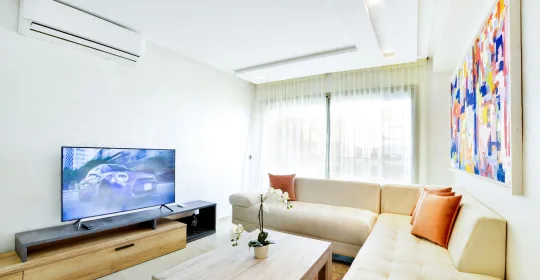
1BHK for Rent in Dubai (2026)
A practical 2026 guide to renting a 1BHK apartment in Dubai: what one-bed means here, best-value areas, cheque plans, Ejari and negotiation tips.