Renting in Dubai · Renting in UAE
Property for Rent in Dubai (2026)
Every rental property type, prices by area, the full process, cheque plans and the tenant rights that protect you.

Dubai has one of the most active rental markets in the world, spanning compact studios in outer communities to waterfront villas on the Palm. This complete guide walks through every property type you can rent, how prices differ by area, the step-by-step process from viewing to move-in, the cheque system, and the rules that protect you as a tenant in 2026.
The short version
- You can rent studios, one and two-bedroom apartments, townhouses and villas across dozens of communities at very different price points.
- Prime waterfront and Downtown addresses sit at the top of the market, mid-market master communities in the middle, and established outer areas at the most affordable end.
- Rent is usually paid by post-dated cheque, and fewer cheques generally unlock a lower headline rent.
- Every tenancy must be registered with Ejari at the Dubai Land Department, and renewal increases are governed by the official rental index.
The Dubai rental market at a glance
Renting is the default for most residents in Dubai, and the market is deep enough that you can find almost any combination of size, budget and lifestyle. Supply is spread across master-planned communities, high-rise districts and villa neighbourhoods, and new handovers keep adding stock, which is part of why rents shift with the season and the wider market. The practical upshot for a tenant is that there is almost always an alternative unit nearby, which gives you real leverage when you negotiate.
Because the market is large and fast-moving, the single most useful habit is to compare live listings for the exact community and building you want, then confirm figures with a RERA-registered agent or on the DLD and Dubai REST portal before you commit. Treat every price in a guide like this as a broad band, not a quote.
Types of property you can rent
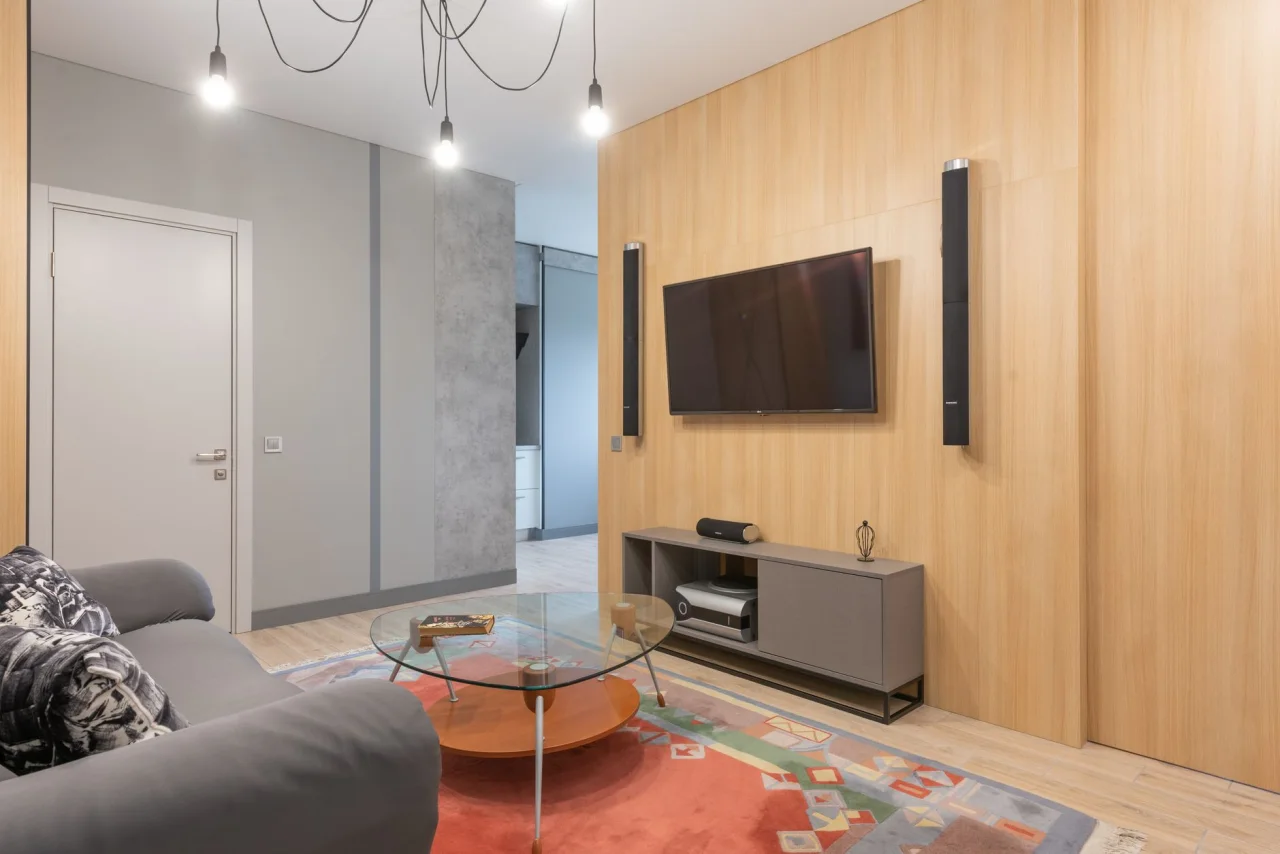
Dubai listings cover a clear ladder of property types, and each has its own market and price range:
- Studios: one open living space plus a bathroom, the entry rung and the most budget-friendly. See our studio rental guide.
- One-bedroom apartments: a separate bedroom for couples, sharers and remote workers. Our 1BHK rental guide covers it in detail.
- Two-bedroom apartments: the family and flatmate favourite, weighed up in our two-bedroom rental guide.
- Townhouses and villas: more space, gardens and often community facilities. Our villa rental guide and house rental guide explain the trade-offs.
Furnished and unfurnished options exist across all of these. Furnished saves you setup costs and suits shorter stays, while unfurnished is usually cheaper over a full year and lets you make the place your own.
Rent by area and property type
Prices depend on area, building age, floor, view, furnishing and the number of cheques. As a broad map of the market:
- Prime, highest demand: Downtown Dubai, Dubai Marina, Business Bay, Palm Jumeirah and Jumeirah Beach Residence. The top of the market for apartments and villas alike.
- Mid-market master communities: Jumeirah Village Circle, Dubai Hills Estate, Dubai Sports City, Jumeirah Lakes Towers, Arabian Ranches and Town Square. The best balance of price, newness and amenities.
- Most affordable: Dubai Silicon Oasis, International City, Discovery Gardens, Deira and other established outer areas.
If a specific community appeals, read its area guide before you tour. Two of the busiest rental communities are covered in our guides to living in Jumeirah Village Circle and living in Dubai Hills Estate.
Tip: shortlist three communities, not one
Rents and availability differ enough between neighbouring communities that a shortlist of three gives you both choice and negotiating leverage. Map each against your commute at peak hours before you fall for a single building.
How the rental process works, step by step
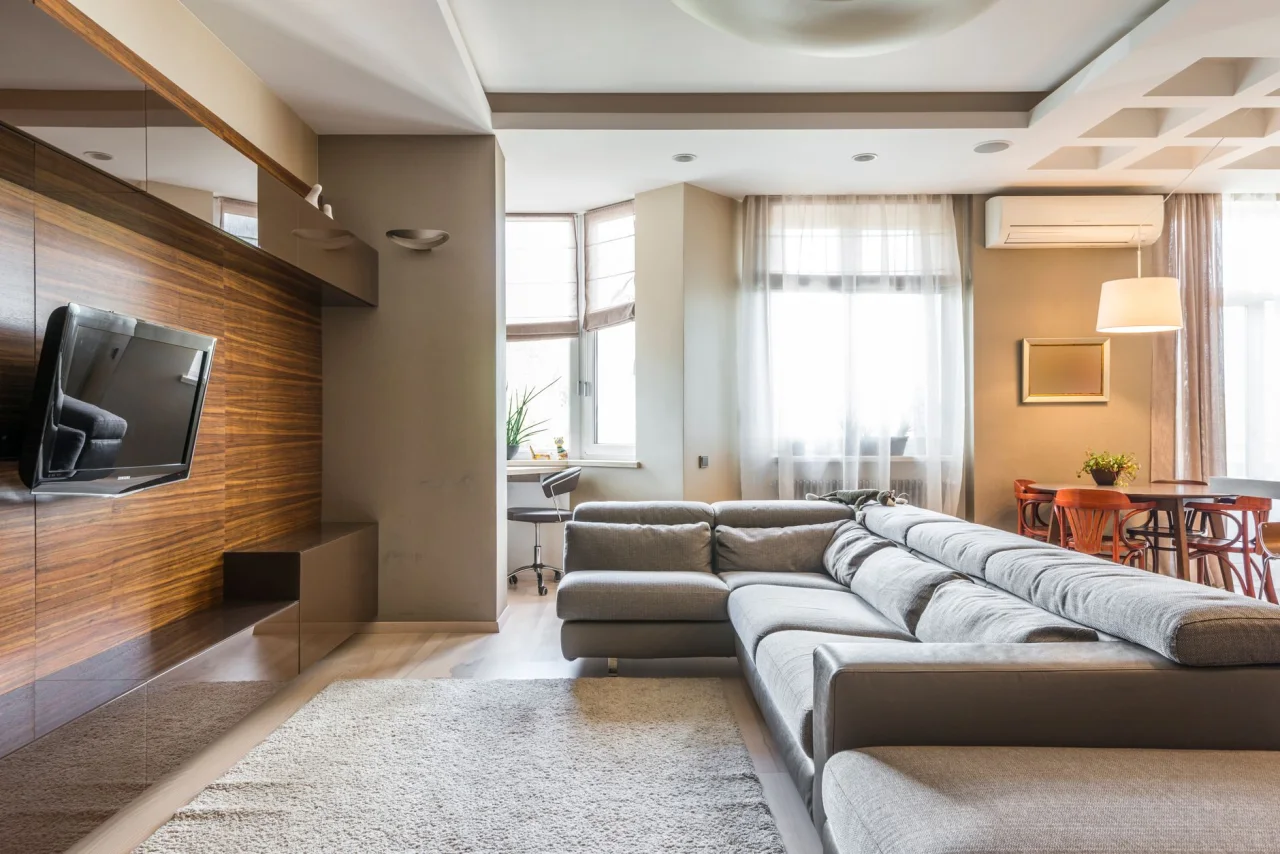
- Set your budget and area. Include upfront costs, not just the rent, and shortlist communities that fit your commute.
- Search and view. Use reputable portals and a RERA-registered agent, and view units in person before deciding.
- Make an offer. Agree the rent, number of cheques, furnishing and any inclusions, then get it in writing.
- Sign the tenancy contract. Check the notice period, maintenance responsibilities and any early-exit penalty.
- Register Ejari. Register the contract through Ejari and keep the certificate.
- Connect utilities and move in. Set up DEWA and cooling, arrange internet, and complete any building move-in formalities.
Working with a licensed agent is worth understanding properly; our overview of the real estate agent's role in the UAE explains what an agent should and should not do, and how commission works.
The cheque system and payment plans
Dubai rents are usually paid with post-dated cheques, and the number of cheques is part of the negotiation. One cheque means the full annual rent up front, while a twelve-cheque plan spreads it across the year. The trade-off is simple: fewer cheques usually mean a lower rent, because the landlord receives payment sooner and with less risk.
- 1 cheque: lowest rent, largest lump sum.
- 2 to 4 cheques: the common middle ground.
- 6 to 12 cheques: easier monthly cash flow, higher total rent.
Many landlords now accept bank transfer or card payment, but the cheque-count language still frames most deals. If paying a year up front is not realistic, our guide to renting an apartment in Dubai monthly shows how to structure instalments.
Upfront costs and budgeting
Plan for more than the first rent payment. Typical move-in costs include a security deposit (commonly around five percent of annual rent for an unfurnished unit, more if furnished), an agency commission where an agent is involved, the Ejari registration fee, and DEWA connection with its own deposit. Add moving costs and any building access-card or move-in fee. Villas and townhouses can carry higher deposits and garden or pool maintenance considerations. Confirm every figure in writing before you transfer anything.
Ejari, your contract and rent increase rules
Every residential tenancy in Dubai must be registered through Ejari, the system operated under the Dubai Land Department. Registration makes your agreement officially recognised, and the certificate is needed for DEWA connection, visa processes and school registration. You can register and manage tenancy contracts, and download the certificate, through the Dubai REST app. Never treat a verbal agreement or an unregistered document as a valid lease.
At renewal, a landlord cannot raise the rent by any amount they like. Increases are governed by the official rental index: no increase is permitted while your current rent sits within roughly ten percent of the index for a comparable property, and the permitted rise steps up only as your rent falls further below the index, capped at twenty percent in the largest gap. Dubai now uses a Smart Rental Index that rates buildings and helps set these bands, so always check the official calculator for your unit first.
Note: this is general information, not legal advice
Tenancy rules and permitted rent increases change and depend on your exact contract and building. Verify current requirements on the Dubai Land Department portal, use the official rental index calculator, and for a dispute seek help through the official rental dispute channels or a licensed advisor.
Renting versus buying, and next steps
Renting suits people who value flexibility or are not yet sure how long they will stay. If you expect to stay several years, it can be worth modelling the numbers against ownership, including a mortgage. Our Dubai property buyer's guide and UAE mortgage guide lay out the purchase costs and financing, and ownership at the right value can feed into Golden Visa eligibility. Whatever you choose, verify current pricing with a RERA-registered agent and on the DLD and Dubai REST portal.
Frequently asked questions
What types of property can I rent in Dubai?
You can rent studios, one and two-bedroom apartments, townhouses and villas, both furnished and unfurnished, across dozens of communities. Studios are the entry rung, while villas on prime communities sit at the top of the market. Each type has its own price range that varies by area, building and season.
Which areas are cheapest to rent in Dubai?
Established outer communities such as Dubai Silicon Oasis, International City, Discovery Gardens and parts of Deira are typically among the most affordable, while prime areas like Downtown, Dubai Marina, Palm Jumeirah and Business Bay are the most expensive. Exact rents vary by property type, building and season, so confirm live figures with a RERA-registered agent or on the DLD portal.
Do I have to register my rental with Ejari?
Yes. Every residential tenancy in Dubai must be registered through Ejari under the Dubai Land Department. The certificate is needed for utility connection, visa steps and school registration, and it makes your contract officially recognised. You can register and download it through the Dubai REST app.
How much can my landlord increase the rent at renewal?
Rent increases are governed by the official rental index, not the landlord's choice. No increase is permitted while your rent sits close to the index for a comparable property, and larger rises are allowed only as your rent falls further below the index, up to a capped maximum. Check the official rental index calculator before agreeing to any increase.
What upfront costs should I budget for beyond the rent?
Plan for a security deposit (commonly around five percent of annual rent for an unfurnished unit, more if furnished), any agency commission, the Ejari registration fee, and DEWA connection with its deposit, plus moving costs. Villas may carry higher deposits and maintenance considerations. Confirm every figure in writing before transferring money.
Is it better to rent or buy in Dubai?
Renting suits flexibility and shorter or uncertain stays, while buying can make sense if you expect to stay several years and want to build equity. The right answer depends on your timeframe, budget and financing. Model both, and confirm current prices and mortgage terms with a RERA-registered agent and a licensed advisor before deciding.
More guides on Renting in UAE
Have a question or a topic to suggest?
We read every message. Tell us what you would like to see next on the blog.
Get in touchYou may also like
Studio for Rent in Dubai (2026)
Realistic studio rent ranges by area, how the cheque system works, Ejari registration, move-in costs and negotiation tactics that actually move a Dubai landlord in 2026.
1BHK for Rent in Dubai (2026)
A practical 2026 guide to renting a 1BHK apartment in Dubai: what one-bed means here, best-value areas, cheque plans, Ejari and negotiation tips.

Villa for Rent in Dubai (2026)
Best communities, honest price bands and the extra costs of renting a villa in Dubai in 2026, plus Ejari, RERA rent caps and practical tenant tips.