Renting in Dubai
Rent in Dubai Monthly (2026)
Monthly rent bands, hidden costs, the cheque system, Ejari and your RERA rent-cap protections, explained for 2026.
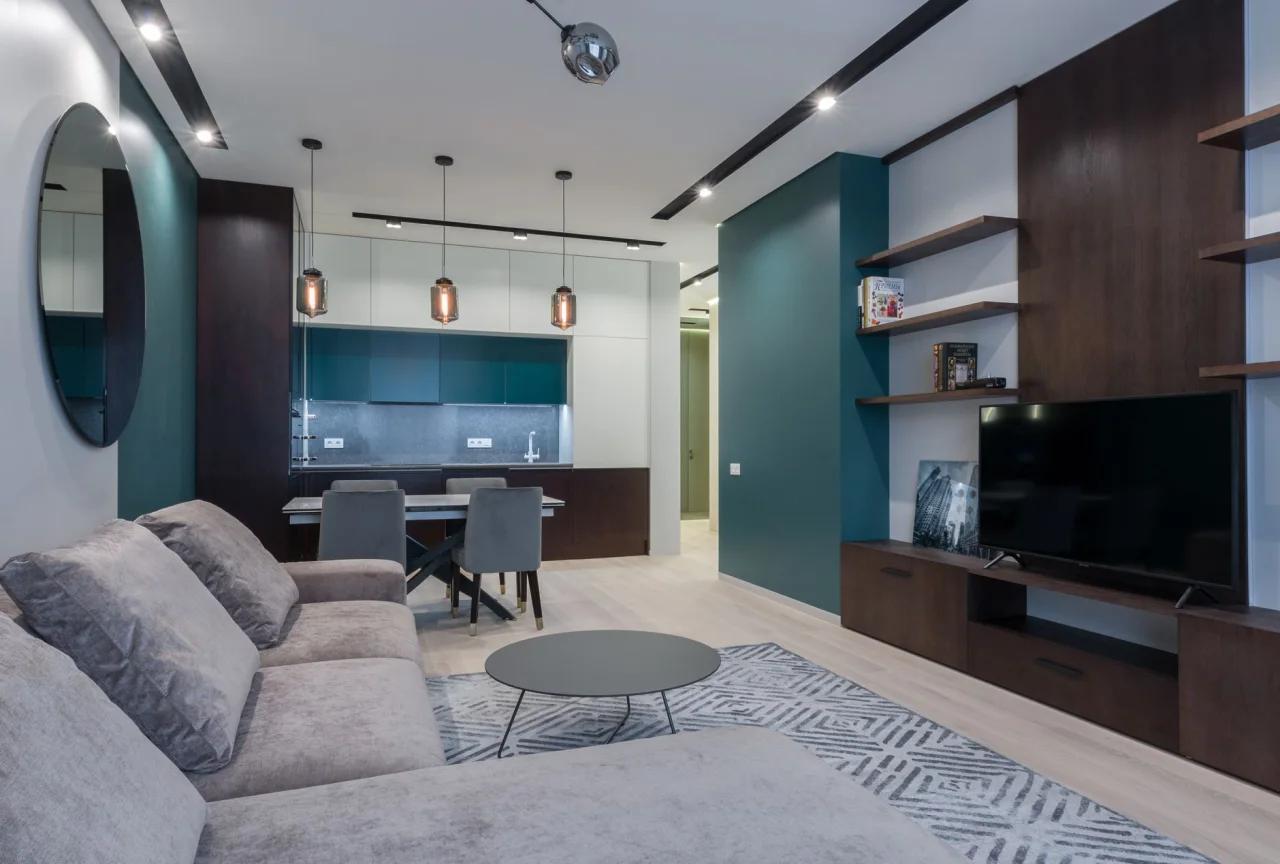
Searching for "rent in Dubai monthly" usually means one of two things: you want to know the real month by month cost of renting here, or you are hunting for a genuine monthly contract instead of the traditional annual lease. This guide covers both, with honest 2026 price bands, the hidden costs most newcomers miss, and the tenant protections that make Dubai one of the more regulated rental markets in the region.
The short version
- Most Dubai homes are still let on annual contracts paid in one to four post-dated cheques, so a "monthly" rent is usually your annual rent divided by twelve, not a true rolling lease.
- True monthly options exist, mostly furnished or short term, and cost noticeably more per month than an annual deal.
- Budget beyond the rent: a 5% Dubai housing fee on your DEWA bill, agency fee, security deposit, chiller and Ejari registration all add up.
- Every contract should be registered on Ejari, and rent increases are capped by a published RERA formula, so you have real, enforceable protections.
Monthly rent versus the annual cheque system
The single most important thing to understand about renting in Dubai is that the market is built around annual contracts. A landlord advertises a yearly figure, and you pay it in a set number of post-dated cheques, commonly one, two, four, or sometimes six or twelve. Fewer cheques usually unlocks a lower headline price, because the landlord receives the money sooner and carries less risk.
So when a portal shows a "monthly" price, it is almost always the annual rent divided across the cheques or across twelve months, not a flexible arrangement you can cancel each month. If you genuinely need a rolling monthly lease, look specifically at furnished apartments, serviced residences, and short term rental operators. These give you flexibility but charge a premium, so expect to pay more per month than an unfurnished annual let in the same building.
If you are weighing this against buying, or against renting for the long term, our wider look at renting in Dubai puts the annual model in context alongside the purchase route.
What monthly rent actually costs by area
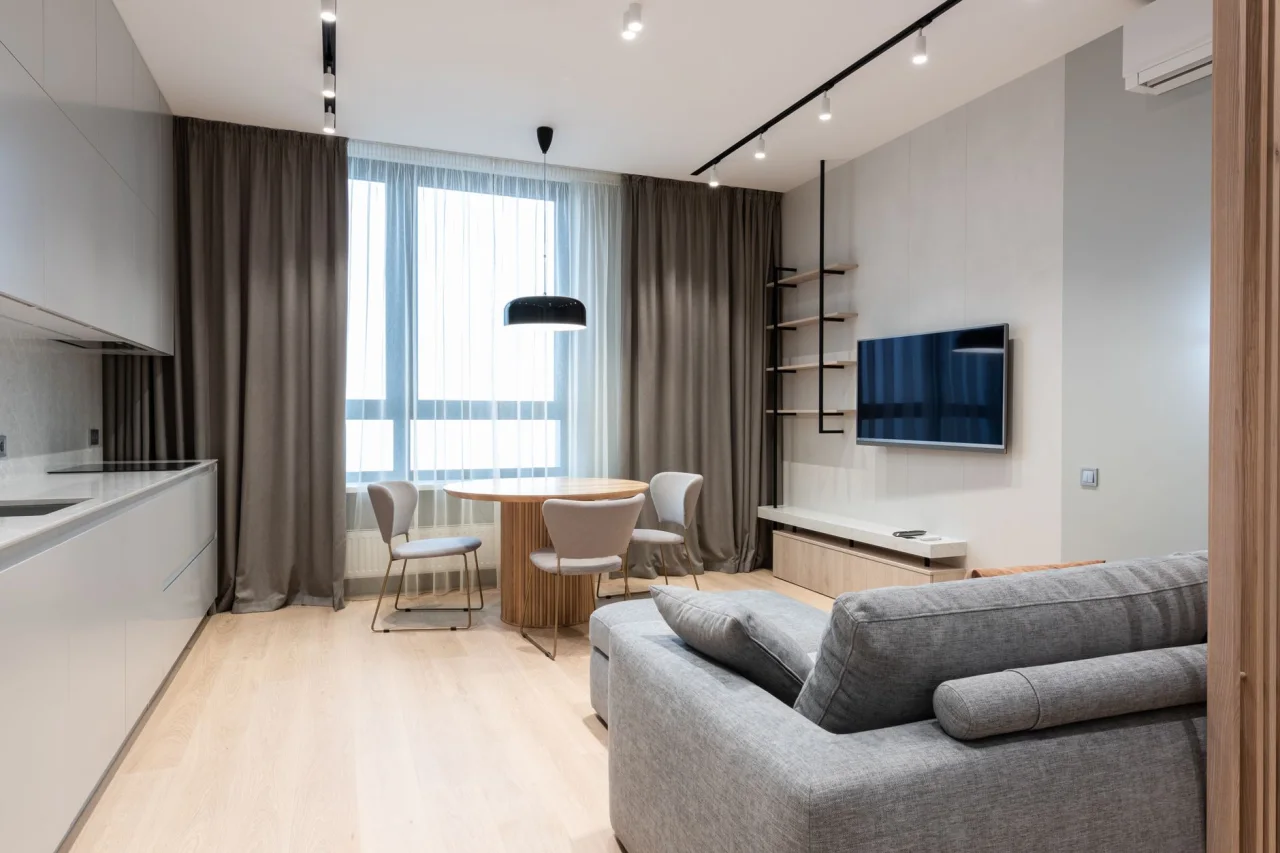
Rents move constantly with supply, handovers, and demand, so treat every figure below as a broad orientation band rather than a quote. Prices vary by tower, floor, view, furnishing, and how many cheques you offer. Always confirm current numbers with a RERA registered agent or by browsing live listings.
- Value and commuter areas such as International City, Deira, Al Nahda, Discovery Gardens, and Dubai Investment Park tend to sit at the more affordable end.
- Mid market communities such as Jumeirah Village Circle, Dubai Sports City, Al Furjan, and Business Bay studios offer a step up in finish and facilities.
- Premium districts such as Downtown Dubai, Dubai Marina, Palm Jumeirah, and Dubai Hills Estate command the highest rents for the address, views, and amenities.
As a rule of thumb, a studio is the cheapest entry point, a one bedroom costs meaningfully more, and villas or larger family homes sit well above apartments. For studio specific budgeting on a rolling basis, see our guide to a studio apartment in Dubai for monthly rent.
Tip: compare the true monthly figure
Add the housing fee, cooling, and any parking charge to the advertised rent before you compare two homes. A cheaper base rent with expensive district cooling can cost more each month than a slightly pricier all in listing.
The costs beyond the rent
The advertised rent is only part of your monthly outgoing. Plan for these extras so your budget is realistic:
- Dubai housing fee. Dubai Municipality applies a housing fee equal to 5% of your annual rent, collected in twelve monthly installments through your DEWA utility bill. On an annual rent of AED 80,000 that is roughly AED 4,000 a year, about AED 333 a month. UAE nationals are exempt.
- Agency fee. A registered broker typically charges a commission, often quoted as a percentage of the annual rent plus VAT, paid once at signing.
- Security deposit. Usually a percentage of annual rent, refundable at the end of the tenancy subject to the condition of the property.
- DEWA deposit and setup. A refundable connection deposit plus activation charges for water and electricity.
- Cooling (chiller). Some communities bill district cooling separately, which can be a significant monthly cost, especially in summer.
- Ejari registration. A modest official fee to register the contract.
Figures vary by tower, view, and market conditions, so confirm current pricing with a RERA registered agent or on the DLD and Dubai REST portal. This is general budgeting information, not financial advice.
Ejari and why registration matters
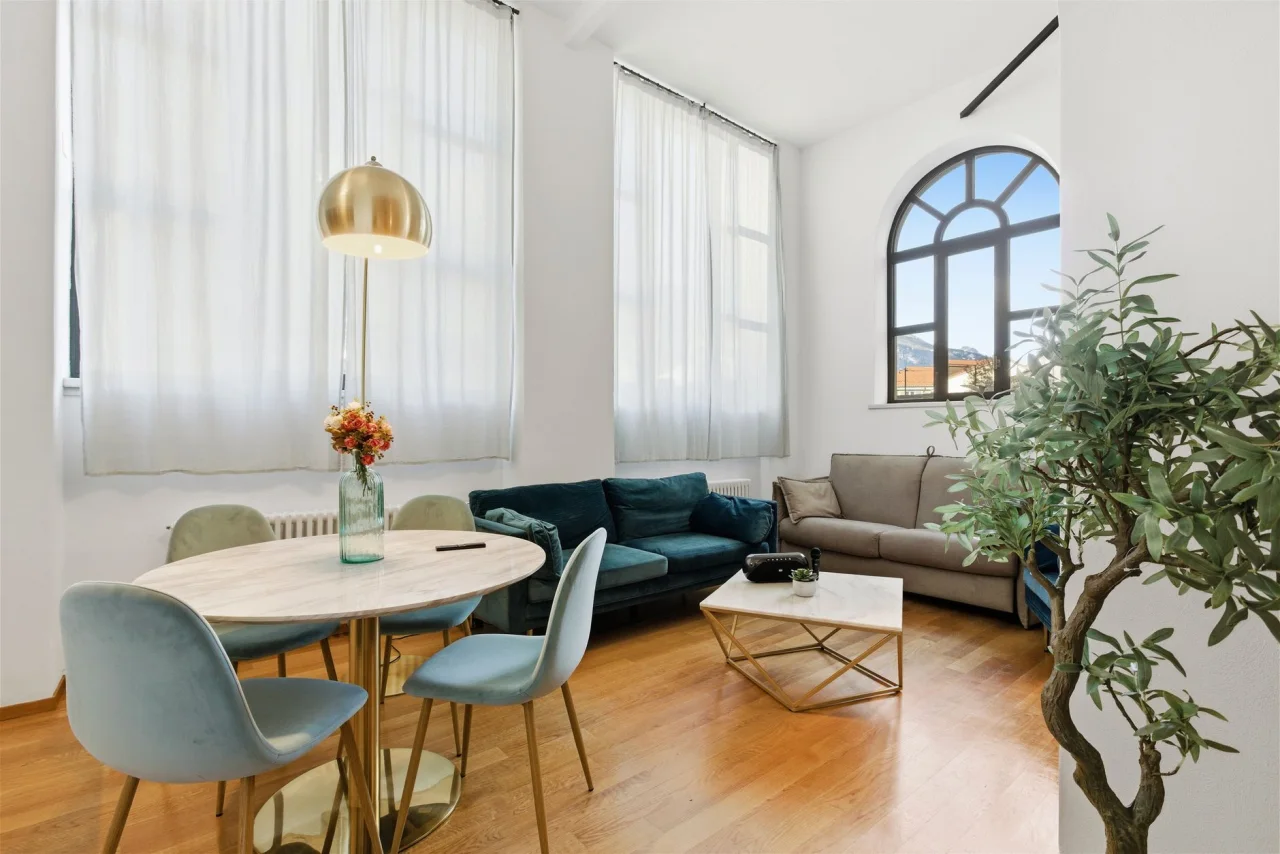
Every tenancy contract in Dubai must be registered through Ejari, the Dubai Land Department system that gives your lease legal standing. Without an active Ejari certificate you cannot open a DEWA account in your name, arrange a residence visa for family, enrol children in some schools, or reliably enforce your tenant rights. Registration can be completed through the Dubai REST or DubaiNow apps, or at approved typing and real estate service centres. You can verify how the official system works on the Dubai Land Department rental index service.
How rent increases are controlled
Dubai does not allow landlords to raise rent at will. Under Decree No. 43 of 2013, any increase at renewal is tied to how far your current rent sits below the average market rent for your area and property type, as measured by the RERA rental index:
- No increase is allowed if your rent is up to 10% below the average.
- Up to 5% if it is 11% to 20% below.
- Up to 10% if it is 21% to 30% below.
- Up to 15% if it is 31% to 40% below.
- Up to 20% if it is more than 40% below the average.
You can check the permitted figure yourself using the RERA rental increase calculator on the DLD website or in the Dubai REST app. A landlord who wants to change any term at renewal, including rent, must give you at least 90 days written notice before the contract ends. These rules are current as of 2026 and can change, so verify on the official portal before you negotiate.
Note: eviction needs a long notice
If a landlord wants you to vacate so they can sell, move in a first degree relative, demolish, or carry out major works, Dubai law generally requires 12 months notice served through a notary public or registered post. A verbal request to leave is not a valid eviction.
Tenant tips to rent smart
- Negotiate on cheques. Offering fewer cheques is often your strongest lever on price. If cash flow allows, ask what a single or two cheque deal saves you.
- Insist on Ejari. Never move in on an unregistered contract. Registration protects the rent you agreed and your deposit.
- Photograph everything at handover. Document the condition of walls, floors, and fittings so deposit deductions cannot be disputed later.
- Check the RERA index before renewing. If your landlord proposes an increase, confirm it is actually permitted for your rent level.
- Clarify who pays for cooling and maintenance. Get it in writing whether the rent is inclusive of chiller and who handles minor repairs.
- Keep records. Save the contract, receipts, and all messages. If a dispute arises, the Rental Dispute Settlement Centre at the Dubai Land Department is the official venue.
If you are comparing an apartment lease with other options, our overview of apartments for rent in Dubai and, for families, villa for rent in Dubai break down each property type. If renting is a stepping stone toward ownership, our explainer on the UAE mortgage process is a useful next read.
Frequently asked questions
Can I really rent an apartment monthly in Dubai?
Yes, but true rolling monthly leases are mostly furnished or short term rentals and cost more per month than an annual contract. Most standard homes are let annually and paid in one to four post-dated cheques, which people often describe loosely as paying monthly.
Do fewer cheques lower the rent?
Often yes. Landlords generally prefer fewer cheques because they receive the money sooner, so offering one or two cheques is a common way to negotiate a lower annual figure. The exact saving depends on the landlord and the market.
What extra costs should I budget for each month?
Beyond rent, expect the 5% Dubai housing fee collected through your DEWA bill, plus DEWA utilities and any district cooling charge. One off costs at signing include the agency fee, security deposit, DEWA deposit, and the Ejari registration fee.
How much can my landlord increase the rent?
Increases are capped by Decree No. 43 of 2013 and depend on how far your rent is below the RERA market average, ranging from no increase up to a maximum of 20%. Use the RERA rental increase calculator on the DLD website or Dubai REST app to check your specific case.
Is Ejari registration compulsory?
Yes. Registering your tenancy through Ejari is required and gives your contract legal standing. It is also needed for DEWA connections, family visas, and school enrolment, so never move in on an unregistered lease.
More guides on Renting in UAE
Have a question or a topic to suggest?
We read every message. Tell us what you would like to see next on the blog.
Get in touchYou may also like
Rent in Dubai: 2026 Cost Guide
What it really costs to rent in Dubai in 2026: budgeting, the full cost stack beyond rent, prices by area, cheque plans and your tenant protections.
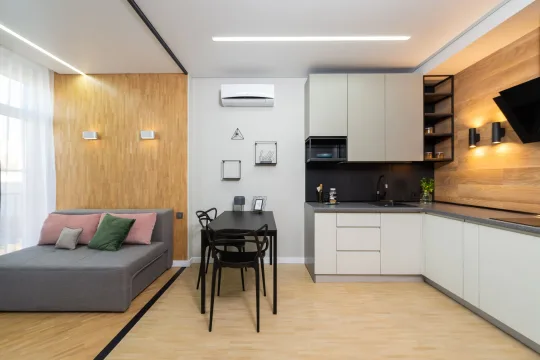
Studio in Dubai for Monthly Rent
How monthly studio rentals work in Dubai: the difference between a short term furnished let and an annual lease paid monthly, best value areas and your Ejari protections.

Villa for Rent in Dubai (2026)
Best communities, honest price bands and the extra costs of renting a villa in Dubai in 2026, plus Ejari, RERA rent caps and practical tenant tips.