Market & Returns · Investment & Market
Investing in Dubai: Returns and Risks
Rental yield versus capital growth, indicative yields by segment, the risks that erode returns, and how to check real numbers on the DLD portal.
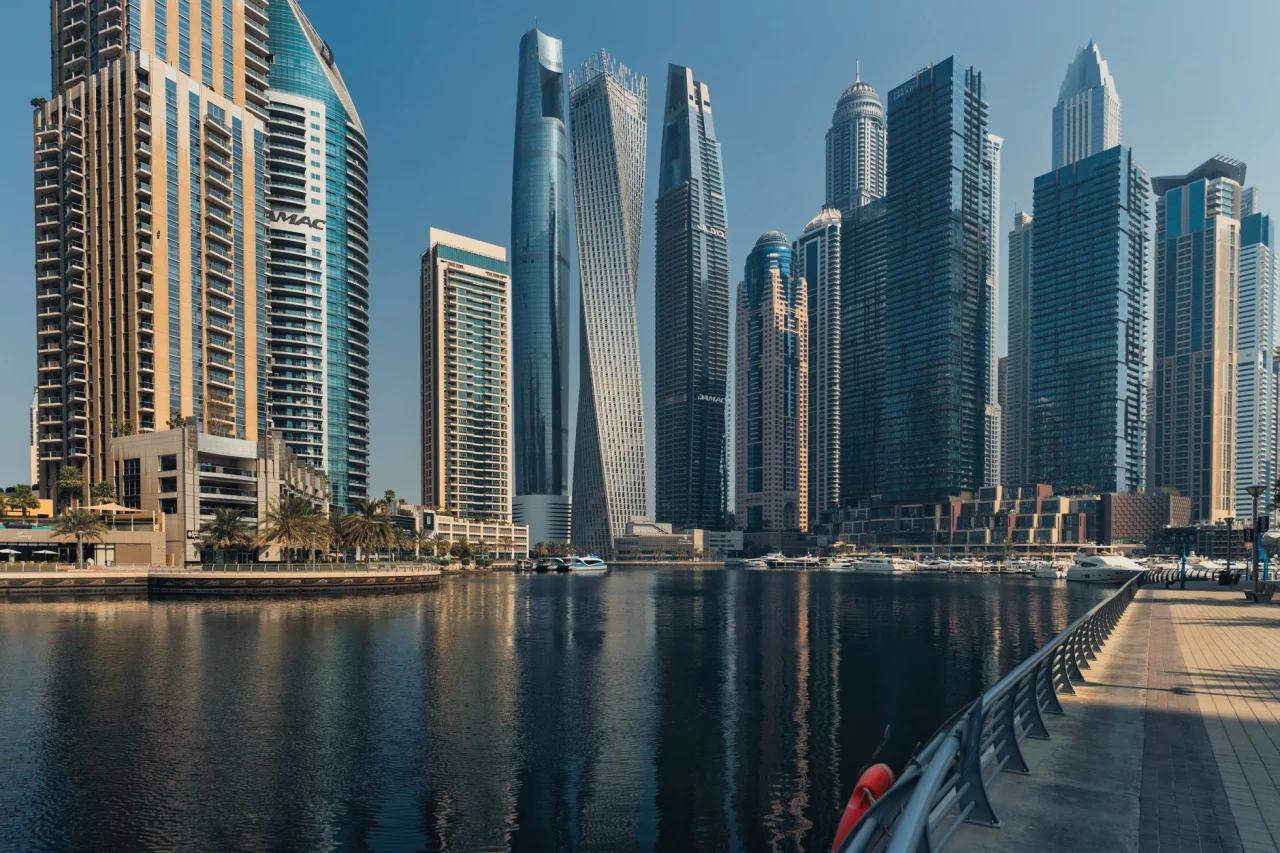
Dubai's property market draws investors with the promise of no annual property tax, deep rental demand and a path to residency. But strong returns come with real risks, and the difference between a good and a poor investment is usually in the details. This 2026 guide sets out how returns work, where the risks hide, and how to think about where to put your money, with honest ranges rather than invented numbers.
The short version
- Dubai offers foreign freehold ownership in designated zones, no annual property tax, and rental yields that are competitive by global-city standards.
- Returns come in two forms: rental yield (income) and capital growth (price change). Both vary widely by area, building and cycle.
- Key risks include off-plan delivery risk, service charges eating into yield, oversupply in some segments, and currency and liquidity considerations.
- Every figure here is an indicative range. Confirm current prices, rents and yields with a RERA-registered agent and on the DLD and Dubai REST portals.
How returns actually work in Dubai
Two things drive a property investment return. The first is rental yield, the annual rent as a percentage of the purchase price, which is your income. The second is capital growth, the change in the property's value over time, which you realise on sale. A headline "yield" advertised online is usually gross, before service charges, agency fees, vacancy periods and maintenance. Your net yield, what you actually keep, is lower and is what you should base decisions on.
Dubai's appeal on the income side is that it has no annual property tax and generally higher gross yields than many mature global cities. On the growth side, the market is cyclical, so timing, area and unit selection matter a great deal. Do not assume a straight line up.
Indicative yields by segment
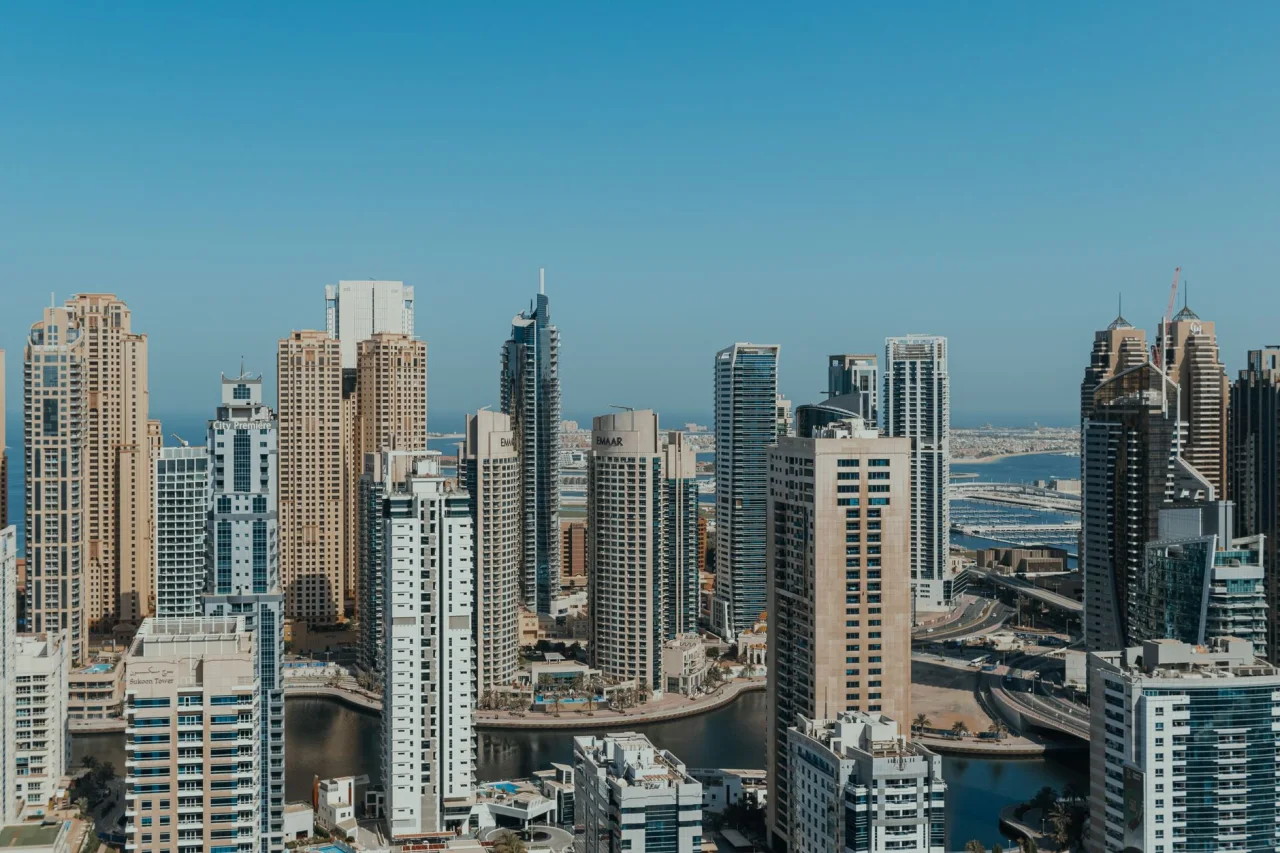
The table below gives broad, indicative gross-yield ranges by property type. These are illustrative ranges to frame expectations, not quotes. Actual figures vary by area, building, view, fit-out and market conditions, and change over time.
| Segment | Typical role in a portfolio | Indicative gross yield range |
|---|---|---|
| Studios and 1-bed apartments in high-demand districts | Income focus, higher yield, higher tenant turnover | Generally among the higher-yielding options |
| 2 to 3-bed apartments in established communities | Balance of income and stability | Mid-range yields |
| Villas and townhouses | Capital growth and family demand, lower gross yield | Generally lower gross yields |
| Prime waterfront and trophy assets | Capital preservation and prestige | Typically the lowest gross yields |
The pattern to internalise: smaller units in busy districts tend to yield more but turn over more often, while villas and prime assets trade income for stability and growth potential. Verify the actual current yield for any target unit on the Dubai REST app and with a RERA-registered agent.
Where investors commonly look
Rather than name a "best" area, which changes with the cycle, think in terms of what each type of location offers:
- Established apartment districts tend to offer higher gross yields and deep rental demand, at the cost of more competition and turnover.
- Master-planned villa communities such as Dubai Hills Estate attract families and lean toward capital growth over headline yield.
- Emerging masterplans such as Palm Jebel Ali carry more delivery and timing risk in exchange for early-entry potential.
To go deeper on the buying mechanics, see our guide to buying property in Dubai, and if you are weighing off-plan, read off-plan in Dubai.
The risks you must price in

Honest investing means naming the downside. The main risks in Dubai property include:
- Off-plan delivery risk. A project can be delayed or, rarely, stalled. Buy only where the developer escrow account is properly registered and check the developer's handover record.
- Service charges. These vary significantly by building and directly reduce net yield. A high gross yield can shrink fast after charges.
- Supply cycles. New supply in a segment can soften rents and prices. Understand the pipeline in your target area.
- Liquidity. Selling is not instant. Well-known communities usually re-sell faster than niche products.
- Currency and financing. If you earn in another currency or borrow, factor exchange-rate and interest-rate movements.
Tip: model net, not gross
Before you buy, build a simple net-yield model: annual rent, minus service charges, minus an allowance for vacancy and maintenance, minus management fees. The resulting net figure is your real income return. Compare units on net, not on advertised gross.
Ownership, residency and the rules
Foreign nationals can own freehold property in Dubai's designated freehold zones, and qualifying investment can support a long-term residency application. The specifics, including freehold eligibility for a given plot and Golden Visa thresholds, are set by the authorities and change over time. Confirm your ownership type on the Dubai Land Department portal, and for the residency side see our guide to the General Directorate of Residency and Foreigners Affairs. This is general information, not personalised financial, tax or legal advice.
Exit planning
A good investment has a plausible exit before you buy it. Ask: who is the likely future buyer or tenant for this unit, how deep is that demand, and what would I net after DLD fees and agency costs on sale? Prime and mainstream communities generally offer clearer exits than highly specialised units. Building this in from the start protects you far more than chasing the highest advertised yield.
Ready versus off-plan: matching to your goals
One of the first strategic choices is whether to buy a ready property or off-plan. Each suits a different investor:
- Ready property gives immediate rental income and a known, inspectable product, at a higher upfront cost. It suits investors who want cash flow from day one and dislike delivery uncertainty.
- Off-plan can offer staged payment plans and early-entry pricing, but you wait for handover and carry delivery risk. It suits investors with a longer horizon who can tolerate timing uncertainty and who buy only into projects with properly registered escrow.
Neither is inherently superior. The right answer depends on your cash flow, risk tolerance and time horizon. If you lean off-plan, read our detailed off-plan buyer's guide and verify escrow registration before paying anything.
Diversification and position sizing
Property is a large, illiquid, concentrated asset, so how much of your wealth you commit matters as much as which unit you pick. A few principles worth keeping in mind:
- Do not overcommit. Keep a cash buffer for vacancy periods, maintenance and unexpected charges rather than stretching to the maximum purchase you can afford.
- Spread demand drivers. If you build a portfolio, mixing unit types and areas reduces reliance on a single tenant pool or micro-market.
- Mind the cycle. Dubai's market moves in cycles, so avoid assuming that recent price movements continue in a straight line.
- Plan for currency. If your income is in another currency, exchange-rate swings affect both your entry cost and your realised returns.
Sound position sizing will protect you through a soft patch far better than an optimistic yield forecast ever could.
Frequently asked questions
Does Dubai charge annual property tax?
Dubai does not levy an annual property tax, which is part of its appeal to investors. You should still budget for one-off costs such as the DLD transfer fee and agency fees, and for ongoing service charges, which vary by building and reduce your net yield.
What rental yield can I expect in Dubai?
Yields vary widely by segment. Smaller apartments in high-demand districts tend to offer higher gross yields, while villas and prime assets generally yield less but may offer more stability or growth. Any advertised yield is usually gross, so model the net figure after service charges and vacancy, and verify current numbers on the Dubai REST app.
Can foreigners own property in Dubai?
Yes, foreign nationals can own freehold property in Dubai's designated freehold zones, though eligibility depends on the specific plot. Confirm the ownership type for your target unit on the Dubai Land Department portal and with a RERA-registered agent before committing.
What are the biggest risks of investing in Dubai property?
The main risks are off-plan delivery risk, service charges reducing net yield, supply cycles softening rents or prices, liquidity when you come to sell, and currency or financing costs. Pricing these in, rather than focusing only on headline yield, is the core of a sound decision.
Is off-plan or ready property better for investment?
Neither is universally better. Off-plan can offer staged payments and early-entry pricing but carries delivery and timing risk, while ready property gives immediate rent and a known product at a higher entry cost. Match the choice to your risk tolerance and cash flow, and verify escrow registration for any off-plan purchase.
Sources and further reading: the official Dubai Land Department portal for transaction and rental-index data, and the UAE government's residence visas overview on u.ae.
More guides on Investment & Market
Have a question or a topic to suggest?
We read every message. Tell us what you would like to see next on the blog.
Get in touchYou may also like

Dubai Investment Park First: A Guide
Dubai Investment Park First (DIP 1) is the western half of a large mixed-use zone. Here is what it offers investors, indicative yields by segment, the risks, and how to verify prices in 2026.

Buy Property in Dubai: 2026 Guide
A 2026 buyer's guide to purchasing property in Dubai: who can buy freehold, the fees beyond the price, financing, the step-by-step process and the pitfalls to avoid.

Off-Plan Dubai: 2026 Buyer Guide
A 2026 guide to buying off-plan in Dubai: what off-plan means, how project escrow and RERA safeguard your payments, Oqood registration, payment plans and fees, and the developer due diligence that matters most.