Investment Guide · Investment & Market
Invest in Dubai Real Estate 2026
How returns really work in Dubai property: yields, growth, costs and risks, without the hype.
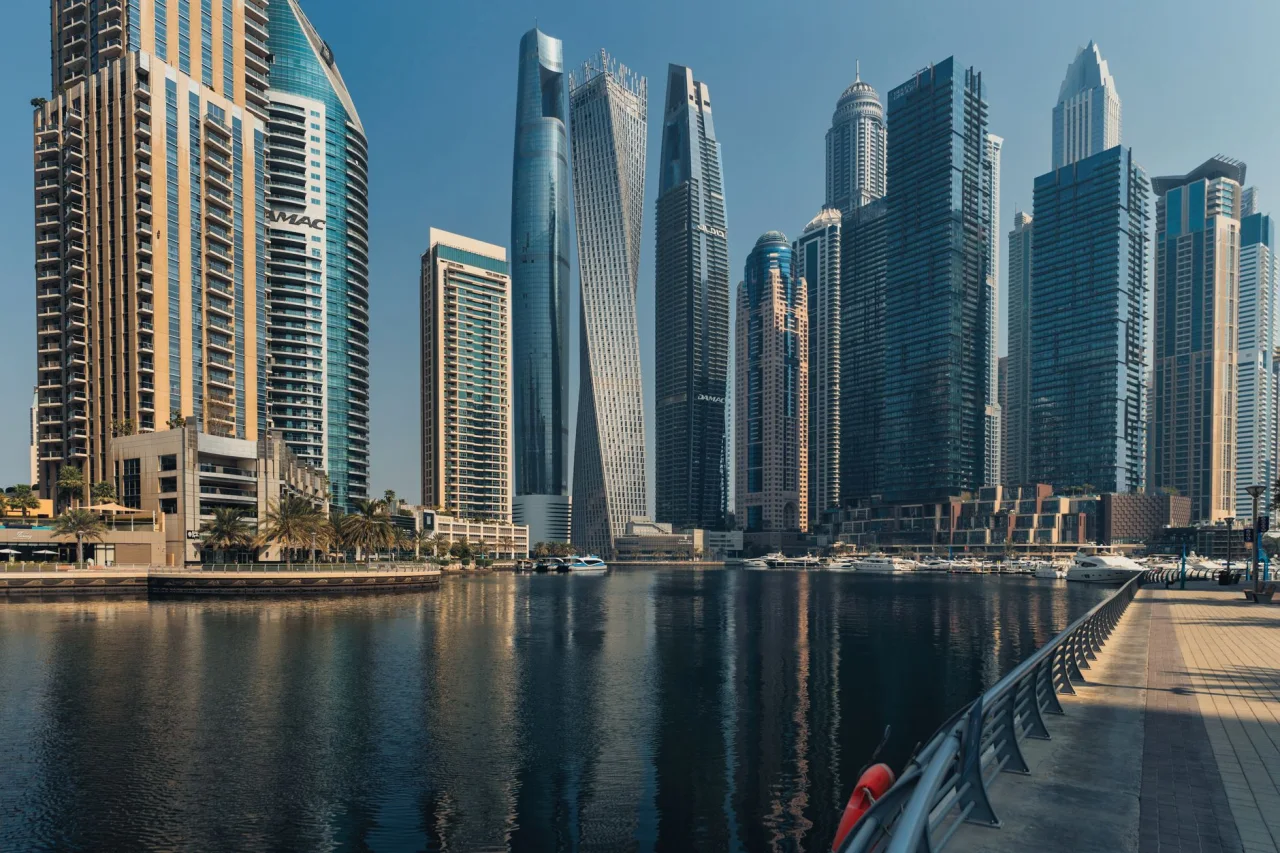
Investing in Dubai real estate is popular for good reasons: freehold ownership for foreigners, no annual property tax, a currency pegged to the US dollar, and a deep rental market. It is not a guaranteed win, though, and the difference between a good and a poor outcome usually comes down to what you buy, where, and at what price. This 2026 guide sets out the returns, the risks, and how to think about where to put your money, in plain terms and without hype.
The short version
- Returns come from two sources: rental yield (annual rent versus price) and capital growth (the price rising over time). Both vary widely by area and cycle.
- Dubai has no annual residential property tax, but you do pay a one-off 4 percent DLD transfer fee and ongoing service charges that eat into net yield.
- A property worth AED 2 million or more on the title deed can support a 10-year Golden Visa, a common secondary motive for buyers.
- Treat every yield and price figure as a range that shifts with the market. Confirm current numbers with a RERA-registered agent and on the DLD or Dubai REST portals before you commit.
How you actually make money in Dubai property
There are only two engines of return, and it helps to keep them separate in your head. The first is rental yield: the annual rent a property earns divided by what you paid for it, usually quoted before costs as a gross figure. The second is capital growth: the change in the property's value between buying and selling. A strong investment normally leans on one of these more than the other, and a realistic plan states which one you are relying on.
Gross yield is easy to overstate because it ignores costs. Your net yield, what you keep, is lower after service charges, maintenance, agency and management fees, and any vacant periods between tenants. When you compare two properties, compare net yields on the same basis, not headline gross numbers from an advertisement.
Rental yields by segment, as ranges
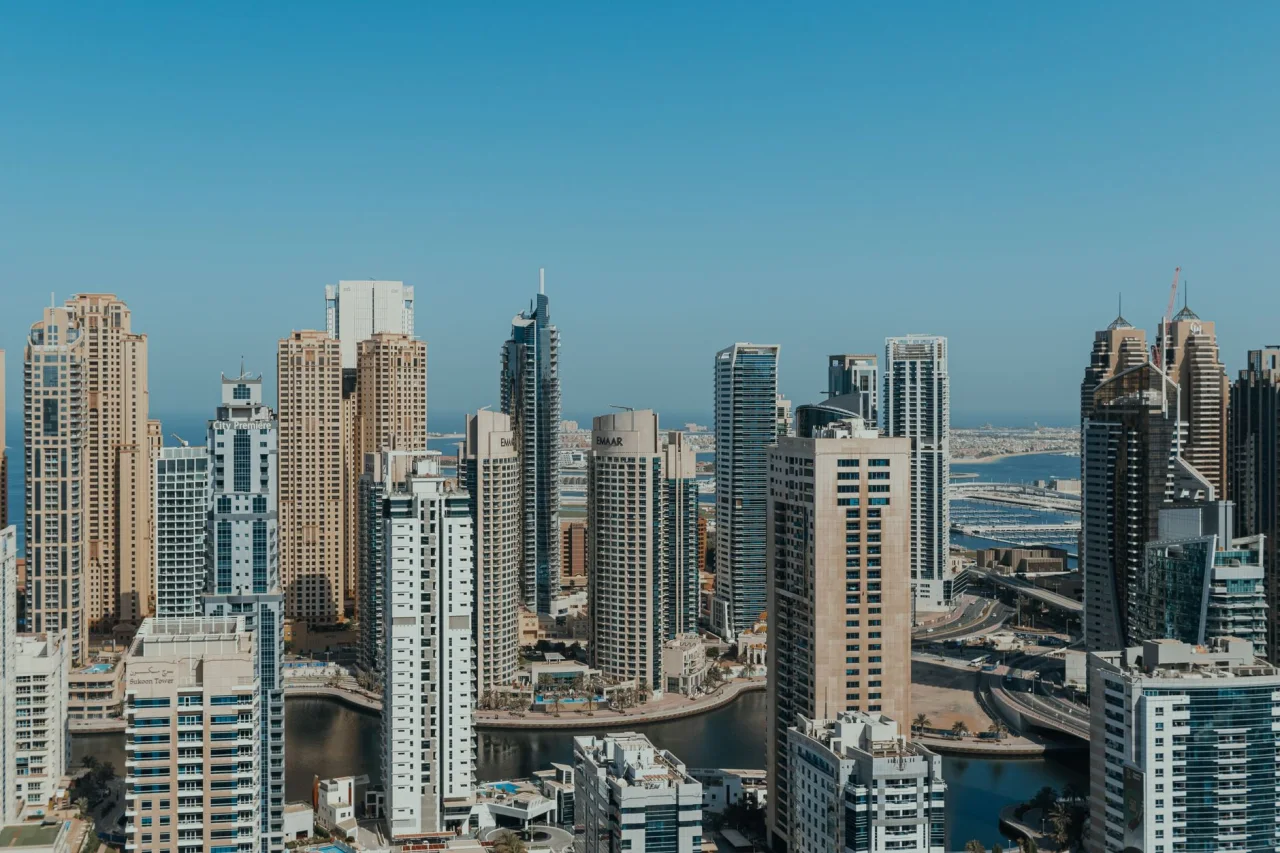
Yields are not fixed and they move with supply, demand and the wider cycle, so use the following only as a rough map of how segments tend to compare, not as a promise. As a general pattern in Dubai:
- Studios and smaller apartments in mid-market and outer communities often show the highest gross yields, because the price is low relative to the rent they command.
- One and two bedroom apartments in established districts tend to sit in the middle on yield, with steadier tenant demand.
- Townhouses and villas usually show lower gross yields but attract long-staying family tenants and can lead on capital growth in sought-after communities.
- Prime and beachfront homes are bought more for lifestyle and capital preservation than for yield, so their rental returns are often the thinnest.
Because these figures vary by tower, view, community and market conditions, confirm current pricing and rents with a RERA-registered agent or on the DLD and Dubai REST portals. Our guides to apartment rents in Dubai and studio rents give a sense of the income side of the equation before you buy.
Note: This is general information, not personalised financial advice. Rental returns, prices and rules change over time and no return is guaranteed. For a decision involving significant money, confirm the current position with a RERA-registered agent and a licensed financial advisor.
Capital growth: the honest picture
Prices in Dubai move in cycles, with periods of strong growth and periods of correction. That is normal for a real estate market, and it means the price you pay and how long you hold matter more than any single year's headline. Buying near a peak and selling into a dip can wipe out several years of rental income, while a well-timed, well-located purchase held for the long term has historically done better.
No one can reliably call the top or bottom of a cycle. The sensible defences are to buy quality in a location with genuine demand, to avoid overpaying, and to hold long enough that short-term swings matter less. If you might need to sell quickly, factor in that liquidity varies: mainstream apartments generally sell faster than niche or ultra-prime homes.
Where to put your money: matching goal to segment
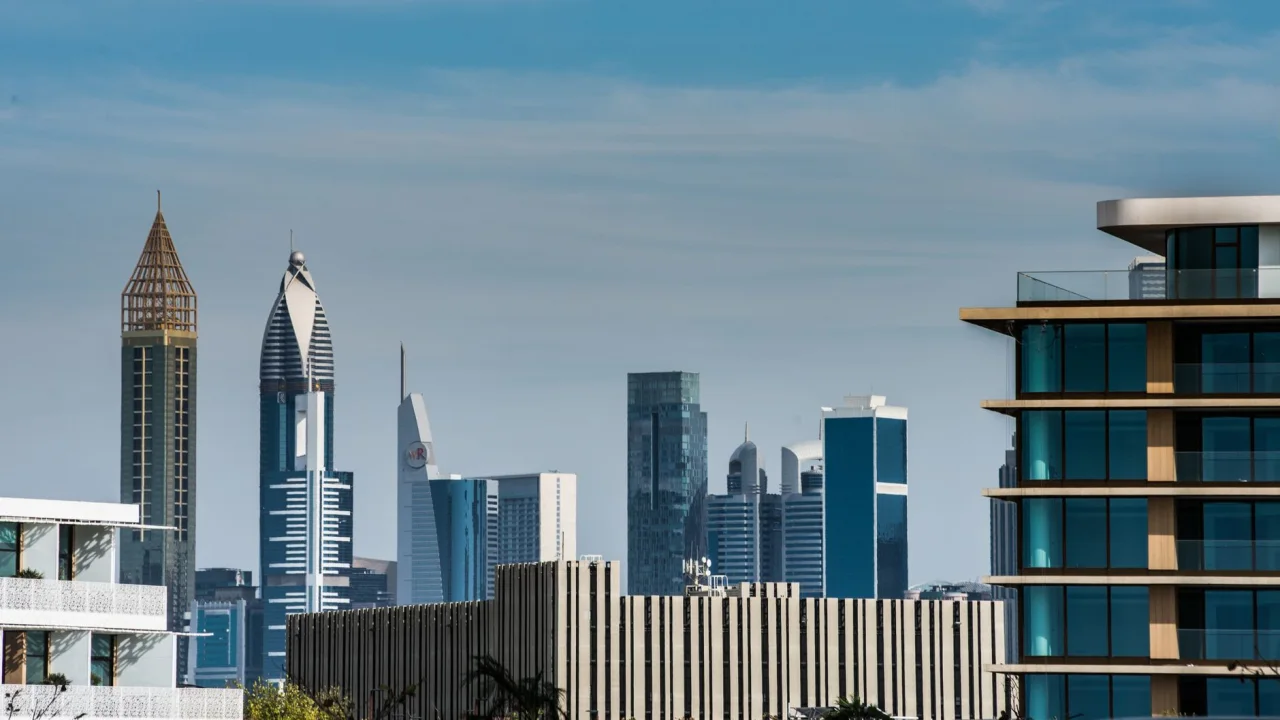
The right property depends on what you want from it. A few common investor profiles:
- Income-focused: a studio or one bedroom in a high-demand, mid-market community, chosen for yield and easy letting. See our studio buying guide.
- Growth-focused: a townhouse or villa in an established family community such as Arabian Ranches, where owner-occupier demand supports values.
- Balanced: a well-located apartment in a district with both rental demand and long-term development plans.
- Off-plan buyers: those willing to trade construction risk for staged payments and a lower entry price, covered in our off-plan Dubai guide.
There is no single best area. The community that suits an income investor may be wrong for someone chasing growth, so start from your own goal and work outwards.
The costs that shrink your return
Investors often model the purchase price and the rent, then forget the costs in between. Build these in from the start:
- Buying costs of roughly 6 to 8 percent one-off, led by the 4 percent DLD transfer fee, plus agency commission of about 2 percent and VAT, and registration fees.
- Service charges paid annually to maintain shared areas, which vary a lot between buildings and directly reduce net yield.
- Management and re-letting fees if you use an agent to run the tenancy.
- Void periods when the property sits empty between tenants and earns nothing.
Dubai does not charge an annual property tax on residential ownership, which helps, but the costs above are real and recurring. Ask for the exact service charge on any specific unit rather than assuming a market average.
Regulation, residency and your exit
Dubai's market is overseen by the Dubai Land Department and its regulatory arm RERA, which register transactions, supervise developer escrow accounts for off-plan, and publish rental and service-charge indices. You can verify a title deed, check a project and review the rental index through the official Dubai Land Department portal or the Dubai REST app. Dealing only with RERA-registered brokers and verifying everything officially is your first line of defence against fraud.
Many investors also value the residency angle. A property with a title-deed value of AED 2 million or more is a widely used route to a renewable 10-year Golden Visa, and as of 2026 mortgaged and off-plan homes can qualify where the certified value meets the threshold. Rules change, so confirm current eligibility on the official UAE Golden Visa page and our Golden Visa requirements guide. Finally, plan your exit before you buy: know who your future buyer or tenant is, and keep enough reserve to hold through a slow patch rather than being forced to sell at the wrong time.
Tip: Before committing, read a broad market overview alongside this one. Our Dubai property investment guide and investing in Dubai overview cover the same ground from different angles, which is a useful cross-check.
Frequently asked questions
What rental yield can I expect from Dubai property?
Yields vary widely by segment and cycle. As a general pattern, smaller apartments and studios in mid-market areas tend to show higher gross yields, while townhouses, villas and prime homes usually yield less but may lead on capital growth. Always compare net yields after service charges and costs, and confirm current figures with a RERA-registered agent rather than relying on advertised gross numbers.
Is Dubai real estate a safe investment?
Dubai has a well-regulated market with freehold ownership for foreigners and no annual property tax, which lowers some risks of buying abroad. However, prices move in cycles and no return is guaranteed. The main protections are buying quality in a location with real demand, not overpaying, holding for the long term, and keeping a financial reserve.
Do I pay tax on rental income in Dubai?
Dubai does not levy an annual property tax on residential ownership and has historically not taxed individual rental income. Your costs are service charges, maintenance, and one-off buying fees led by the 4 percent DLD transfer fee. Tax rules can change and your home country may tax the income, so confirm your position with a licensed advisor.
Should I buy ready or off-plan to invest?
Ready property earns rent immediately and lets you inspect the actual unit, while off-plan offers a lower entry price and staged payments but carries construction and delivery risk. The better choice depends on your cash flow and appetite for risk. For off-plan, verify the project is registered and that payments go into a DLD-supervised escrow account.
How much money do I need to start investing?
Beyond the purchase price, budget roughly 6 to 8 percent for one-off costs, plus a reserve for service charges and any void periods. If you use a mortgage, you also need a down payment set within the Central Bank framework. Entry points differ hugely by segment, so build your budget around a specific target property, not a market average.
More guides on Investment & Market
Have a question or a topic to suggest?
We read every message. Tell us what you would like to see next on the blog.
Get in touchYou may also like
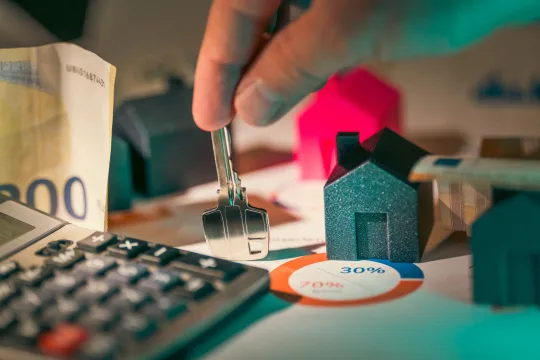
Dubai Property Investment 2026
How Dubai property makes money, the yields and risks by segment, and a sober framework for deciding where to invest, without hype or invented numbers.
Investing in Dubai: Returns and Risks
How property returns really work in Dubai: rental yield versus capital growth, indicative yields by segment, the risks to price in, and how to verify figures before you invest in 2026.

Off-Plan Dubai: 2026 Buyer Guide
A 2026 guide to buying off-plan in Dubai: what off-plan means, how project escrow and RERA safeguard your payments, Oqood registration, payment plans and fees, and the developer due diligence that matters most.