Abu Dhabi Guide
Louvre Abu Dhabi Saadiyat Guide
Living beside the museums of Saadiyat: the Cultural District, nearby communities, lifestyle and buying tips.
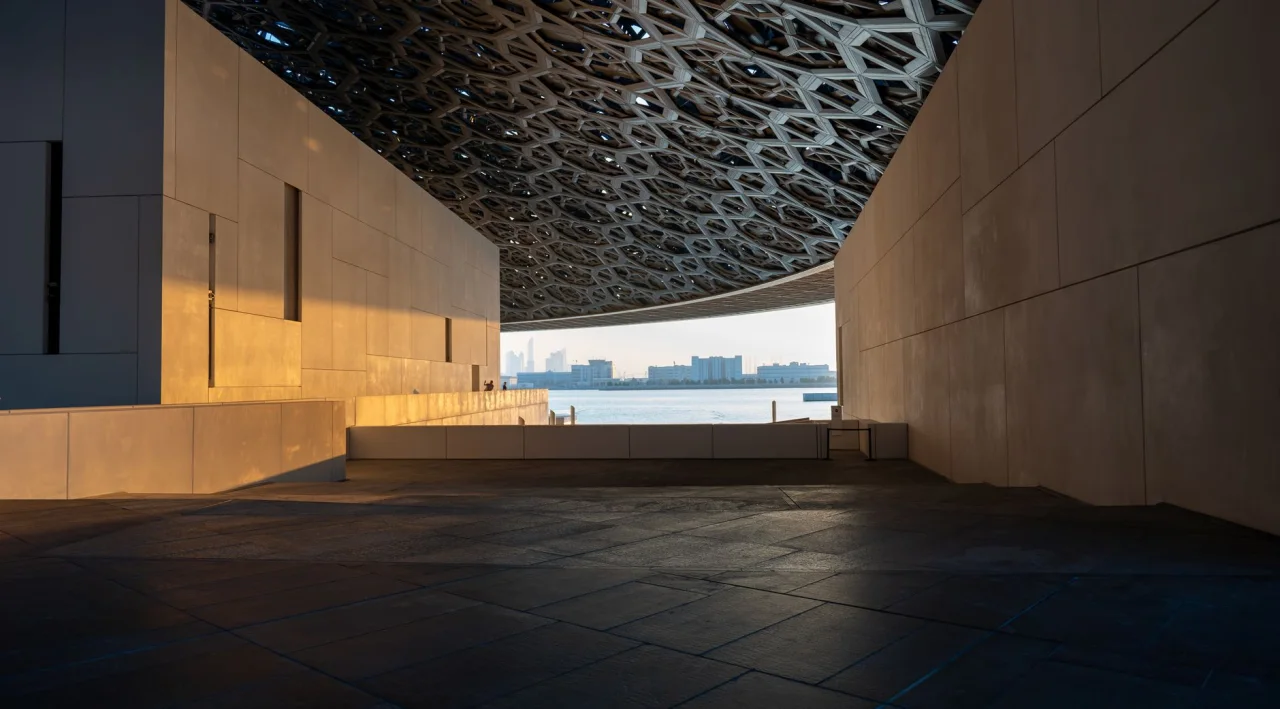
Living near the Louvre Abu Dhabi means living in the Saadiyat Cultural District, the museum quarter at the heart of Saadiyat Island. This guide covers what it is like to live in this part of Abu Dhabi in 2026: the cultural landmarks, the residential options nearby, the lifestyle, and the practical points to weigh before you rent or buy.
The short version
- The Louvre Abu Dhabi opened in November 2017 on Saadiyat Island, designed by Jean Nouvel, and anchors the Saadiyat Cultural District.
- The district groups several museums and institutions, so homes nearby offer a rare combination of beach, culture and greenery within minutes of downtown Abu Dhabi.
- There is no housing inside the museum itself; residents live in nearby Saadiyat communities such as the beachfront and villa districts a short distance away.
- Prices and rents vary by community, view and property type, so treat any single figure as indicative and confirm current numbers with a licensed agent or on the official Abu Dhabi portals.
The Louvre Abu Dhabi and the Saadiyat Cultural District
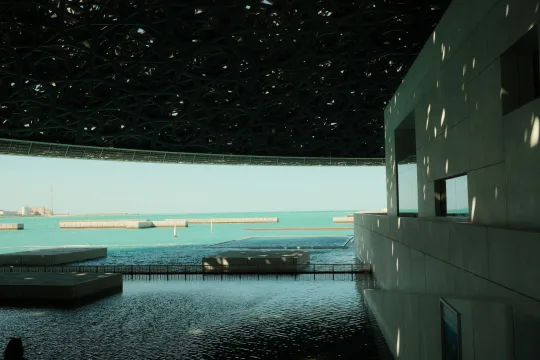
The Louvre Abu Dhabi opened on 8 November 2017 and was designed by the French architect Jean Nouvel, whose vast latticed dome creates the museum's signature filtered light. It is an art museum, described as the largest in the Arabian Peninsula, and it sits within the Saadiyat Cultural District at the western end of Saadiyat Island. The district is Abu Dhabi's dedicated museum quarter, and living nearby puts world-class culture on your doorstep rather than a long drive away.
The Louvre is no longer alone. The Saadiyat Cultural District has grown to include the Zayed National Museum and the Natural History Museum Abu Dhabi, both of which opened in late 2025, the teamLab Phenomena digital art museum, and the future Guggenheim Abu Dhabi, a Frank Gehry design under construction. Manarat Al Saadiyat and the Abrahamic Family House add further cultural and community anchors. For deeper visitor context, read our Louvre Abu Dhabi visitor guide and property outlook, and our overview of the Guggenheim Abu Dhabi.
Where Saadiyat Island sits
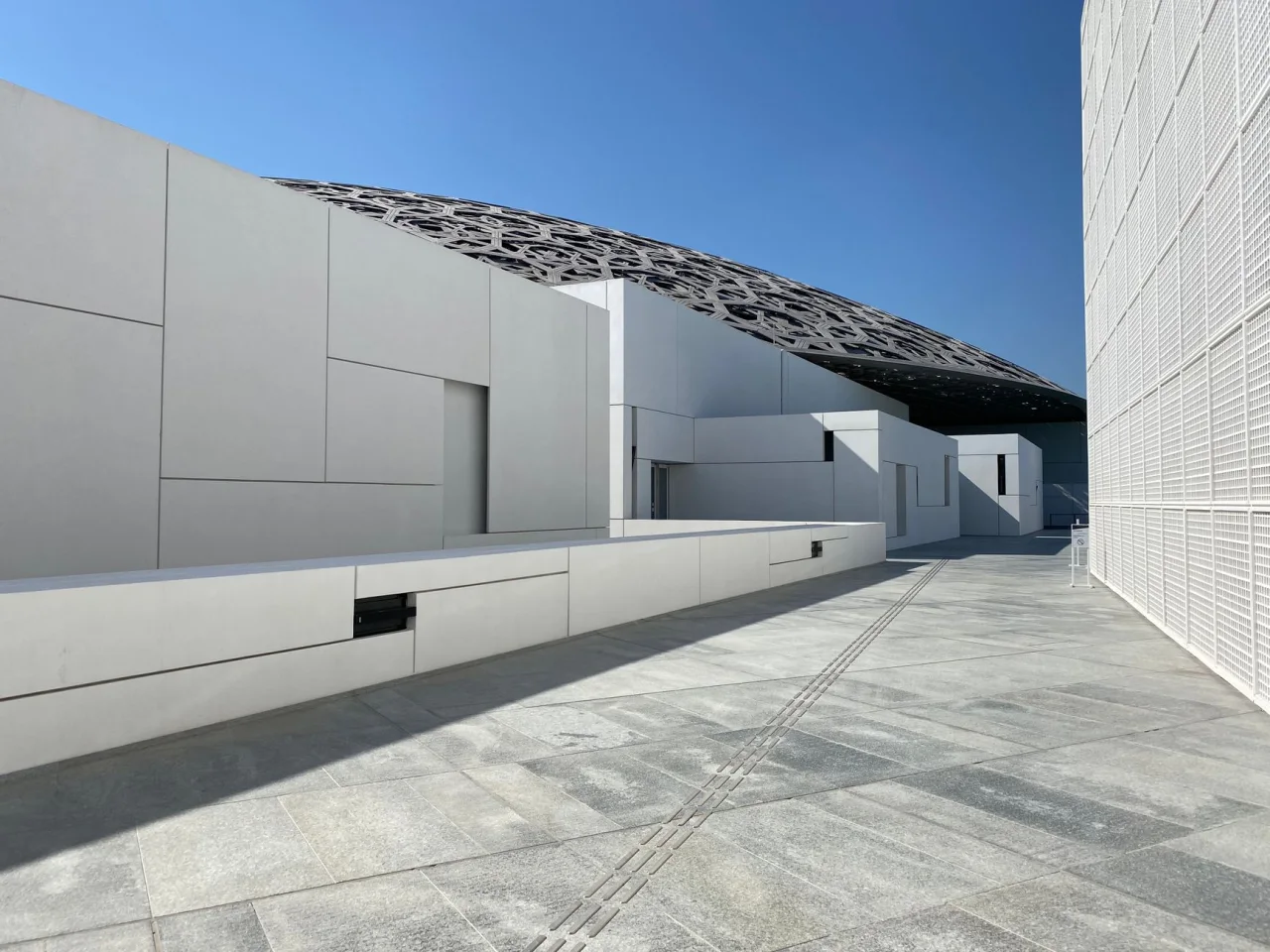
Saadiyat Island is a natural island lying around 500 metres off the coast of Abu Dhabi, its name translating as the Island of Happiness. It is a large mixed-use development covering roughly 27 square kilometres, planned across several districts and designed to accommodate a substantial resident population over time. It is only a few minutes from downtown Abu Dhabi by road, close to the airport, and about an hour from Dubai, which gives residents an unusual mix of island calm and city access.
The Cultural District occupies the western end of the island, while beaches, golf, residential communities and hotels fill the rest. That layout means people who live near the Louvre are also near protected beaches and green space. For the island as a whole, see our guide to living on Saadiyat Island.
Where you actually live near the Louvre
There is no residential accommodation inside the museums themselves, so living near the Louvre means choosing one of the Saadiyat communities a short distance away. The main options include:
- Beachfront apartment living close to the Cultural District, such as the Mamsha Al Saadiyat promenade
- Villa communities set back from the beach, offering family homes and larger plots
- Newer lagoon and garden communities on other parts of the island
Each has a different feel and price point. For beachfront apartments near the culture and sea, read our guide to Mamsha Al Saadiyat. For villa living, see our guide to Hidd Al Saadiyat. Buyers comparing apartments across the emirate can also read our Abu Dhabi apartment buyer's guide.
Lifestyle: culture, beach and calm
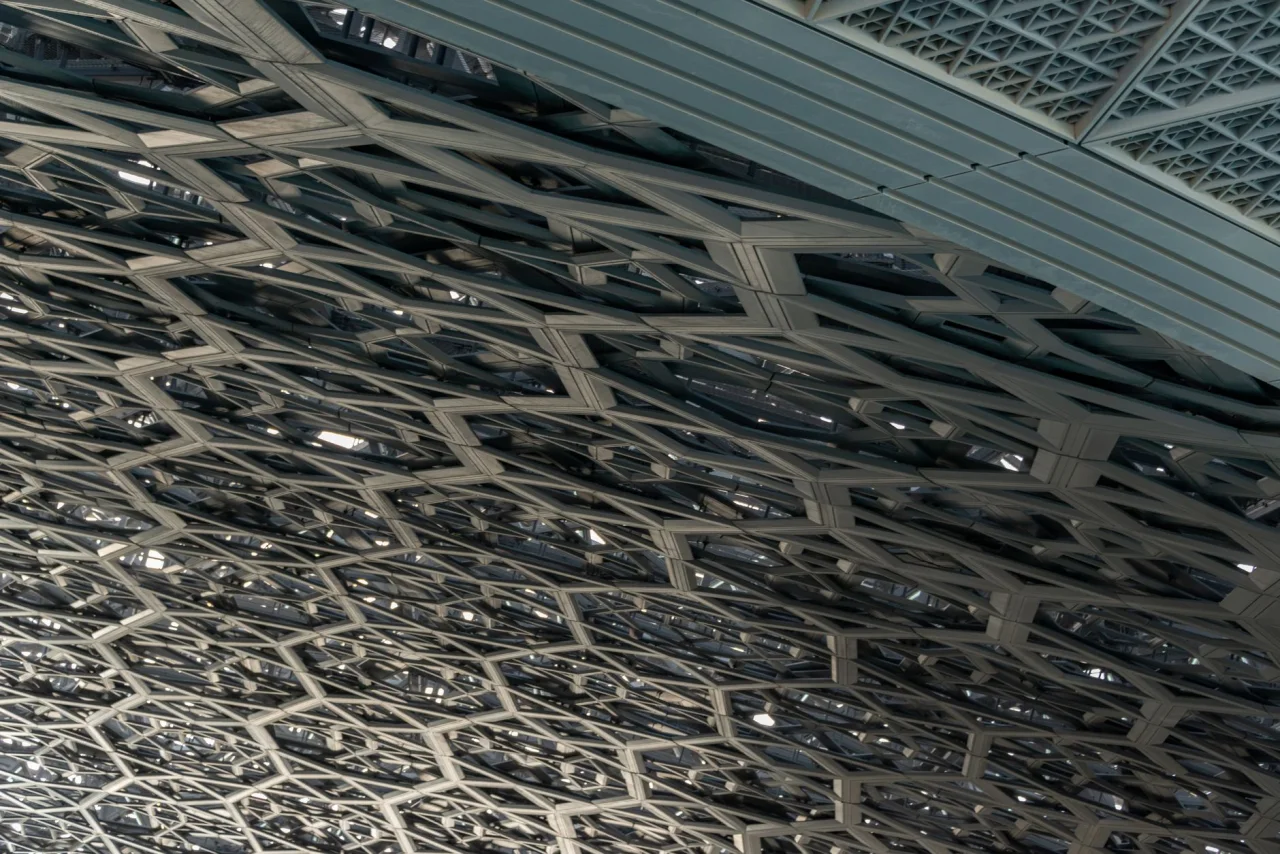
The appeal of living near the Louvre is a lifestyle that blends culture, coast and low density. Within a short distance residents can reach:
- The cluster of museums and galleries in the Cultural District
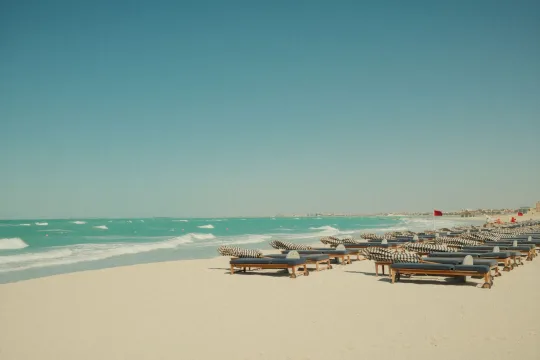
- Protected public and hotel beaches along the Saadiyat coast
- Golf, waterfront dining and resort facilities
- Cafes, community retail and event spaces such as Manarat Al Saadiyat
This is a quieter, more considered environment than the dense high-rise districts of the city, which is a large part of the draw for families and culturally minded residents. It suits people who value walkable culture and beach access over nightlife and central bustle.
Buyer tip
Near the Cultural District, proximity to the museums, the beach and the promenade drives both price and enjoyment. Confirm the exact walking distance to the Louvre and the sea, the view, and the service charge before you commit, and check which nearby communities and amenities are already complete, since parts of Saadiyat are still being delivered.
Schools, healthcare and daily needs
Saadiyat Island has been developed with families in mind, so international schools, nurseries, clinics, supermarkets and community retail either operate on the island or sit a short drive away in central Abu Dhabi. Families should shortlist schools by their preferred curriculum and check commute times, as availability changes as the island grows. For healthcare and larger shopping, the wider Abu Dhabi network is close, and everyday needs are increasingly met by community centres on the island itself.
Renting and buying near the Louvre
Saadiyat communities draw both end-users and investors, with the culture, beach and brand giving the area strong long-term appeal. Rents and sale prices vary by community, property type, size and view, so treat any single figure as indicative only and verify current numbers with a licensed agent and against recent Abu Dhabi transactions.
If you rent, note that Abu Dhabi registers tenancy contracts through its own Tawtheeq system, not Dubai's Ejari, so follow the Abu Dhabi process and keep your passport, residence visa, Emirates ID and payment cheques ready. Rent-increase rules in Abu Dhabi are managed at the emirate level by the Abu Dhabi Real Estate Centre, so check the current cap and dispute process rather than assuming Dubai rules apply.
If you buy, foreign nationals can own property in Abu Dhabi's designated investment zones, which include Saadiyat, though you should confirm the exact tenure and any conditions with a licensed agent. Abu Dhabi applies its own registration and transfer fees, which differ from Dubai's, so verify the current rate on the official Abu Dhabi channels. Mortgage limits are set by the Central Bank of the UAE, with expatriate first-home borrowing typically capped at 80 percent of value for homes at AED 5 million or below as of 2026; see our UAE mortgage guide, and note a qualifying purchase can support a long-term residence visa under the rules in our Golden Visa guide.
A note on figures and advice
Prices, rents, fees and service charges near the Louvre vary by community and change with the market. We avoid quoting fixed AED figures for that reason. Use recent Abu Dhabi transaction data, the official portals and a licensed agent for numbers, and treat this article as general information, not personalised financial or legal advice.
Pros and cons of living near the Louvre
- Pros: world-class culture on the doorstep, protected beaches and green space, a calm low-density environment, family-focused schools and amenities, and quick access to central Abu Dhabi.
- Cons: premium pricing that reflects the location and brand, some communities and amenities still being completed, and a quieter setting that will not suit people who want central nightlife and bustle.
If you want a home that combines beach, culture and calm, the area around the Louvre Abu Dhabi is one of the most distinctive addresses in the UAE. Compare the beachfront and villa options carefully, and if you like the museum theme, also consider our guide to living by the museums on Saadiyat Island.
Who it suits best
The Louvre and Cultural District area suits families, professionals and culturally minded buyers who value beach access, museums and a quiet, considered lifestyle over central-city density. Investors are drawn by the area's landmark status and long-term appeal. As always, choose the specific community carefully, confirm tenure and service charges, and verify current pricing before you decide.
Frequently asked questions
When did the Louvre Abu Dhabi open and who designed it?
The Louvre Abu Dhabi opened on 8 November 2017 and was designed by the French architect Jean Nouvel. It is an art museum on Saadiyat Island and anchors the Saadiyat Cultural District, the emirate's museum quarter.
Can you live inside the Louvre Abu Dhabi?
No, there is no housing inside the museum. Living near the Louvre means choosing one of the Saadiyat Island communities a short distance away, such as beachfront apartments or villa districts within the wider island.
What other museums are near the Louvre on Saadiyat?
The Saadiyat Cultural District also includes the Zayed National Museum and the Natural History Museum Abu Dhabi, both opened in late 2025, the teamLab Phenomena digital art museum, and the future Guggenheim Abu Dhabi, which is under construction.
Can foreigners buy property near the Louvre Abu Dhabi?
Foreign nationals can own property in Abu Dhabi's designated investment zones, which include Saadiyat Island. Confirm the exact tenure, fees and conditions with a licensed agent, and note Abu Dhabi applies its own registration process through its official channels.
Is the area near the Louvre expensive?
Saadiyat is a premium address, and prices reflect the beach, culture and brand. Exact rents and prices vary by community, size and view, so check recent Abu Dhabi transactions and a licensed agent for current figures.
External references: an overview of the Louvre Abu Dhabi on Wikipedia, the Saadiyat Island overview, and the UAE Government guide to the Golden Visa.
More guides on Communities & Area Guides
Have a question or a topic to suggest?
We read every message. Tell us what you would like to see next on the blog.
Get in touchYou may also like
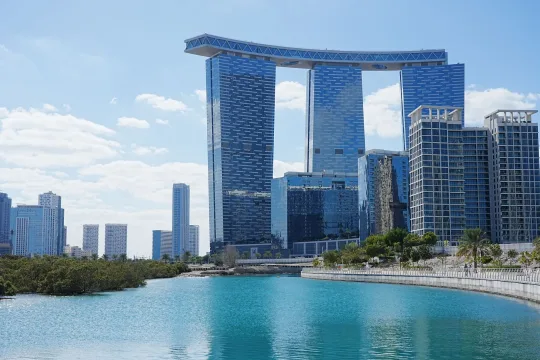
Living in Mamsha Al Saadiyat
What it is really like to live in Mamsha Al Saadiyat, Abu Dhabi in 2026: the property mix, realistic costs, amenities, and the buyer or tenant it suits.
Living in Hidd Al Saadiyat
Hidd Al Saadiyat is a gated beachfront villa community on Saadiyat Island, Abu Dhabi. Here is what to know about the location, the large villas, realistic price ranges, amenities, ownership rules and who it suits.
Living in Saadiyat Island (2026)
Saadiyat is Abu Dhabi's cultural and beachfront island, pairing the Louvre Abu Dhabi and museums with protected beaches and premium homes. Here is what living there is really like.