Culture & Property
Louvre Abu Dhabi: Visitor Guide
The domed museum, planning a visit, and a realistic view of how a cultural landmark shapes nearby homes on Saadiyat Island.
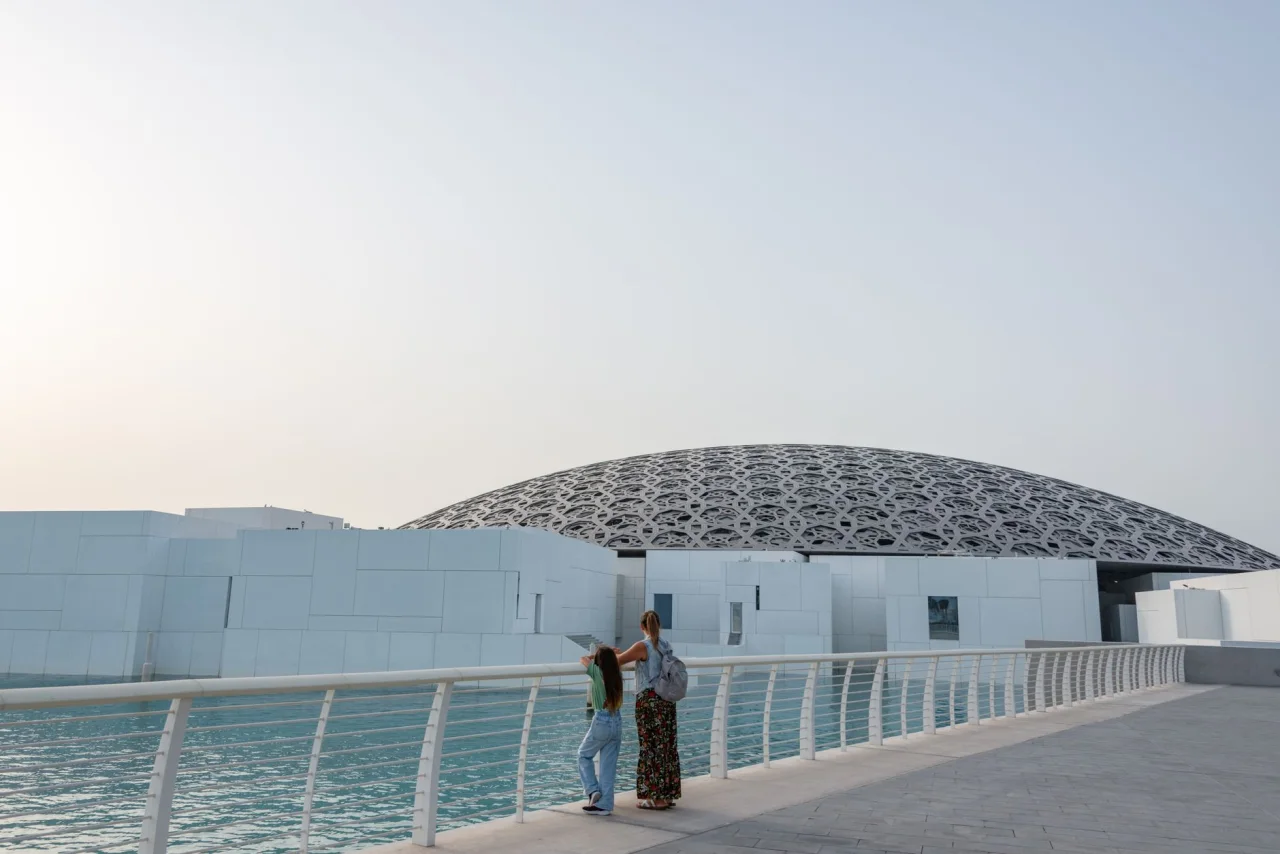
The Louvre Abu Dhabi is the UAE capital's landmark art museum, a domed building on Saadiyat Island that draws visitors from around the world. Beyond being a great day out, it anchors the Saadiyat Cultural District, and cultural anchors of this kind tend to shape the desirability of the neighbourhoods around them. This guide covers what to know as a visitor and, honestly, what a museum like this can and cannot mean for nearby property.
The short version
- The Louvre Abu Dhabi opened in November 2017 on Saadiyat Island, designed by architect Jean Nouvel, and uses the Louvre name under an agreement between the UAE and France.
- Its striking web-patterned dome creates a filtered "rain of light" effect, and it is the largest art museum in the Arabian Peninsula.
- It sits in the Saadiyat Cultural District, alongside beaches and residential areas, which is why it matters to property seekers, not just tourists.
- A landmark can support the appeal of nearby homes, but it does not guarantee price rises. Treat any value or rent figure as a range and verify current numbers with a licensed agent.
What the Louvre Abu Dhabi is
The Louvre Abu Dhabi was inaugurated in November 2017 and stands on Saadiyat Island as the centrepiece of the Saadiyat Cultural District. It was designed by the French architect Jean Nouvel, and it operates under an intergovernmental agreement between the UAE and France that allows it to use the Louvre name. According to the Louvre Abu Dhabi Wikipedia article, that naming agreement was later extended to 2047.
It is described as the largest art museum in the Arabian Peninsula, spanning roughly 24,000 square metres with around 8,000 square metres of galleries. Its collection spans many cultures and periods, and it has displayed works by artists including Leonardo da Vinci, Vincent van Gogh, Claude Monet and Paul Gauguin. The museum's programme mixes its own collection with loans and rotating exhibitions.
The architecture: a dome of light
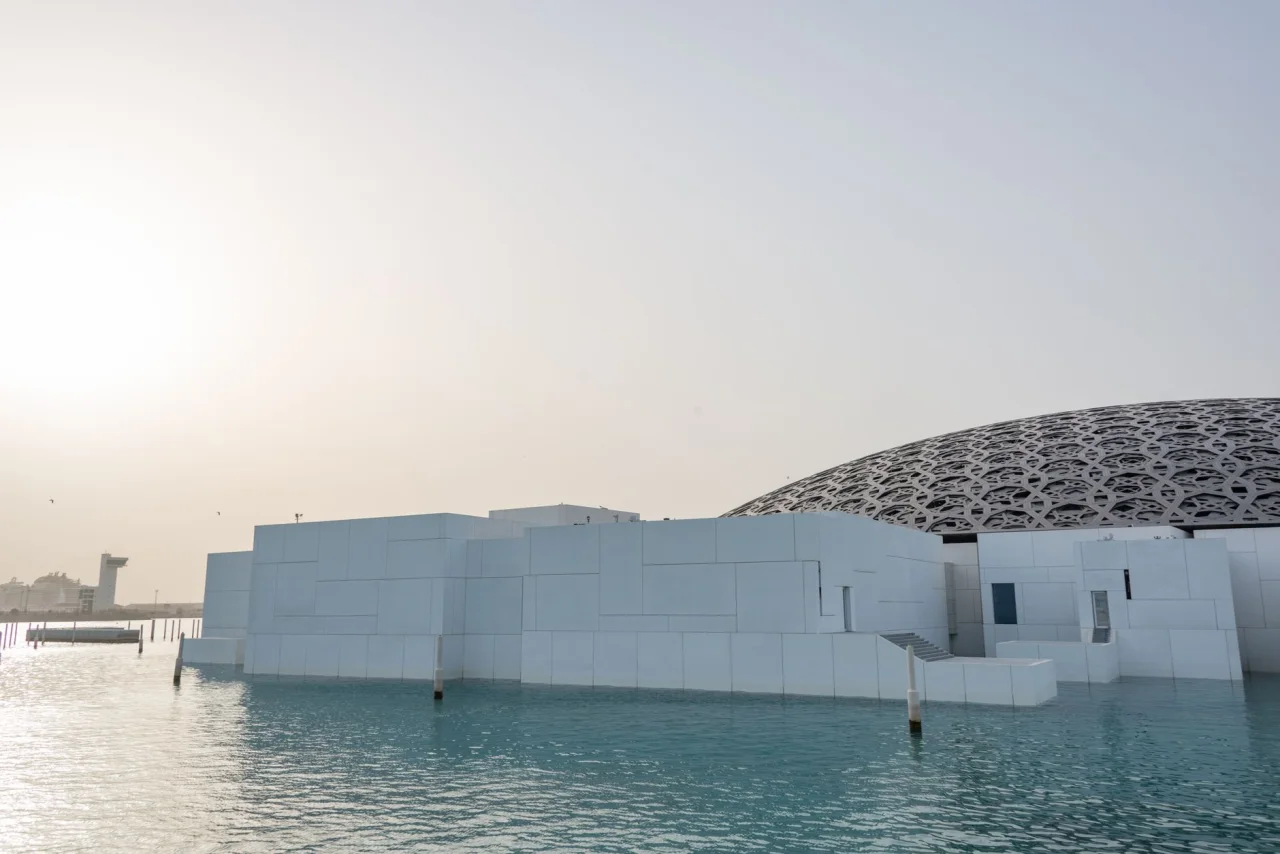
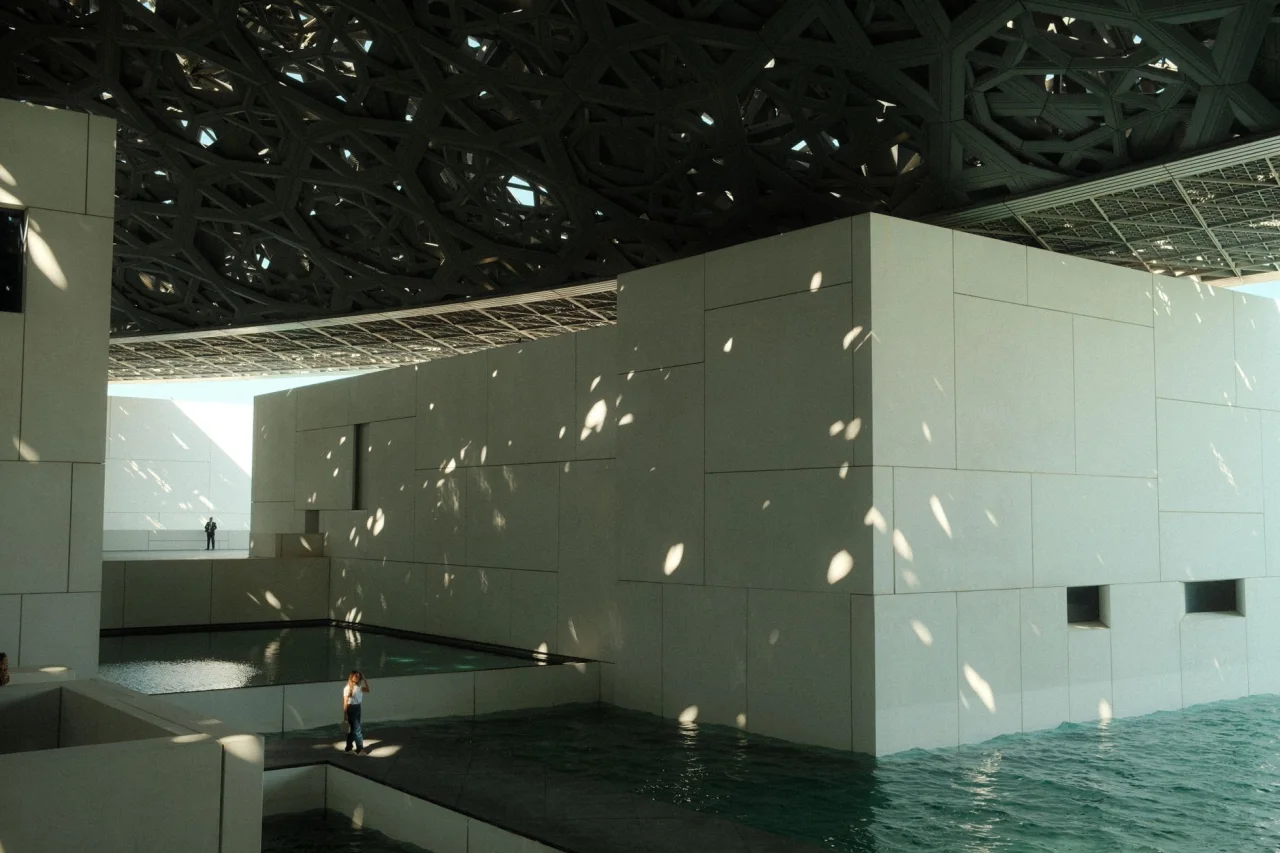
The building's defining feature is its vast, seemingly floating dome. It is web-patterned and made up of thousands of aluminium stars arranged in layers, so that sunlight filters through in a shifting, dappled pattern often called a rain of light. The design is inspired by light passing through overlapping palm fronds in an oasis, which ties a very modern structure to a local landscape reference.
For visitors, the dome and the water around the museum are as much the attraction as any single artwork. Many people spend as much time outside, under the dome and along the waterfront, as they do in the galleries.
Planning your visit
The Louvre Abu Dhabi is a ticketed museum on Saadiyat Island, reachable by car and taxi, with parking on site. Because opening days, hours, ticket prices and special exhibitions change, always confirm the current details on the museum's official channels before you travel rather than relying on older information. A few practical tips make for a better visit:
- Allow at least half a day if you want to see the galleries and enjoy the dome and waterfront without rushing.
- Check for special exhibitions, which are often ticketed separately from general admission.
- Combine it with the wider district, as Saadiyat's beaches and cultural venues make a full day out.
- Confirm access details for families, accessibility needs and guided tours in advance.
The museum is only one part of the Saadiyat Cultural District, which is planned to include further major institutions. Our guide to the Guggenheim Abu Dhabi covers another landmark planned for the same district.
Where it sits: Saadiyat Island
Saadiyat Island is a natural island a short distance off the coast of Abu Dhabi island, and it is home to the Saadiyat Cultural District as well as beaches and residential neighbourhoods. As noted on Saadiyat Island's Wikipedia page, the cultural district houses the Louvre Abu Dhabi and is being developed as a hub for museums and institutions.
For residents, this combination of beaches, culture and low-rise, upmarket housing gives Saadiyat a distinct character within Abu Dhabi. If you want the detail on living there, our Saadiyat Island area guide goes deeper into neighbourhoods, property types and daily life.
What a landmark museum can mean for nearby property
Cultural landmarks tend to raise the profile and desirability of the areas around them. A world-class museum brings visitors, restaurants, jobs and a certain prestige, and it signals long-term public investment in a district. All of that can support demand for nearby homes, both to buy and to rent, and it often correlates with better amenities and infrastructure over time.
It is important to be honest about the limits, though. Proximity to a museum does not guarantee that a specific home will rise in value or command a higher rent. Property prices respond to many factors at once: the wider market cycle, supply of new units, interest rates, service charges, the exact building and view, and the health of the economy. A landmark is one supporting factor among many, not a guarantee.
Note: Be sceptical of any pitch that a nearby attraction will automatically make a property a winning investment. Base decisions on realistic, current prices and rents for the specific building, and confirm figures with a licensed agent rather than on the promise of a landmark alone. This is general information, not personalised financial advice.
Living near the culture: who it suits
The residential areas around the Saadiyat Cultural District tend to suit buyers and tenants who value a quieter, cultural and beach-oriented lifestyle over a dense city-centre feel. Households that enjoy museums, galleries, walkable waterfronts and premium, low-rise living often gravitate here. It is generally an upmarket segment of the Abu Dhabi market rather than an entry-level one.
Neighbourhoods on and near Saadiyat include a range of apartment and townhouse-style living. Our guides to Mamsha Al Saadiyat and Hidd Saadiyat cover specific communities in more detail, and for the developer perspective on major Abu Dhabi projects, our profile of Aldar is a useful companion.
Frequently asked questions
When did the Louvre Abu Dhabi open and where is it?
The Louvre Abu Dhabi opened in November 2017 and is located on Saadiyat Island in Abu Dhabi, as the centrepiece of the Saadiyat Cultural District. It was designed by the French architect Jean Nouvel and operates under an agreement between the UAE and France that lets it use the Louvre name.
What makes the building famous?
Its most famous feature is the vast web-patterned dome, made of thousands of aluminium stars arranged in layers, which filters sunlight into a shifting, dappled effect often called a rain of light. The design is inspired by light passing through overlapping palm fronds. It is also described as the largest art museum in the Arabian Peninsula.
Does living near the Louvre Abu Dhabi increase property value?
A landmark museum can raise a district's profile and support demand for nearby homes, but it does not guarantee that any specific property will rise in value or rent for more. Prices depend on the wider market cycle, supply, interest rates, the exact building and other factors, so treat a landmark as one supporting influence rather than a guarantee.
Is Saadiyat Island a good place to live?
Saadiyat Island suits people who value a quieter, culture and beach-oriented lifestyle with premium, low-rise housing, rather than a dense city-centre feel. It is generally an upmarket part of the Abu Dhabi market. Our dedicated Saadiyat Island area guide covers neighbourhoods, property types and daily life in more detail.
How do I plan a visit?
The museum is ticketed and reachable by car or taxi on Saadiyat Island. Because opening days, hours, prices and special exhibitions change, confirm current details on the museum's official channels before travelling. Allowing at least half a day lets you enjoy the galleries as well as the dome and waterfront without rushing.
More guides on Landmarks & Lifestyle
Have a question or a topic to suggest?
We read every message. Tell us what you would like to see next on the blog.
Get in touchYou may also like
Living in Saadiyat Island (2026)
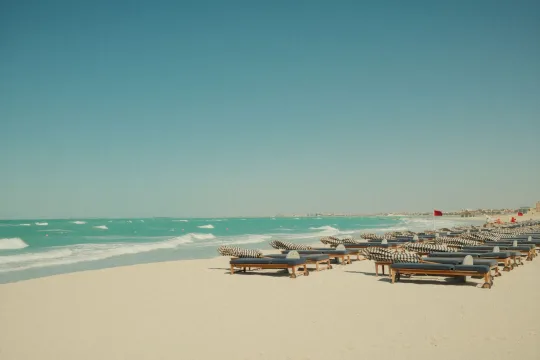
Saadiyat is Abu Dhabi's cultural and beachfront island, pairing the Louvre Abu Dhabi and museums with protected beaches and premium homes. Here is what living there is really like.
Living in Mamsha Al Saadiyat
What it is really like to live in Mamsha Al Saadiyat, Abu Dhabi in 2026: the property mix, realistic costs, amenities, and the buyer or tenant it suits.
Guggenheim Abu Dhabi: Visitor Guide
What the Frank Gehry-designed Guggenheim Abu Dhabi is, how to plan a visit to the Saadiyat Cultural District, and an honest look at what a major museum means for nearby property.