Abu Dhabi Heritage
Qasr Al Hosn Fort: Visitor Guide
The oldest stone building in Abu Dhabi, from watchtower to museum, and what a central heritage address really means for property.

Qasr Al Hosn is the oldest stone building in Abu Dhabi, and standing in front of it you are looking at the point the whole city grew out from. This guide walks through what the fort is, how to visit, and the honest question a property-minded reader tends to ask next: does living near a landmark like this actually change what you pay in rent or price?
The short version
- Qasr Al Hosn began as a watchtower in 1761 to guard the island's freshwater well, and grew into the ruling family's fort and residence.
- After a long restoration it reopened to the public in 2018 as a museum and cultural site at the heart of the Al Hosn district.
- It sits on Abu Dhabi's central island, close to the Corniche, not inside a designated foreign-ownership investment zone.
- Landmarks lift an address through walkability and prestige, but ownership rules and building quality matter more, so verify any specific property with ADREC before you decide.
Why Qasr Al Hosn matters
Most great cities have a founding spot, a place everything else radiates out from. In Abu Dhabi that place is Qasr Al Hosn. Long before the towers of the Corniche or the museums of Saadiyat, a single tower stood here to protect the island's only source of fresh water. Understanding the fort is the quickest way to understand how a small pearling and fishing settlement became one of the wealthiest capitals in the region.
For a visitor, that history is what makes the site more than a photo stop. For someone weighing where to live or invest in the emirate, the fort is also a useful anchor: it sits in the older, central part of Abu Dhabi city, a district with a very different character from the newer waterfront communities where most international buyers concentrate.
A short history of the fort

The story of Qasr Al Hosn is the story of Abu Dhabi in miniature, and the documented history of the fort tracks the emirate's leap from a pearling settlement to an oil capital. Its main chapters are worth knowing before you walk through the gates.
- 1761, the watchtower. A conical watchtower was built to guard the island's freshwater well, the resource that made permanent settlement here possible.
- 1793, the fort. The tower was expanded into a small fort and became the residence of the ruling Sheikh, placing the seat of power at the centre of the growing town.
- Late 1930s, expansion. Revenue from Abu Dhabi's first oil concession funded a major extension, a physical sign of the change about to sweep the emirate.
- 1976 to 1983, the White Fort. A renovation painted the structure bright white, earning it the nickname by which many older residents still know it.
- 2018, the museum. After a restoration lasting roughly a decade, the site reopened to the public as a museum and cultural landmark.
Today the fort is the centrepiece of the wider Al Hosn complex, which also includes the Cultural Foundation and the House of Artisans, where traditional Emirati crafts are demonstrated. That mix of history and living culture is what gives the district its identity.
What you can see and do today
Inside, the fort functions as a museum telling the history of Abu Dhabi through artefacts, archival photographs and regional objects, including examples of traditional weaponry. The exhibits trace the leap from a pre-oil desert economy to the modern city, which is a genuinely striking arc to absorb in one visit.
Beyond the fort itself, the House of Artisans focuses on Emirati crafts such as weaving and palm frond work, often with live demonstrations. The surrounding public realm is designed for slow walking, and the whole quarter is meant to be experienced on foot rather than rushed. If your trip is really about the museums, pair it in your itinerary with the Louvre Abu Dhabi over on Saadiyat, which gives you the historic and the contemporary sides of the capital in a single trip.
Plan before you go. Opening hours, ticket prices and any special exhibitions change over time, and cultural sites in Abu Dhabi sometimes adjust schedules around national events and the summer. Check the official Department of Culture and Tourism channels for current timings and fees before travelling rather than relying on older articles.
Getting there and practical tips

Qasr Al Hosn sits in central Abu Dhabi, close to the city's Corniche and the main grid on the T-shaped island, which makes it easy to reach by taxi or car from most parts of the island. A few practical notes make the visit smoother.
- Time your visit for the cooler hours. From late spring through summer the midday heat is intense, so morning or late afternoon is far more comfortable for the outdoor areas.
- Allow a couple of hours. Between the fort, the House of Artisans and the grounds, a rushed thirty minutes does not do the site justice.
- Dress respectfully. As with any cultural and heritage site in the UAE, modest clothing is appropriate.
- Combine it with the Corniche. The waterfront promenade is a short hop away and rounds out a half day in the older heart of the city.
The neighbourhood around Al Hosn
The districts surrounding the fort, including Al Markaziyah and the streets running toward the Corniche and Khalidiya, form the traditional core of Abu Dhabi city. This is dense, established, walkable urban living: mid-rise and high-rise apartment blocks, mature retail, government offices, schools and long-standing local businesses. It feels lived-in rather than brand new, which is exactly its appeal to the people who choose it.
That character is very different from the master-planned island communities that dominate the headlines. If you want to compare, our guides to living on Reem Island and living on Saadiyat Island show how the newer waterfront zones trade some of that central bustle for beaches, cultural anchors and purpose-built amenities.
What proximity to a landmark means for property
It is tempting to assume that living next to a famous landmark automatically means higher value. The honest answer is more nuanced. A landmark helps an address in a few specific ways, and is neutral or even unhelpful in others.
- Walkability and lifestyle. Being able to stroll to a cultural site, a promenade and established dining genuinely improves day-to-day living, and buyers pay for that convenience.
- Prestige and recognisability. A well-known neighbourhood name is easier to rent and resell, simply because more people already understand where it is.
- Tourism footfall. Near a busy attraction, short-stay demand can be stronger, though it can also bring traffic and noise that some residents dislike.
- What it does not do. A landmark next door will not fix an ageing building, a difficult service charge, or an ownership structure that does not suit you.
A crucial point for international readers: central Abu Dhabi city, where Qasr Al Hosn sits, is not one of the emirate's designated investment zones where foreign nationals can buy freehold. Foreign ownership in Abu Dhabi is concentrated in specific zones such as Al Maryah Island, Reem Island, Saadiyat, Yas Island and Al Raha Beach. So the fort is wonderful to live near, but if you are a non-Emirati buyer, the exact address and its ownership status matter enormously.
Verify before you commit. Foreign-ownership rules, freehold zones and price levels vary by area and change over time. As of 2026 this is general information, not legal or financial advice: confirm whether a specific building allows the ownership type you need with the Abu Dhabi Real Estate Centre (ADREC) or a licensed agent, and treat any quoted price or yield as a range to check on the official portal, not a promise.
Where buyers and renters actually look nearby
If the heritage and central location of Al Hosn appeal to you, there are two broad paths. Renters and residents who simply want to live in the historic core can find plenty of apartments in the central districts, often at more grounded rents than the glossy islands, in buildings that range from older to recently renovated. Always weigh the age and maintenance of the specific tower, not just the postcode.
International buyers who love the location but need freehold typically look to the nearby investment zones instead, where full foreign ownership is allowed. If you are moving from thinking about landmarks to thinking about a purchase, our Abu Dhabi apartment buyer's guide walks through freehold zones, fees and the process, and the companion piece on the same district, our other Qasr Al Hosn guide, covers the visitor experience in more detail. Whatever you choose, view in person, read the service charge, and check the numbers against current market data.
Frequently asked questions
What is Qasr Al Hosn?
Qasr Al Hosn is the oldest stone building in Abu Dhabi. It started as a watchtower in 1761 to guard the island's freshwater well, grew into a fort and the ruling family's residence, and now operates as a museum and cultural landmark in the central Al Hosn district.
When did Qasr Al Hosn reopen as a museum?
After a restoration that lasted roughly a decade, the site reopened to the public in 2018 as a museum and cultural landmark. It displays artefacts, archival photographs and regional objects that trace the history of Abu Dhabi.
Can foreigners buy property near Qasr Al Hosn?
Central Abu Dhabi city, where the fort sits, is not one of the emirate's designated investment zones for foreign freehold ownership. Non-Emirati buyers usually purchase instead in zones such as Al Maryah Island, Reem Island, Saadiyat, Yas Island or Al Raha Beach. Always confirm the ownership status of a specific property with ADREC or a licensed agent.
Does living near a landmark increase property value?
It can help through walkability, prestige and easier resale or rental, but it is not a guarantee. Building quality, service charges and ownership rules usually matter more than proximity to a famous site, so weigh the specific property rather than the postcode alone.
Is Qasr Al Hosn worth visiting?
Yes, especially if you want to understand how Abu Dhabi grew from a small settlement into a modern capital. The fort, the museum exhibits and the nearby House of Artisans make for an engaging half day, ideally in the cooler morning or late afternoon hours.
More guides on Landmarks & Lifestyle
Have a question or a topic to suggest?
We read every message. Tell us what you would like to see next on the blog.
Get in touchYou may also like
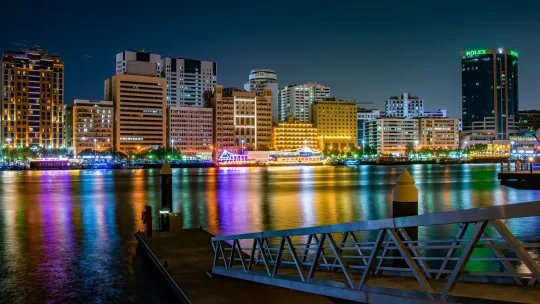
Qasr Al Hosn: Visitor Guide
A visitor guide to Qasr Al Hosn, Abu Dhabi's oldest stone building and its historic fort museum, plus an honest look at what central location means for property.
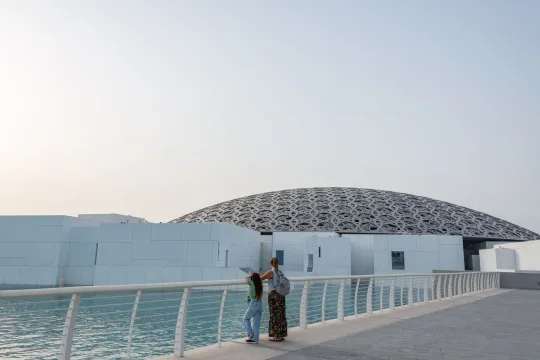
Louvre Abu Dhabi: Visitor Guide
What to know before visiting Louvre Abu Dhabi on Saadiyat Island, plus an honest look at what a landmark museum can and cannot mean for nearby property.

Living in Reem Island Abu Dhabi
An honest area guide to Al Reem Island Abu Dhabi: its districts, apartment market, indicative prices, schools, Reem Mall and amenities, the ADGM legal note, and who it suits.