Palm Jumeirah
Palm Jumeirah Homes for Sale
The home types on Nakheel's palm-shaped island, how ownership works, and how to price and complete a purchase in a prime market.
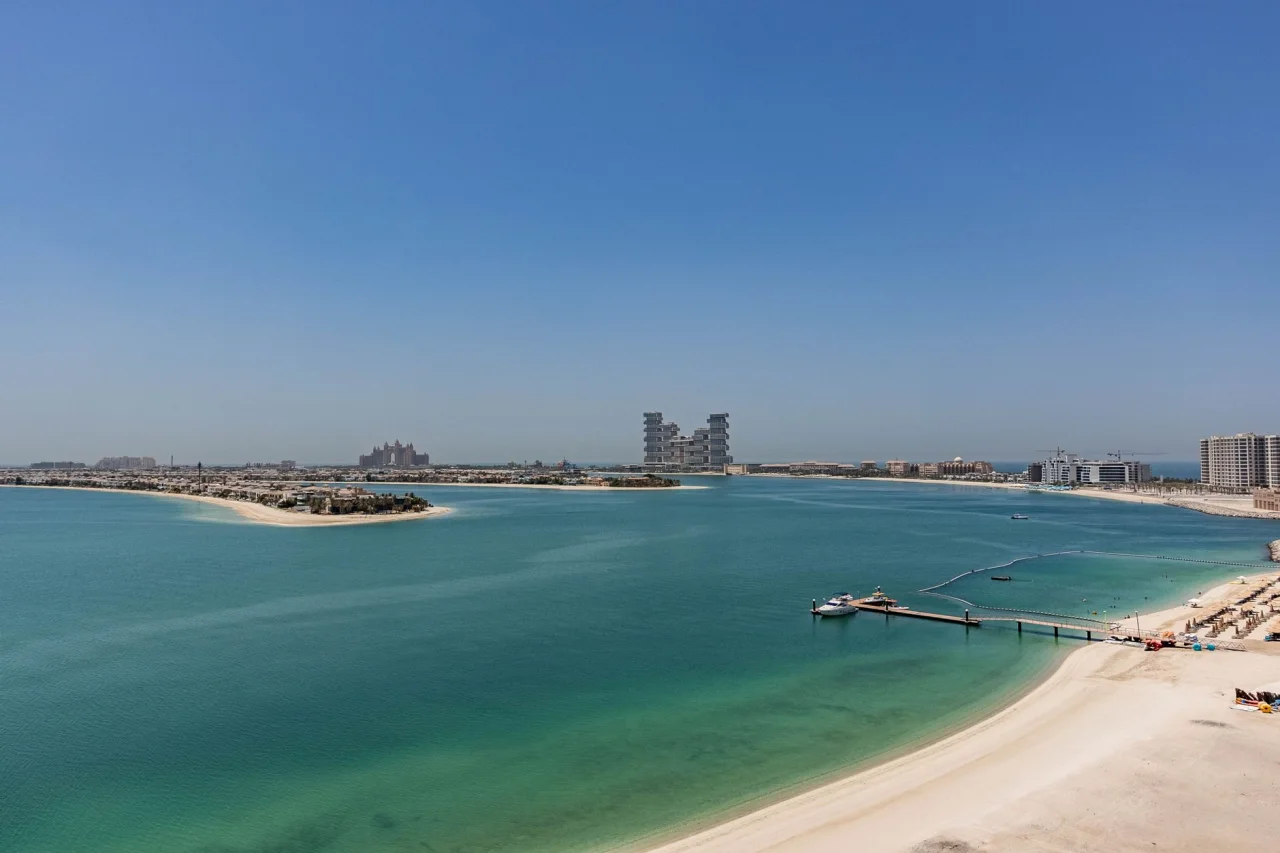
Palm Jumeirah is Dubai's most recognisable address, a palm-shaped island reclaimed from the Gulf and home to everything from beachfront villas to trunk-side apartments. If you are considering buying here, this guide explains the home types, how ownership works, and how to price and complete a purchase in one of the emirate's most prestigious markets.
The short version
- Palm Jumeirah is a man-made archipelago developed by Nakheel, shaped like a palm tree with a trunk, fronds and a crescent breakwater.
- It is a designated freehold area, so foreign nationals can own villas and apartments outright, registered at the Dubai Land Department (DLD).
- Home types include frond villas (such as Signature Villas and Garden Homes), townhomes, and apartments along the trunk. Each is a distinct sub-market with its own pricing.
- This is a prime, high-value market. Prices vary hugely by frond, view and home type, so use DLD data and a RERA-registered agent rather than headline figures.
What Palm Jumeirah actually is
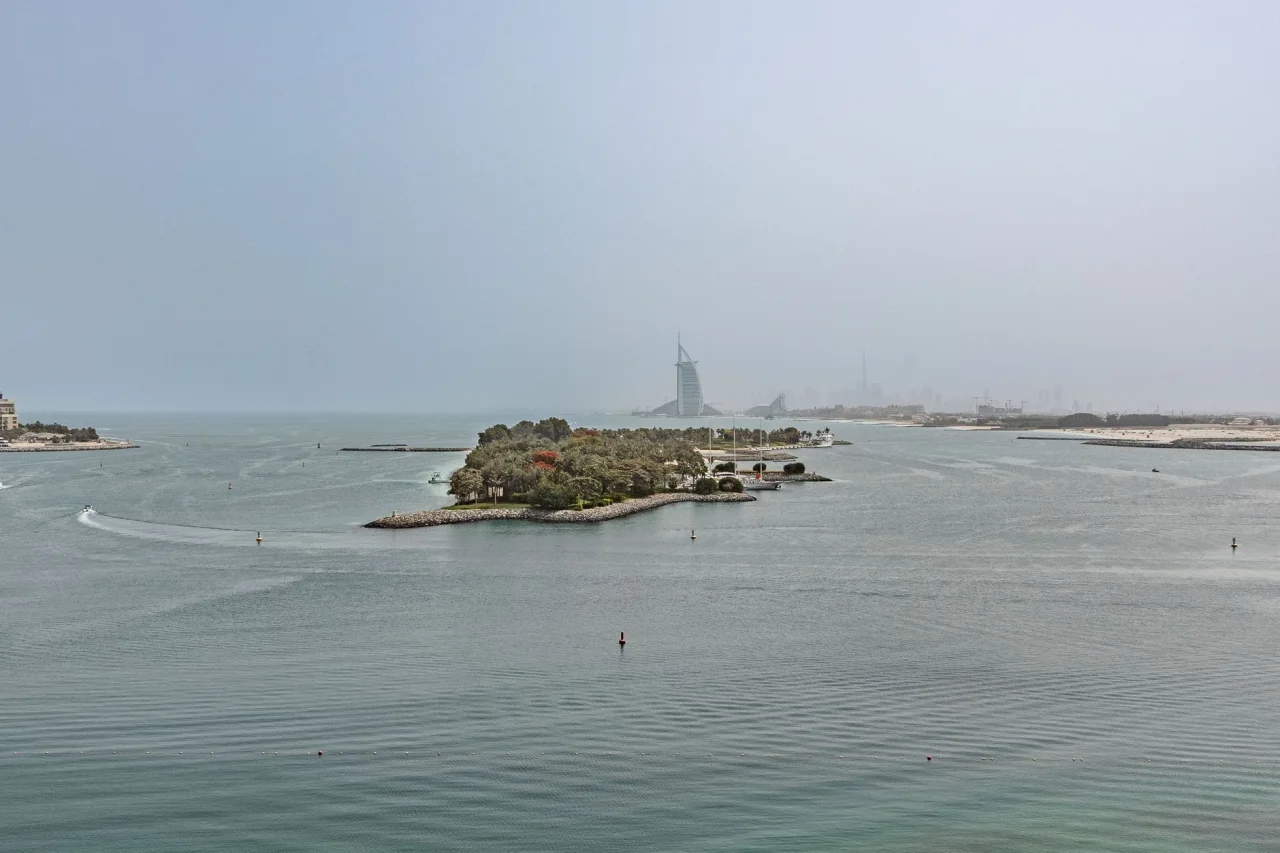
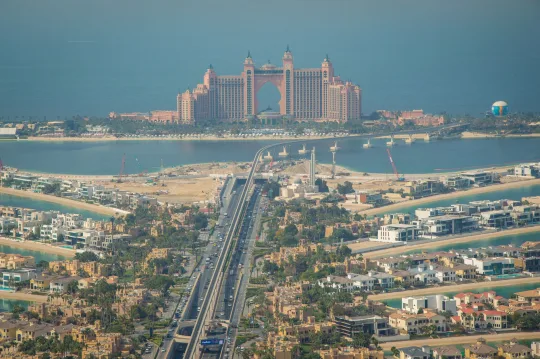
Palm Jumeirah is one of the world's largest man-made islands, created through land reclamation by the developer Nakheel and shaped like a stylised palm tree. The design has a central trunk, a series of fronds branching off it, and a surrounding crescent-shaped breakwater. Construction began in the early 2000s, and the island has since become a landmark of Dubai's waterfront living.
For buyers, the geography is not just scenery, it defines the market. The fronds hold private beach villas, the trunk carries mid-rise apartment buildings and retail, and the crescent hosts hotels and some of the most exclusive residences. Where a home sits on the Palm strongly influences its price, privacy and views. The Wikipedia overview of Palm Jumeirah is useful background on how the island was built.
The home types on the Palm
"Homes for sale" on Palm Jumeirah covers several very different products:
- Frond villas: private beachfront homes on the fronds, including established ranges such as Signature Villas and Garden Homes, typically with private beach access.
- Townhomes: a smaller number of townhouse-style homes offering island living at a different price point to standalone villas.
- Trunk apartments: apartments in mid-rise buildings along the trunk, ranging from more accessible units to premium penthouses.
- Crescent residences: branded and hotel-linked residences on the outer crescent, at the top of the market.
Each is a separate sub-market. A frond villa and a trunk apartment are barely comparable on price or lifestyle, so decide which product fits your budget and goals first. If your focus is standalone villas specifically, our Palm Jumeirah villas guide goes deeper.
Tip: the frond and orientation matter
On the fronds, a villa's position and orientation affect privacy, sunlight and the view (open sea versus facing the neighbouring frond). Two similar villas can carry very different prices for this reason, so view the specific plot and check sightlines in person.
Ownership: freehold on the island
Palm Jumeirah is a designated freehold area, which means foreign nationals can buy and fully own both villas and apartments here, with a title deed registered at the DLD. This is one reason the island attracts international buyers alongside residents.
Freehold status and ownership rules are set by the government and can be updated, so this is general information rather than legal advice. Confirm the current position for the specific property before you buy. The Dubai Land Department is the official authority for registration, title deeds and transaction records, and a RERA-registered agent can confirm a building's or villa's status. For the developer's wider record, see our overview of Nakheel projects.
Pricing on Palm Jumeirah: a prime market
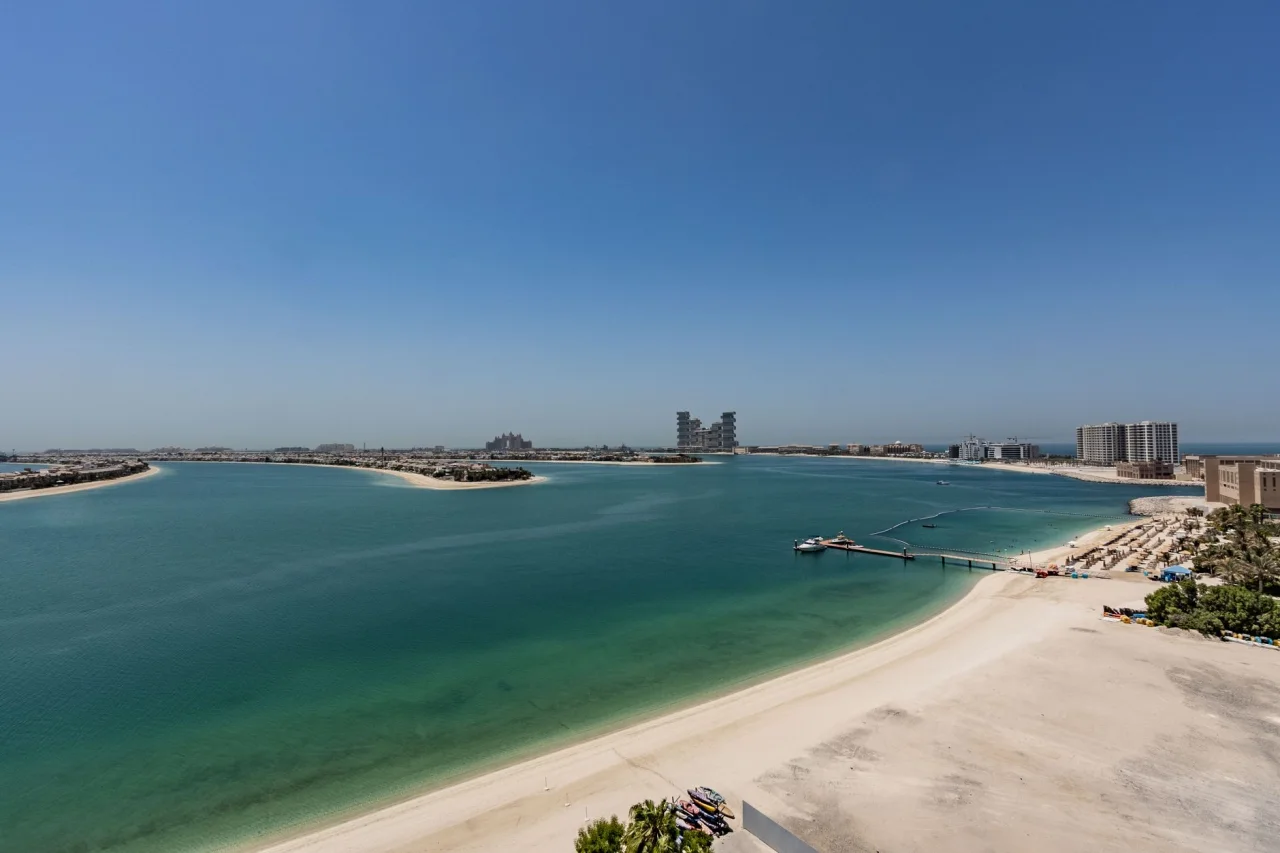
Palm Jumeirah is a high-value, prime market, and prices vary enormously by home type, frond, view, plot size and condition. We will not invent figures, because they would mislead in a market where a single villa can differ from its neighbour by a wide margin. To gauge value:
- Anchor on DLD-registered sales for the same home type and frond, not asking prices.
- Compare on built-up and plot area for villas, and on floor and view for apartments.
- Account for condition and upgrades, which move prices sharply at this level.
- Check the service charge, which on premium island stock can be significant.
Figures vary by frond, home type, view and market conditions, so confirm current pricing with a RERA-registered agent or on the DLD and Dubai REST portals. Nothing here is a valuation of a specific property. For a sense of daily life on the island, our guide to living in Oceana, Palm Jumeirah gives on-the-ground context for the trunk apartment communities.
The cost of buying and financing
On a ready home, budget roughly 7 to 10 percent of the price in transaction costs: the 4 percent DLD transfer fee, agency commission (commonly around 2 percent plus VAT), and registration and trustee fees, plus mortgage costs if you finance.
Because Palm Jumeirah homes are typically high value, mortgage rules bite harder. The Central Bank of the UAE sets loan-to-value limits, and higher value properties generally face tighter caps, meaning a larger cash down payment. Expatriate buyers usually need a substantial deposit, and second-home limits are lower again. These caps are regulator-set and can change, so confirm today's terms with your bank or a licensed mortgage advisor, and getting pre-approved first fixes your realistic budget.
Note: general information, not personalised advice
Ownership rules, fees and mortgage caps here are accurate as general 2026 guidance but are subject to change. Verify current figures on official channels and consider a RERA-registered agent and a licensed financial or legal advisor before committing funds.
Completing a purchase and the residency angle
- Confirm the home type and freehold status for the specific property.
- Set your budget including costs, and arrange mortgage pre-approval if you need finance.
- Inspect thoroughly. For villas, survey the structure, pool, beach frontage and plot; for apartments, check the view and building condition.
- Sign a Form F, the standard DLD sale agreement.
- Pay a deposit through a trustee or agent, then obtain the developer NOC.
- Register at the DLD and receive your title deed.
Given the values involved, a conveyancer is well worth considering. A qualifying purchase at or above the AED 2 million threshold, which most Palm homes exceed, may also support a Golden Visa application based on the DLD-certified value. See our Golden Visa guide and verify the current criteria on official channels. If you are also comparing mainland options, our Jumeirah villas guide is a useful counterpoint.
Frequently asked questions
Can foreigners buy a home on Palm Jumeirah?
Yes. Palm Jumeirah is a designated freehold area, so foreign nationals can own villas and apartments outright, with the title deed registered at the Dubai Land Department. Ownership rules can change, so confirm the current position for the specific property before you buy.
Who developed Palm Jumeirah?
Palm Jumeirah was developed by Nakheel through land reclamation. It is a man-made archipelago shaped like a palm tree, with a trunk, fronds and a crescent-shaped breakwater.
What types of homes are available on Palm Jumeirah?
The island offers frond villas (including ranges such as Signature Villas and Garden Homes), some townhomes, apartments along the trunk, and branded or hotel-linked residences on the crescent. Each is a distinct sub-market with different prices.
How much do Palm Jumeirah homes cost?
Palm Jumeirah is a prime, high-value market, and prices vary enormously by home type, frond, view and condition, so there is no single figure. Compare DLD-registered sales for the same home type and confirm current pricing with a RERA-registered agent or on the DLD and Dubai REST portals.
What are the buying costs on Palm Jumeirah?
Expect roughly 7 to 10 percent of the price, led by the 4 percent DLD transfer fee, plus agency commission, registration and trustee fees, and mortgage costs if you finance. Service charges on premium island stock can also be significant.
Can buying on Palm Jumeirah get me a Golden Visa?
Owning qualifying property at or above the AED 2 million threshold can make you eligible for a long-term Golden Visa, based on the DLD-certified value, and most Palm homes exceed that threshold. The rules were updated in 2026 and are administered by the authorities, so verify the current criteria before relying on it.
More guides on Buying & Off-Plan
Have a question or a topic to suggest?
We read every message. Tell us what you would like to see next on the blog.
Get in touchYou may also like
Palm Jumeirah Villas for Sale 2026
What to know before buying a frond villa on Palm Jumeirah: freehold ownership, price drivers, the fees to budget for, mortgage limits, and due diligence.
Buy Villa in Palm Jumeirah 2026
How to buy a villa on Palm Jumeirah in 2026: freehold rules, price ranges, fees, financing and the due-diligence checks that protect you.
Oceana Palm Jumeirah Guide
What living in Oceana on Palm Jumeirah is really like in 2026: the beachfront community, apartments, resort amenities, and honest rent and buying guidance.