Buying a Villa
Palm Jumeirah Villas for Sale 2026
Freehold rules, price drivers, fees, mortgages and due diligence for buying a frond villa on Dubai's Palm Jumeirah.
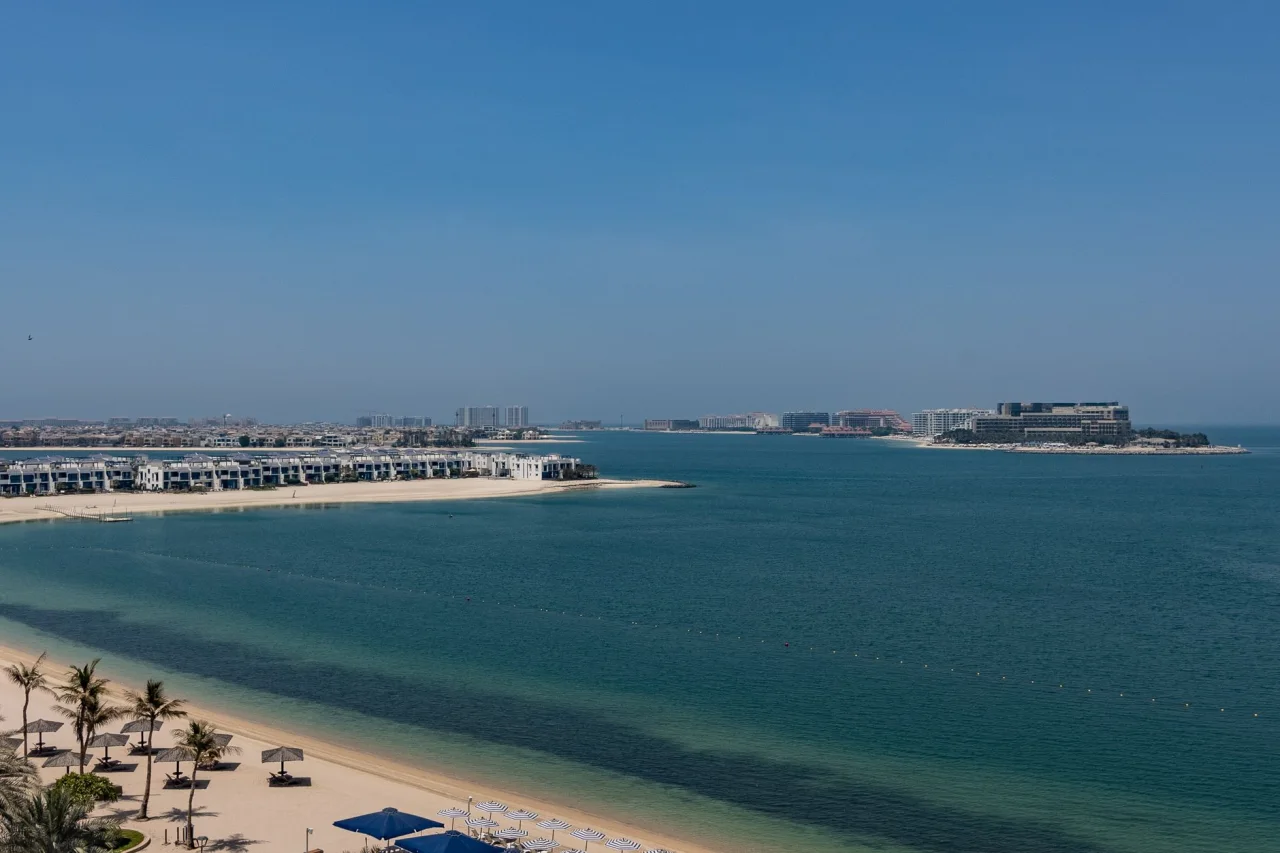
Palm Jumeirah is one of the most recognisable addresses on earth, and its frond villas sit at the very top of Dubai's residential market. This guide walks through who can buy, what drives the price of a villa here, the fees you should budget for, and the checks that protect you before you sign. It is general information to help you prepare, not personalised financial or legal advice.
The short version
- Palm Jumeirah is a freehold, developer-built archipelago in Dubai, so buyers of any nationality can own a villa outright.
- Villas sit mainly on the fronds with private beach access, which is the single biggest reason prices here run so high.
- Budget beyond the sale price: a Dubai Land Department transfer fee, agency commission, trustee and title deed charges, plus ongoing service fees.
- Prices move constantly by frond, view, plot size, and condition, so confirm live figures with a RERA-registered agent or on the DLD and Dubai REST portals.
What Palm Jumeirah actually is
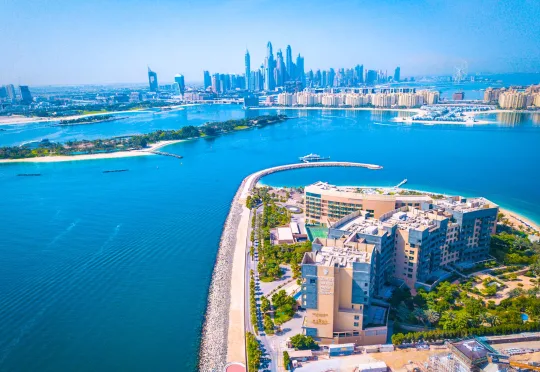
Palm Jumeirah is an archipelago of artificial islands in Dubai, developed by Nakheel and shaped like a palm tree. Construction began in June 2001 and the first residential units were handed over in 2006. The island is organised into three broad zones: the trunk, which mixes apartments and commercial space, the fronds, which hold the residential villas, and the outer crescent, which is home to luxury resorts.
For villa buyers, the fronds are the heart of the story. Homes there were delivered in a range of sizes and layouts, from around two bedrooms up to very large formats, and many come with direct beach frontage. Over the years a good number of the original villas have been extended or fully rebuilt into custom mansions, which is why two homes on the same frond can be priced worlds apart. If you want to understand the wider island as a place to live rather than just an asset, our guide to the neighbouring Palm Jebel Ali development gives useful context on how Nakheel's palm-shaped communities are planned.
Can foreigners buy a villa on the Palm?
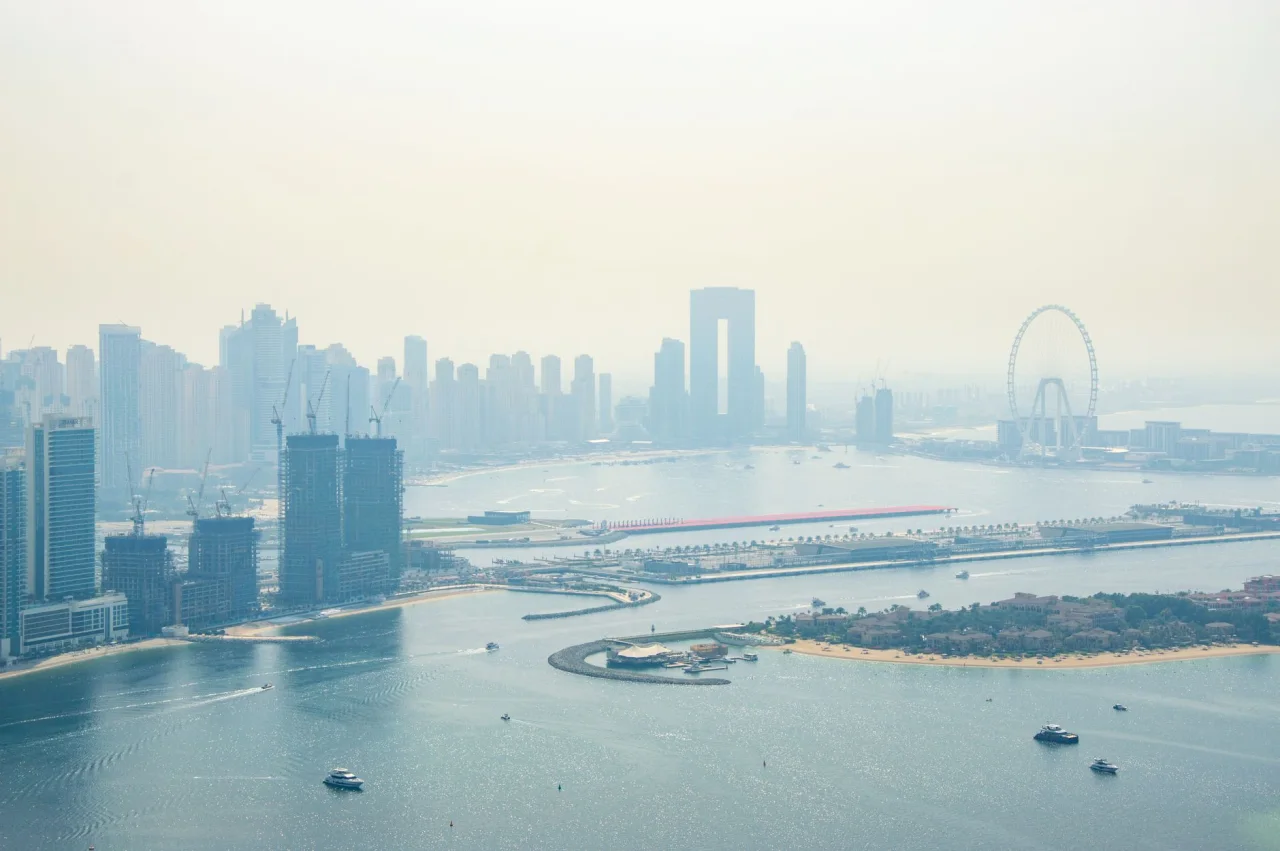
Yes. Palm Jumeirah is a designated freehold area, which means buyers of any nationality can own the property and the land it sits on outright, hold a title deed registered with the Dubai Land Department, and sell, lease, or pass the home on. This is different from leasehold arrangements found in some other parts of the UAE. Freehold ownership in defined zones is the foundation of Dubai's open property market, and Palm Jumeirah has been one of its flagship examples since the early handovers.
Ownership here can also support a long-term residency application. Under current rules, property worth at least AED 2 million can qualify an owner for the UAE Golden Visa route, subject to conditions that are updated from time to time. Treat that as a possible benefit to verify rather than a guarantee, and read our Golden Visa requirements guide before you count on it.
What villas cost, and what moves the price
Palm Jumeirah villas are firmly in the ultra-prime bracket, and figures typically run into the tens of millions of dirhams, with custom beachfront mansions reaching significantly higher. Because the range is so wide and the market moves quickly, we are not going to quote a single number that would be out of date within weeks. Instead, focus on the factors that decide where a specific home lands:
- Frond position and view. Sea-facing plots, sunset orientation, and skyline views command a premium over homes that look onto neighbouring villas.
- Plot size and beach frontage. The length of private beach and the size of the land are major value drivers.
- Original versus rebuilt. A modernised or custom-built mansion can be priced far above an unrenovated original villa of the same footprint.
- Condition, fit-out, and extras. Pools, elevators, home automation, and landscaping all feed into the asking price.
Tip: Ask your agent for recent recorded transactions on the same frond, not just current asking prices. The Dubai Land Department publishes real transaction data, and comparing like-for-like sold prices is the best defence against overpaying. Figures vary by frond, view, and market conditions, so confirm current pricing with a RERA-registered agent or on the DLD and Dubai REST portals.
The fees you should budget for
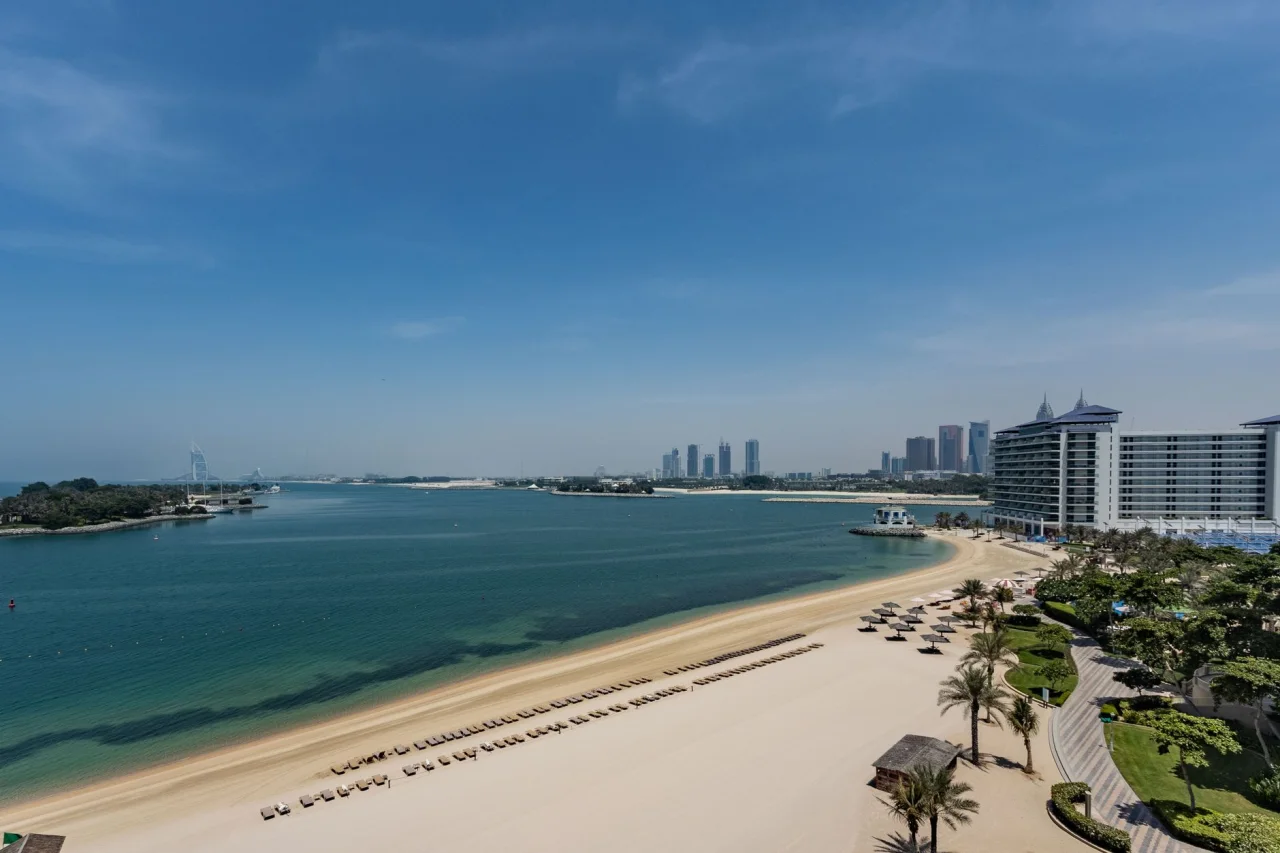
The sticker price is only part of the total. As of 2026, and subject to change, plan for the following on a Dubai purchase:
- DLD transfer fee. The Dubai Land Department charges a property transfer fee of 4 percent of the purchase price. In practice buyers usually cover this in full even though the law frames it as shared.
- Agency commission. Brokerage is commonly around 2 percent of the price plus VAT, agreed in writing up front.
- Trustee and title deed fees. Registration trustee charges and a new title deed issuance fee apply, typically a few thousand dirhams plus VAT.
- Mortgage costs, if financing. Bank arrangement fees, valuation, and mortgage registration with the DLD add to the bill.
Confirm the exact current amounts before you commit, because published fees are periodically revised. A quick sanity check against the DLD portal or a licensed conveyancer avoids surprises at the transfer appointment.
Buying with a mortgage
Financing an ultra-prime villa is possible but tighter than a mid-market home. The UAE Central Bank sets maximum loan-to-value limits. For expatriate buyers, a first property valued under AED 5 million can be financed up to 80 percent of value, meaning a 20 percent deposit, while properties above AED 5 million are capped at 70 percent. A second or subsequent property is limited to 60 percent regardless of value. Since most Palm villas sit well above the AED 5 million line, expect a deposit of at least 30 percent of value plus all the fees above in cash.
Lenders also assess your income, existing debt, and the specific property, and they run their own valuation that can come in below the asking price. Get a mortgage pre-approval before you make offers so you know your real budget. These caps are current as of 2026 and can change, so verify with your bank.
Villas versus other Palm homes
Not everyone shopping the Palm needs a frond villa. The trunk holds apartments, and the term "houses" is often used loosely to cover villas and townhouses together. If you are weighing formats, our Palm Jumeirah houses buyer's guide compares the options side by side, and the villa-specific Palm guide drills further into layouts. For a wider view of the island as a lifestyle purchase, see our buy a house on Palm Jumeirah walkthrough. If your budget or plans point elsewhere in the city, the broader buy a villa in Dubai guide covers freehold villa communities across the emirate.
Living on the fronds: what to expect
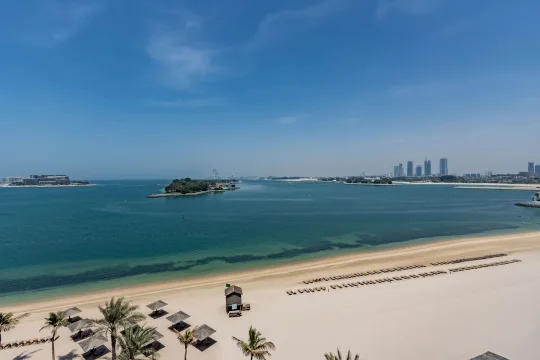
A frond villa is as much a lifestyle choice as an investment. The fronds are quiet, low-rise, and residential, with each home typically enjoying a stretch of private beach and views back toward the trunk or out to the Gulf. Access runs along a single spine road, so the fronds feel private but can be slower to enter and exit at busy times. Residents rely on cars, and the island is served by its own monorail along the trunk. Facilities, dining, and retail cluster on the trunk and the crescent rather than on the fronds themselves.
Think about the practical trade-offs before you commit. Beachfront living means salt air and higher maintenance on pools, landscaping, and finishes, and older original villas may need modernising. Community and service charges apply, and they vary by home, so factor them into your annual running costs alongside cooling and utilities. Confirm the current service charge for the specific villa with the seller and the community management, because these figures change over time.
Due diligence before you sign
A villa at this price level deserves careful checks. Work through the essentials:
- Verify the title deed and confirm the seller is the registered owner through the DLD.
- Check for any mortgage or charge on the property that must be cleared before transfer.
- Confirm outstanding service charges and any developer or community fees are settled.
- Commission a professional building and snagging survey, especially on older or rebuilt villas.
- Agree the commission, deposit, and timeline in a written Memorandum of Understanding, usually the standard Form F.
Real estate is a high-value legal and financial decision, so engage a RERA-registered agent and, for anything complex, a licensed conveyancer or legal advisor. The guidance here is general information, not a substitute for tailored professional advice.
Frequently asked questions
Can foreigners buy a villa on Palm Jumeirah?
Yes. Palm Jumeirah is a designated freehold area in Dubai, so buyers of any nationality can own a villa and its land outright with a title deed registered at the Dubai Land Department.
How much does a Palm Jumeirah villa cost in 2026?
Frond villas are ultra-prime and typically run into the tens of millions of dirhams, with custom beachfront mansions reaching considerably higher. Prices vary widely by frond, view, plot size, and condition, so confirm live figures with a RERA-registered agent or on the DLD and Dubai REST portals.
What fees do I pay on top of the price?
Budget for the 4 percent Dubai Land Department transfer fee, agency commission of around 2 percent plus VAT, trustee and title deed charges, and mortgage costs if you finance. Confirm current amounts before committing, as fees can change.
Can I get a mortgage on a Palm villa?
Yes, though most Palm villas exceed AED 5 million, where the Central Bank caps expatriate first-home financing at 70 percent of value, so expect a deposit of at least 30 percent plus fees in cash. Get pre-approved before making offers.
Does buying a Palm villa give me residency?
Property worth at least AED 2 million can support a UAE Golden Visa application under current rules, subject to conditions that change over time. Treat it as a possible benefit to verify with the official portal, not a guarantee.
More guides on Buying & Off-Plan
Have a question or a topic to suggest?
We read every message. Tell us what you would like to see next on the blog.
Get in touchYou may also like
Palm Jumeirah Houses for Sale 2026
A practical guide to buying a house on Palm Jumeirah: choosing a format, the buying process end to end, total costs, and how the island compares.
Palm Jumeirah Villas: 2026 Buyer Guide
A practical 2026 guide to buying a villa on Dubai's Palm Jumeirah: how the fronds are laid out, freehold ownership for foreigners, what shapes prices, the full fee stack and the due diligence that protects your money.
Buy a House in Palm Jumeirah 2026
A 2026 guide to buying a house on Dubai's Palm Jumeirah: the house types on the island, freehold ownership for foreigners, the step-by-step process, financing, fees and the checks that keep a large purchase safe.