Buying a Home
Palm Jumeirah Houses for Sale 2026
Villa versus house, the buying process, total costs and rental outlook for a home on Dubai's Palm Jumeirah.
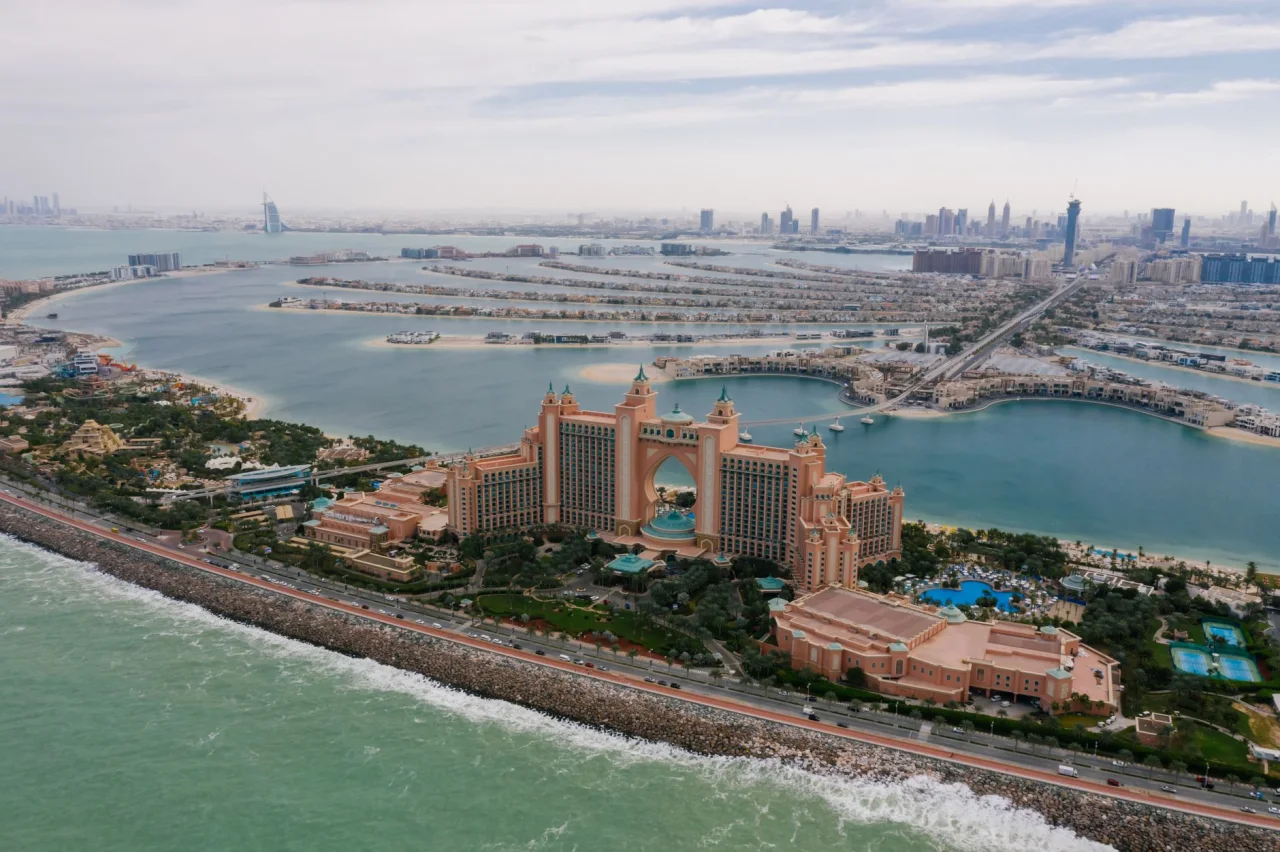
"House" on Palm Jumeirah can mean very different things, from a frond villa with a private beach to a townhouse tucked behind the trunk. This guide focuses on choosing the right format, understanding the buying process end to end, and knowing what you are really paying for. It is general information to help you plan, not personalised financial or legal advice.
The short version
- Palm Jumeirah is a freehold Dubai archipelago developed by Nakheel, so any nationality can buy a house here outright.
- Villas sit on the fronds with beach access, while other house-style homes and apartments cluster on the trunk.
- The purchase process runs through a signed MOU, a deposit, DLD fees, and a transfer appointment at a registration trustee.
- Prices swing widely by location and condition, so verify live figures with a RERA-registered agent or on the DLD and Dubai REST portals.
What "house" means on Palm Jumeirah
Palm Jumeirah is an archipelago of artificial islands in Dubai, developed by Nakheel, with the first homes handed over from 2006. The layout matters when you shop for a house. The fronds hold the villas, many with direct beach frontage and sizes ranging from around two bedrooms to very large formats. The trunk is a denser, mixed zone of apartments and services, and the outer crescent is resort territory. When a listing says "house," it most often means a frond villa, but it can also cover a townhouse or a rebuilt custom home, so always confirm the exact property type and plot before you get attached to a number.
If you want the villa-only view with more detail on frond positions and condition, read our dedicated Palm Jumeirah villas for sale guide, which pairs closely with this one.
Who can buy, and why it is straightforward here
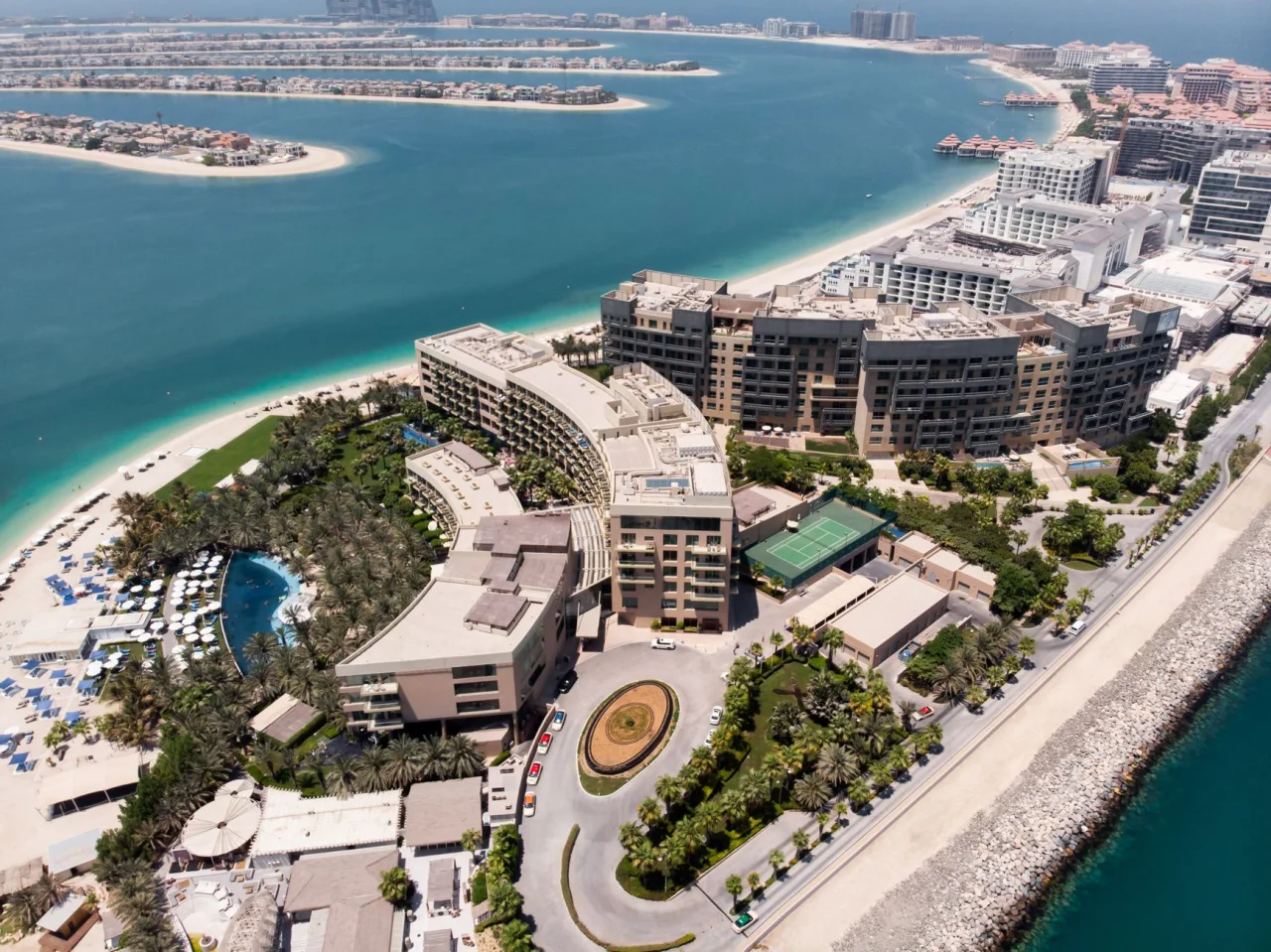
Palm Jumeirah is a designated freehold area, so buyers of any nationality can own the home and its land, hold a Dubai Land Department title deed, and resell or lease freely. That open-ownership model is why the island attracts international buyers and why resale is active. Ownership can also feed into a long-term residency application, since property valued at AED 2 million or more may qualify for the UAE Golden Visa under current, changeable rules. Our Golden Visa requirements guide explains that route and its caveats.
Resale versus off-plan
Most Palm houses trade on the resale market because the island is largely built out, but new and rebuilt product does appear. The two paths differ:
- Ready resale. You see the exact home, beach, and view, move in or lease quickly, and negotiate on real condition. This is the norm for frond villas.
- Off-plan or newly rebuilt. Occasionally a developer or investor offers a new build with a payment plan spread across construction. You trade certainty for potential upside and staged payments, and you take on completion risk.
For a wider look at how staged-payment buying works across Dubai, see our off-plan Dubai guide. On the Palm specifically, ready resale gives you the most control.
What houses cost, and the drivers behind it
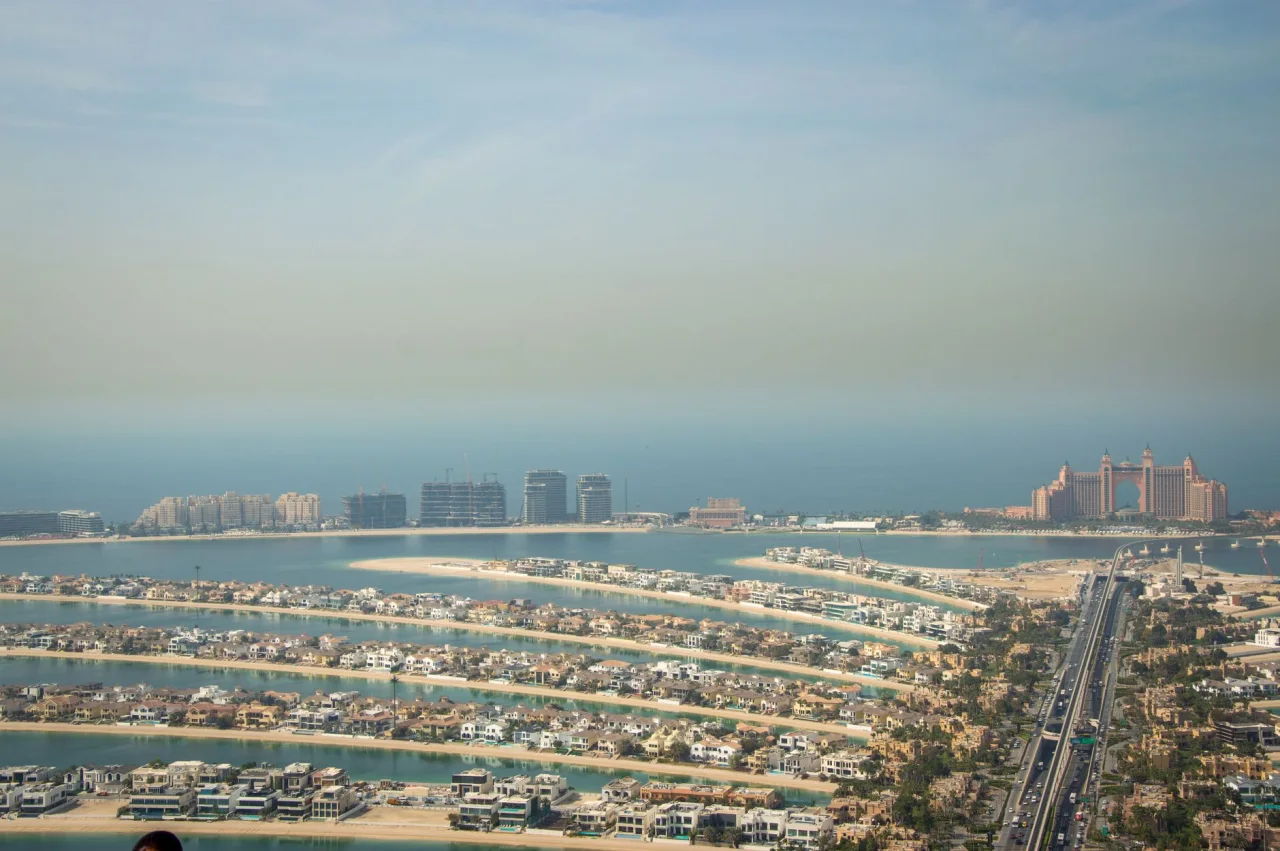
Palm houses span an enormous range. Townhouses and smaller formats sit well below the headline villa figures, while frond villas run into the tens of millions of dirhams and custom beachfront mansions go higher still. Rather than quote a number that dates quickly, weigh the drivers:
- Frond versus trunk location, and whether the home has private beach access.
- View orientation, plot size, and the length of beach frontage.
- Original build versus a modernised or fully rebuilt home.
- Bedroom count, pool, and quality of fit-out.
Note: The Dubai Land Department publishes recorded transaction data. Ask your agent to pull recent sold prices for the same frond or cluster and compare them with the asking price. Figures vary by tower, frond, view, and market conditions, so confirm current pricing with a RERA-registered agent or on the DLD and Dubai REST portals.
The buying process, step by step
Buying a house in Dubai follows a well-defined path. As of 2026, and subject to change, expect roughly this sequence:
- Set your budget and finance. If borrowing, get a mortgage pre-approval so you know your real ceiling before offering.
- View and negotiate. Shortlist homes, then agree price and terms with the seller through your RERA-registered agent.
- Sign the MOU. Both parties sign a Memorandum of Understanding, commonly Form F, and the buyer pays a deposit, typically around 10 percent, held by the agent or trustee. Transfers are registered with the Dubai Land Department.
- Obtain a No Objection Certificate. The developer confirms service charges are clear and issues an NOC to transfer.
- Transfer at a trustee office. Buyer and seller attend a registration trustee, pay the DLD transfer fee and charges, and the title deed is issued in the buyer's name.
A licensed conveyancer can manage this for you, which is worth considering at this value level. The whole process, from signed MOU to title transfer, commonly takes a few weeks on a cash purchase, and longer when a mortgage is involved because the bank's valuation and approval sit on the critical path. Build that timeline into any plans to move in or lease the home, and keep your funds ready so you are not the reason a transfer slips.
Total cost of buying
Beyond the price, budget for the standard Dubai purchase costs: the Dubai Land Department transfer fee of 4 percent of the price, agency commission of around 2 percent plus VAT, registration trustee and title deed fees of a few thousand dirhams plus VAT, and, if you finance, mortgage arrangement, valuation, and registration costs. For expatriate buyers the Central Bank caps a first mortgage at 80 percent of value below AED 5 million and 70 percent above it, with 60 percent on a second property. Most Palm houses sit above AED 5 million, so plan for a deposit of at least 30 percent plus fees in cash. These figures are current as of 2026 and can change, so verify before you commit.
Renting out and resale outlook
Many Palm buyers hold the home partly as an investment, whether through long-term leasing or, where permitted, short-term holiday rentals. If you plan to let a home short-term, you need the correct holiday-home permit and must follow Dubai's rules, and some communities and buildings restrict short lets, so verify the specific home's status before you count on that income. For long-term leasing, tenancy contracts are registered through Ejari, and the RERA rental index guides how much you can raise rent at renewal.
On resale, Palm homes benefit from a globally recognised address and consistent international demand, but the market is cyclical and prices can move both ways. Rental yields on ultra-prime homes tend to be lower in percentage terms than mid-market apartments, because the capital value is so high, though absolute rents are large. Treat any yield or growth figure a seller quotes with caution and cross-check it against recorded transactions and current listings. Figures vary by home and market conditions, so confirm with a RERA-registered agent rather than relying on projections.
Note: Short-term and holiday rental rules, permits, and community restrictions change over time. Before buying a Palm home for rental income, confirm the current requirements with Dubai's tourism authority and the building or community management, and budget for management and maintenance costs that eat into headline yields.
Comparing your options across Dubai
The Palm is a specific lifestyle bet on beachfront island living. If you are still comparing, our houses for sale in Dubai guide covers villa and townhouse communities across the city, and the broad properties for sale in Dubai overview sets out freehold zones, fees, and process for any property type. If a house on the Palm is the goal, our buy a house on Palm Jumeirah walkthrough stays focused on this island.
Frequently asked questions
Can foreigners buy a house on Palm Jumeirah?
Yes. Palm Jumeirah is a freehold area in Dubai, so buyers of any nationality can own a villa, townhouse, or other home outright, with a title deed registered at the Dubai Land Department.
What is the difference between a villa and a house here?
On the Palm, "house" usually means a frond villa with beach access, but it can also cover townhouses or rebuilt custom homes. Always confirm the exact property type, plot, and location on the listing before comparing prices.
How does the buying process work?
You agree terms, sign a Memorandum of Understanding with a deposit, the developer issues a No Objection Certificate, and buyer and seller complete the transfer at a registration trustee where DLD fees are paid and the title deed is reissued.
What extra costs should I budget for?
Plan for the 4 percent DLD transfer fee, around 2 percent agency commission plus VAT, trustee and title deed charges, and mortgage costs if financing. Confirm current amounts before committing, since fees can change.
Can I finance a Palm Jumeirah house?
Yes. For expatriates the Central Bank caps a first mortgage at 80 percent of value under AED 5 million and 70 percent above it. Most Palm houses exceed AED 5 million, so expect a deposit of at least 30 percent plus fees in cash.
More guides on Buying & Off-Plan
Have a question or a topic to suggest?
We read every message. Tell us what you would like to see next on the blog.
Get in touchYou may also like
Palm Jumeirah Villas for Sale 2026
What to know before buying a frond villa on Palm Jumeirah: freehold ownership, price drivers, the fees to budget for, mortgage limits, and due diligence.
Palm Jumeirah Villas: 2026 Buyer Guide
A practical 2026 guide to buying a villa on Dubai's Palm Jumeirah: how the fronds are laid out, freehold ownership for foreigners, what shapes prices, the full fee stack and the due diligence that protects your money.
Buy a House in Palm Jumeirah 2026
A 2026 guide to buying a house on Dubai's Palm Jumeirah: the house types on the island, freehold ownership for foreigners, the step-by-step process, financing, fees and the checks that keep a large purchase safe.