Palm Jumeirah Homes
Buy a House in Palm Jumeirah 2026
House types, freehold rules, the step-by-step process, mortgages, fees and a clear due diligence checklist.
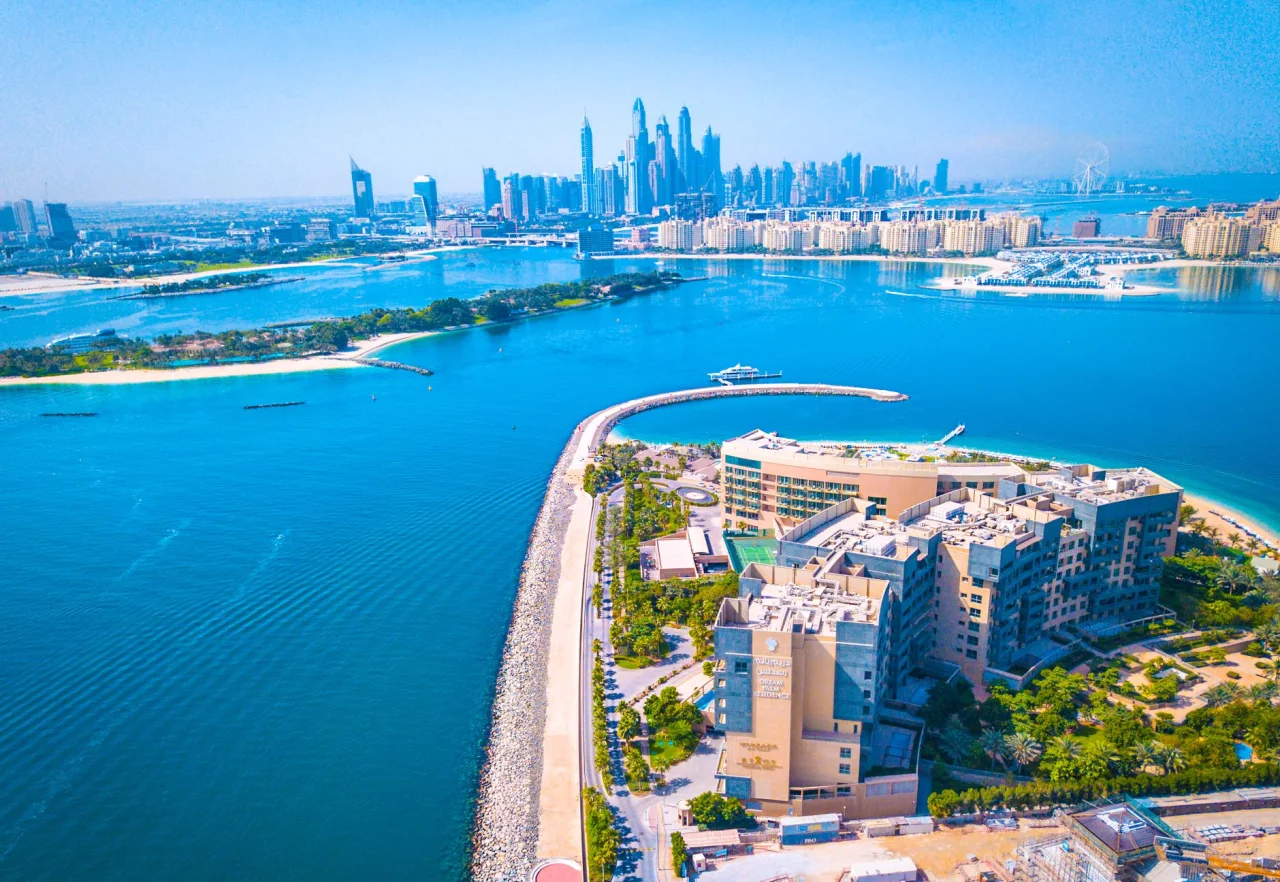
Buying a house on Palm Jumeirah puts you on one of Dubai's most famous addresses: a man-made island shaped like a palm tree, with private beaches on the fronds and the skyline across the water. This guide focuses on the how: the types of house available, the freehold rules, the step-by-step buying process, financing, and the fees and checks that keep a large purchase safe.
The short version
- Palm Jumeirah is a Nakheel-built artificial archipelago; the residential fronds hold the villas, while townhouse-style and apartment homes sit elsewhere on the island.
- It is a designated freehold area, so non-UAE nationals can buy a house outright with a title deed registered at the Dubai Land Department.
- The buying process runs from budgeting and pre-approval through deed and NOC checks to a trustee-office transfer.
- On top of the price, budget the Dubai Land Department transfer fee of a standard 4 percent plus trustee, agency and any mortgage costs.
Palm Jumeirah in brief
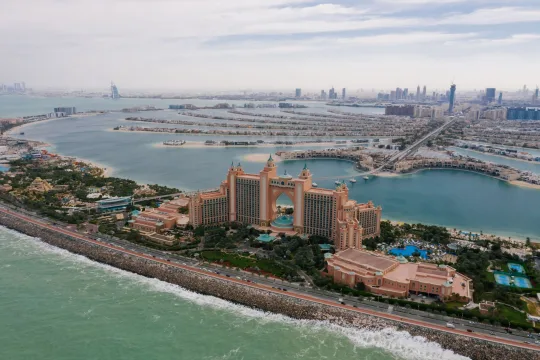
Palm Jumeirah is an artificial archipelago on Dubai's Persian Gulf coast, created through land reclamation and shaped to look like a palm tree from above. It was built by the Dubai developer Nakheel, with construction starting in 2001. The island has three parts: a central trunk that mixes commercial and residential use, a set of residential fronds that hold homes and villas, and an outer crescent lined with luxury resorts. Population passed 25,000 residents by 2022.
For buyers, that layout matters. The word "house" on the Palm usually means a villa on a frond, but the island also has townhouse-style homes such as the Canal Cove units and a large apartment market on the trunk and crescent. If you specifically want a frond villa and its pricing benchmarks, read our companion Palm Jumeirah villa buyer's guide; for a wider listing view, see Palm Jumeirah houses for sale.
Types of house you can buy
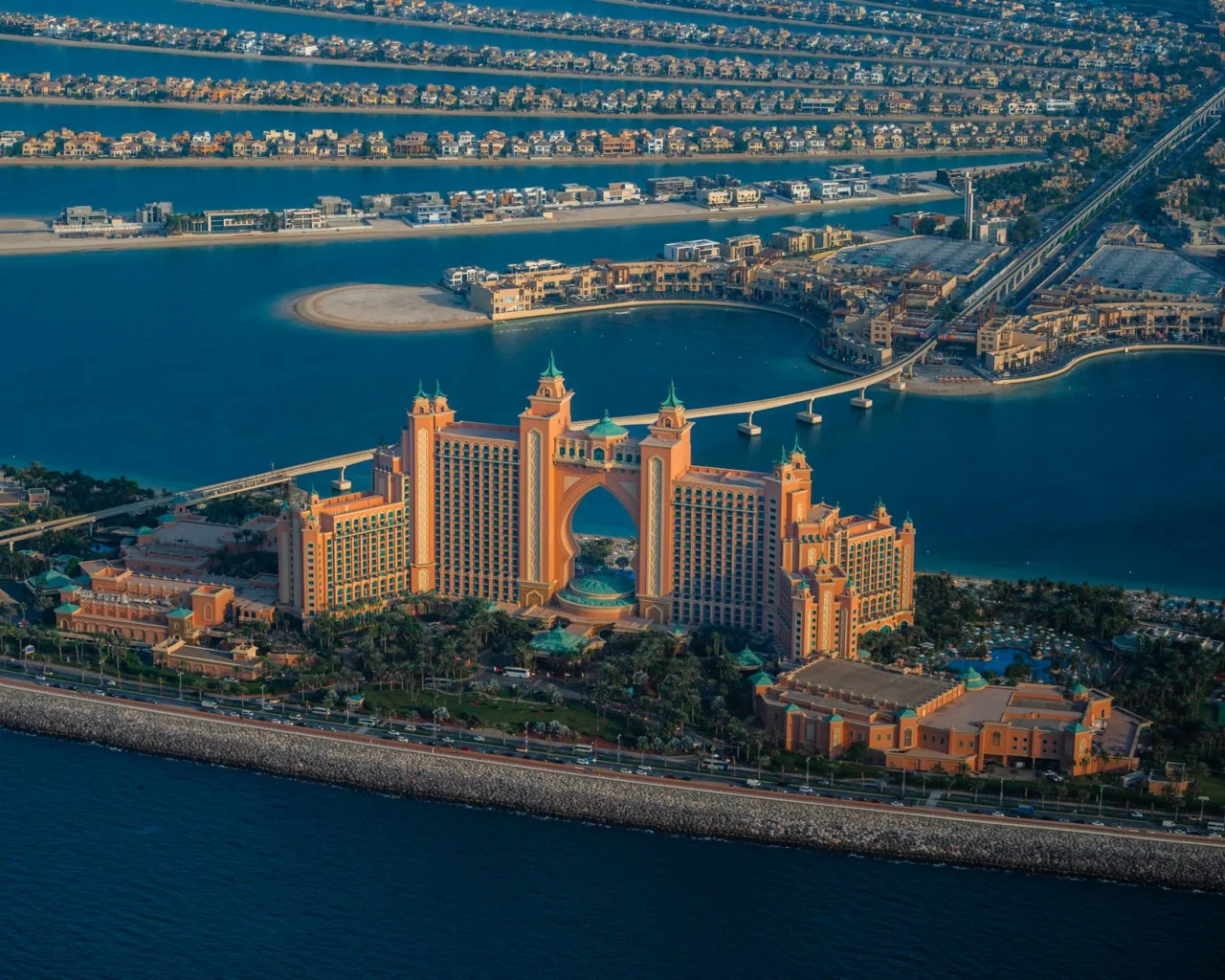
- Frond villas. Detached family homes on the private fronds, many with direct beach frontage. These are the flagship Palm houses and the most expensive.
- Townhouse-style homes. Row-home layouts such as Canal Cove, offering island living at a lower entry point than a full frond villa.
- Renovated and custom villas. Original homes that owners have extended or rebuilt, which vary widely in condition and price.
Because homes of the same nominal type can differ greatly after renovation, always judge a specific property on its own condition, plot and position rather than the type name alone.
Can foreigners buy a house here?
Yes. Palm Jumeirah sits in a designated freehold area, so non-UAE nationals can own a house outright rather than on a leasehold. Ownership is recorded on a title deed registered with the Dubai Land Department (DLD), Dubai's official property registry. You do not need to be a resident to buy, and qualifying property ownership can also support a residency application. If you are buying partly to secure residency, see our guide to Golden Visa requirements for how the property route works.
Tip: check the deed, not the listing.
Freehold status attaches to the specific property and shows on the DLD title deed. Verify it through official DLD channels or the Dubai REST app before you commit any money.
The step-by-step buying process
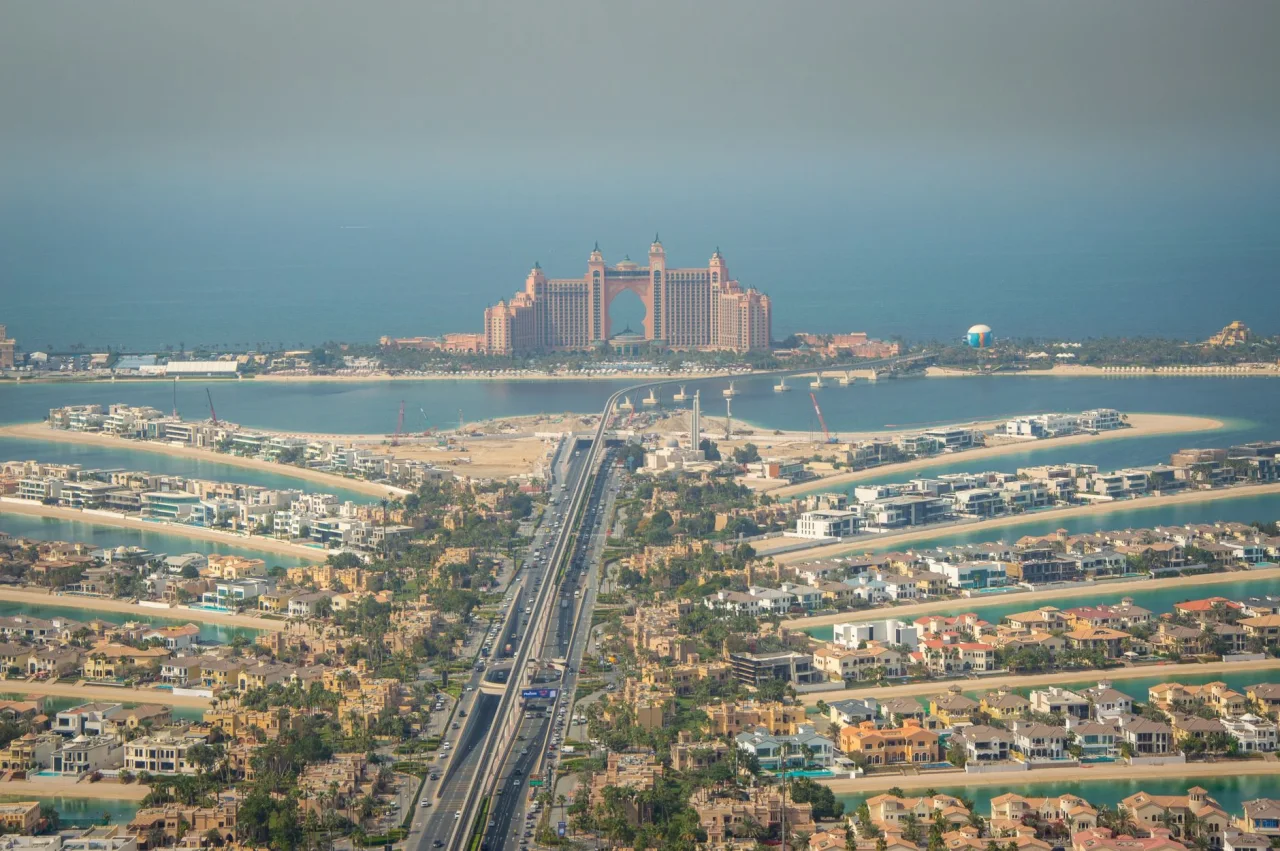
- Set an all-in budget. Include the price plus transfer, trustee, agency and, if financing, mortgage costs, along with ongoing service charges.
- Arrange mortgage pre-approval, if needed. Get a lender's approval in principle so you know your ceiling before you shortlist.
- Shortlist and view. Narrow by house type, frond or location, and view in person to check the actual view, beach access and condition.
- Agree terms. Sign a sale agreement (an MOU or Form F) and pay the agreed deposit into the correct channel.
- Verify and clear. Confirm the deed, obtain a developer or community No Objection Certificate (NOC), and clear any existing mortgage on the property.
- Complete the transfer. Finalise at a registered trustee office, pay the DLD fee, and receive the new title deed.
Financing a Palm house
Many Palm purchases are cash, but mortgages are available to residents and, from some lenders, non-residents. UAE mortgage lending is regulated, with loan-to-value limits, affordability checks, and stricter terms and larger deposits for non-residents and higher-value homes. Because a Palm house is a large ticket, the deposit and fees together can be a significant upfront sum before any furnishing. A licensed mortgage adviser can model your exact numbers; this article is general information, not financial advice.
The fees you will pay
- DLD transfer fee. A standard 4 percent of the property value at registration.
- Trustee office fee. Commonly around AED 4,000 for higher-value deals, plus a title deed issuance charge.
- Agency commission. Typically a percentage of the price plus VAT, agreed in writing.
- Mortgage costs, if financing. A DLD mortgage registration fee plus bank arrangement and valuation charges.
- Service charges. Ongoing community and maintenance fees, which can be meaningful on a beachfront community.
These figures are current guidance as of 2026 and subject to change. Confirm the exact schedule on the official DLD portal or with your conveyancer before you transact. On price itself, figures vary by frond, house type, condition and view; confirm current values with a RERA-registered agent or recent recorded transactions on the DLD and Dubai REST portal rather than relying on asking prices.
Due diligence checklist
- Confirm the seller's identity matches the title deed and that they can sell.
- Check for any mortgage or charge that must be cleared at transfer.
- Obtain the developer or community NOC confirming service charges are settled.
- Review outstanding service charges and community rules on renovation and short-term letting.
- Use a registered trustee office and move funds only through proper channels.
- For an older or renovated home, commission a professional survey of the structure, pool and any extensions.
Note: use RERA-registered professionals.
Work with a brokerage and agent registered with Dubai's Real Estate Regulatory Agency (RERA), and confirm any lawyer or conveyancer is licensed. The DLD publishes broker and developer directories you can check against.
Is a Palm house right for you?
A Palm Jumeirah house suits buyers who want beachfront living on a landmark island and are comfortable with the price and running costs that come with it. If the budget is a stretch, a townhouse-style home or an apartment on the trunk or crescent can offer island living for less, and the newer Palm Jebel Ali offers a comparable waterfront concept elsewhere in Dubai. For a wider view of the buying market beyond the Palm, our guide to buying a house in Dubai covers other villa and townhouse communities across the city.
Frequently asked questions
Can a foreigner buy a house on Palm Jumeirah?
Yes. Palm Jumeirah is a designated freehold area in Dubai, so non-UAE nationals can own a house outright with a title deed registered at the Dubai Land Department. You do not need to be a resident to buy.
What types of house are on the Palm?
Mainly frond villas, which are the flagship detached homes on the private fronds, along with townhouse-style homes such as Canal Cove and a large apartment market on the trunk and crescent. Renovated and custom villas vary widely in condition and price.
How does the buying process work?
In outline: set an all-in budget, arrange any mortgage pre-approval, shortlist and view, agree terms in a signed contract and pay a deposit, verify the deed and obtain the NOC, then complete the transfer at a registered trustee office and receive the new title deed.
What fees apply on top of the price?
Budget for the Dubai Land Department transfer fee of a standard 4 percent, a trustee office fee and title deed charge, agency commission plus VAT, any mortgage costs, and ongoing community service charges. Confirm the exact schedule on the official DLD portal before you buy.
Can I get a mortgage on a Palm house?
Yes, mortgages are available to residents and, from some lenders, non-residents, subject to loan-to-value limits, affordability checks and larger deposits for higher values. Terms vary by lender, so speak to a licensed mortgage adviser for figures specific to your situation.
Who built Palm Jumeirah?
Palm Jumeirah is a man-made archipelago built by the Dubai developer Nakheel, with construction beginning in 2001. It is arranged as a trunk, residential fronds that hold the villas, and an outer crescent with luxury resorts.
More guides on Buying & Off-Plan
Have a question or a topic to suggest?
We read every message. Tell us what you would like to see next on the blog.
Get in touchYou may also like
Palm Jumeirah Villas: 2026 Buyer Guide
A practical 2026 guide to buying a villa on Dubai's Palm Jumeirah: how the fronds are laid out, freehold ownership for foreigners, what shapes prices, the full fee stack and the due diligence that protects your money.
Palm Jumeirah Houses for Sale 2026
A practical guide to buying a house on Palm Jumeirah: choosing a format, the buying process end to end, total costs, and how the island compares.
Buy House in Dubai (2026)
Rent versus buy, townhouse versus villa, freehold rules, fees and mortgage caps, with realistic price context for house buyers in Dubai.