Dubai Buying
Buy House in Dubai (2026)
Rent vs buy, house types, freehold rules, fees, mortgage caps and the buying process for Dubai, as general information.
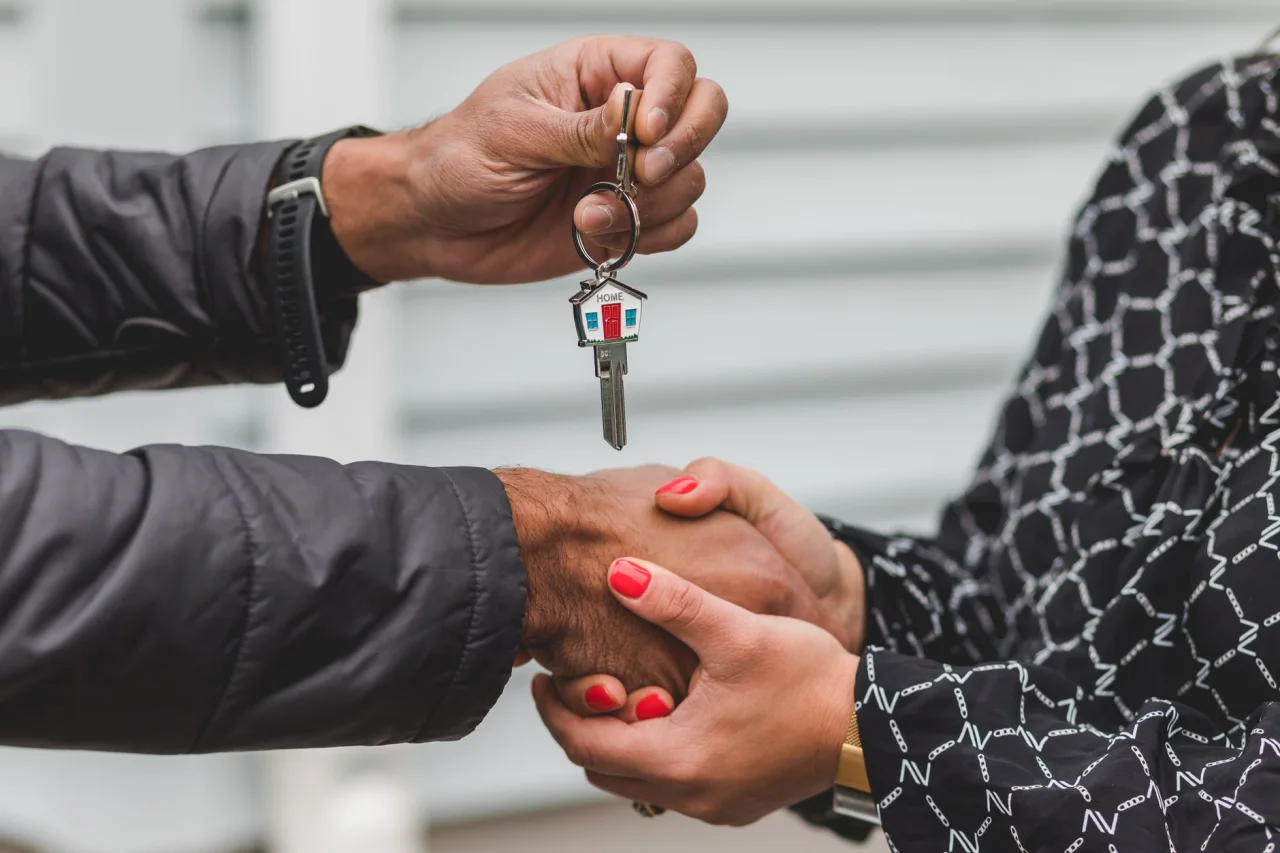
Buying a house in Dubai has become a realistic goal for many residents, thanks to freehold ownership for foreigners and a maturing mortgage market. Whether you are after a townhouse in a family community or a detached villa, the process rewards buyers who understand the fees, the freehold rules and the difference between ready and off plan homes. This guide sets out the steps and realistic price context as general information, not personalised financial advice.
The short version
- Foreigners can buy houses outright in Dubai's designated freehold areas, registered with the Dubai Land Department.
- House means different things here: townhouses are the accessible entry point, detached villas the step up.
- Plan for the 4 percent DLD transfer fee, agency commission and registration costs above the purchase price.
- Mortgage loan to value caps set your minimum down payment, so arrange financing before you shortlist.
Should you buy or keep renting?
The rent versus buy question is the natural starting point. Buying builds equity, gives you a home you control, and, in a designated freehold area, an asset you own outright. Renting keeps you flexible and avoids large upfront transaction costs. The maths depends on how long you plan to stay: transaction fees mean buying usually makes more sense over a longer horizon than a year or two.
If you are still comparing, it helps to know current rental costs. Our guides to apartments for rent in Dubai and studios for rent give a sense of the alternative before you commit capital to buying.
What counts as a house in Dubai

House buyers in Dubai generally choose between two formats. Townhouses are terraced or semi detached homes in master communities, usually the more affordable route to a private front door and a small garden. Detached villas are standalone homes with larger plots, more privacy and a higher price. Both come in ready and off plan forms and sit within gated communities that often include pools, parks, schools and retail.
Your choice comes down to budget, space needs and how much community infrastructure you want. For a deeper look at the villa end of the market, our villa for sale in Dubai guide covers detached homes, while this guide keeps the wider view across house types.
Freehold ownership for foreigners
Dubai permits foreign nationals to own property outright in designated freehold areas, a framework established in the early 2000s. In these zones you own the home and its land and register the title with the Dubai Land Department. Elsewhere, some areas are leasehold, giving you a long lease rather than outright ownership. Confirm which applies to any community you are considering, because it affects your rights and resale.
Many of Dubai's popular house communities lie within freehold zones, which is a large part of why they attract international buyers. For the broader legal and market backdrop, see our complete UAE real estate guide.
Price context and the caveat

House prices in Dubai span a broad range. Townhouses in emerging master communities sit at the more accessible end, established family villa communities occupy the middle, and prime detached villas on landmark addresses reach the top of the market. Price is driven by community, plot and built size, bedroom count, view, finish and whether the home is ready or off plan.
Note on figures: House prices vary widely by community, size, view and market conditions, and they move over time. Do not anchor on a single number. Check current listings on the major UAE portals, review recorded transaction data, and confirm pricing with a RERA registered agent or on the Dubai Land Department and Dubai REST channels before making an offer.
The costs beyond the price
The purchase price is only part of what you pay. Key additional costs include:
- DLD transfer fee of 4 percent of the purchase price, often borne by the buyer in practice.
- Agency commission, commonly around 2 percent plus VAT.
- Registration and trustee office fees, including a fixed trustee charge that varies with property value.
- Mortgage registration and valuation fees if you finance the purchase.
These reflect the position as of 2026 and can change, so verify the current schedule with the Dubai Land Department or a RERA registered agent. Budgeting several percent of the price for transaction costs is a sensible starting assumption.
Financing your purchase
You can buy a house in cash or with a UAE mortgage. As of 2026, the UAE Central Bank sets loan to value caps: expatriates buying a first property valued up to AED 5 million can generally borrow up to 80 percent, needing a 20 percent cash down payment, with a larger deposit required above that value and for second properties, and a lower cap on off plan purchases. These rules determine how much cash you need upfront.
Tip: Secure a mortgage pre approval before viewing. It fixes your realistic budget, signals to sellers that you are serious, and stops you committing emotionally to a house that sits beyond what a bank will lend against.
Lending rules are set by the regulator and can change, and this is general information rather than personalised financial advice. Speak to a bank or mortgage broker about your own situation before you shortlist.
Ready versus off plan houses
A ready house exists now, so you can inspect it, move in or rent it out straight away, and judge the surrounding community. An off plan house is bought from a developer before completion, often with a staged payment plan and a lower entry price, but it carries construction and delivery risk. If you go off plan, choose reputable developers, verify the project is registered with the authorities, and read the payment and handover terms carefully.
Our off plan Dubai guide weighs these trade offs, and if you are set on a specific format, the buy a villa in Dubai guide focuses on detached homes.
Step by step: buying a house
- Set a full budget, including the 4 percent DLD fee, commission and other costs, and arrange pre approval if borrowing.
- Choose the format and community, checking freehold or leasehold status for each area.
- View and carry out due diligence, inspecting the home and reviewing service charges and the developer's track record.
- Agree terms and sign the MOU, paying the deposit, usually around 10 percent, through a registered process.
- Complete the transfer at the DLD or a trustee office, settle the fees and receive your title deed.
Working with a RERA registered agent throughout gives you a licensed, accountable partner. Buyers who also want residency should read how the purchase can support a UAE Golden Visa through the property route.
Frequently asked questions
Can I buy a house in Dubai as a foreigner?
Yes. Foreign nationals can buy houses outright in Dubai's designated freehold areas, registering ownership at the Dubai Land Department and receiving a title deed. Some areas are leasehold, giving a long lease rather than outright ownership. Confirm the tenure of any community before buying, ideally with the help of a RERA registered agent.
Is a townhouse cheaper than a villa?
Generally yes. Townhouses are terraced or semi detached homes and usually offer a more affordable route to a private house with a small garden, while detached villas have larger plots, more privacy and higher prices. Your choice depends on budget, space needs and how much community infrastructure you want. Compare current listings for both formats.
What total costs should I budget for?
Beyond the price, plan for the 4 percent Dubai Land Department transfer fee, agency commission of around 2 percent, registration and trustee office fees, and mortgage related charges if you borrow. Setting aside several percent of the purchase price for transaction costs is realistic. Confirm the current fee schedule with the DLD or a licensed agent.
How much can I borrow to buy a house?
As of 2026, UAE Central Bank rules generally allow expatriates to borrow up to 80 percent on a first property valued up to AED 5 million, meaning a 20 percent cash down payment, with more required above that value, for second properties and for off plan homes. Rules can change, so confirm your borrowing capacity with a bank or broker.
Is this financial advice?
No. This guide is general information about buying a house in Dubai, not personalised financial or legal advice. Prices, fees and lending rules change and individual circumstances differ. Verify current figures on the Dubai Land Department and Dubai REST channels, and consult a RERA registered agent or licensed advisor before committing.
More guides on Buying & Off-Plan
Have a question or a topic to suggest?
We read every message. Tell us what you would like to see next on the blog.
Get in touchYou may also like

Villa for Sale in Dubai (2026)
Freehold ownership, the 4 percent DLD fee, mortgage rules and ready versus off plan homes, with realistic price context for Dubai villa buyers.

Buy Property in Dubai: 2026 Guide
A 2026 buyer's guide to purchasing property in Dubai: who can buy freehold, the fees beyond the price, financing, the step-by-step process and the pitfalls to avoid.

Off-Plan Dubai: 2026 Buyer Guide
A 2026 guide to buying off-plan in Dubai: what off-plan means, how project escrow and RERA safeguard your payments, Oqood registration, payment plans and fees, and the developer due diligence that matters most.