Dubai Property Guide · UAE Real Estate (General)
Real Estate Property in Dubai Guide
Freehold zones, property types, real costs, the purchase process, and how renting and residency work for property in Dubai.
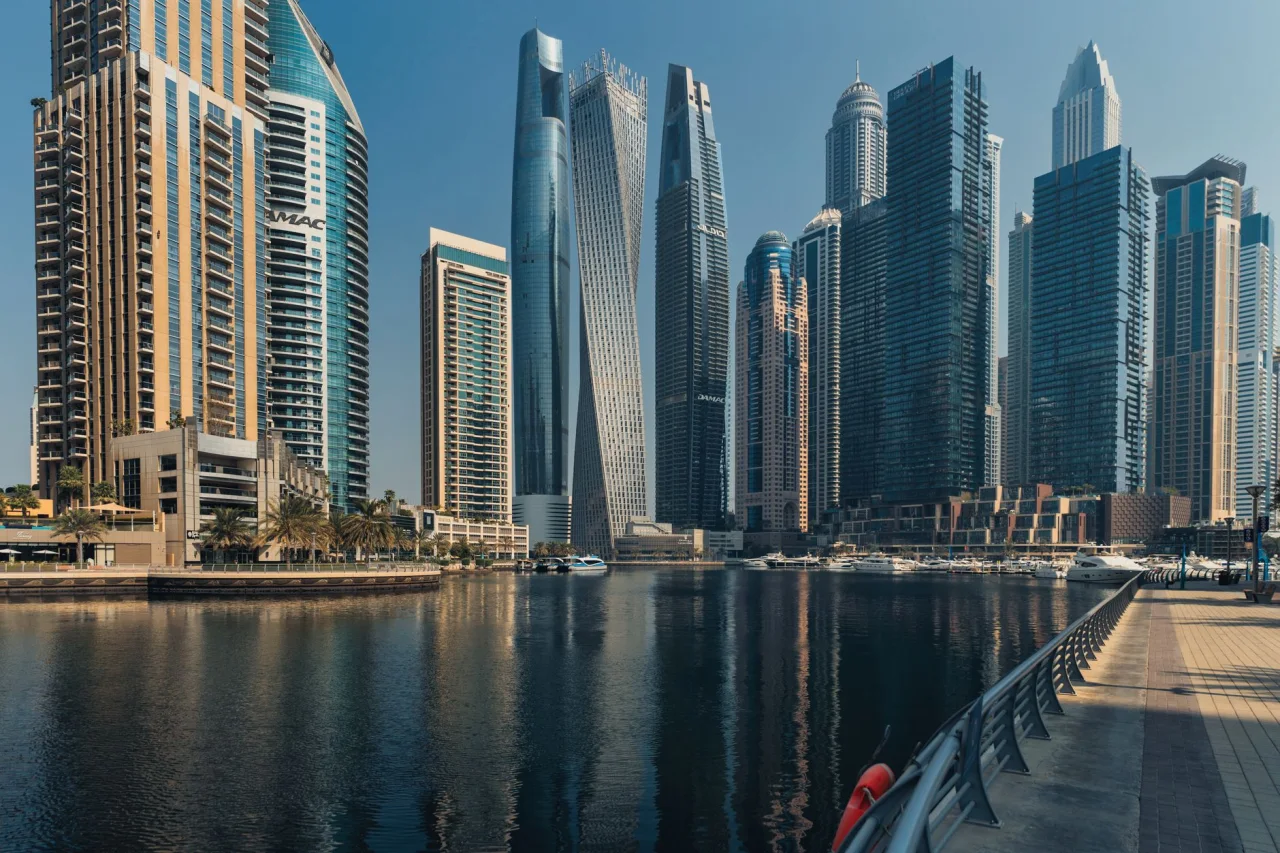
Dubai is where most international property activity in the UAE concentrates, with freehold ownership open to foreigners, no annual property tax, and a mature regulatory system. This complete guide explains how real estate property in Dubai works in 2026: the freehold zones, the communities, the true costs, and the buying process. Treat it as general information, not personalised financial or legal advice.
The short version
- Foreigners can own freehold property in Dubai's designated areas without restriction, or hold usufruct and leasehold rights for terms up to 99 years, with title deeds issued by the Dubai Land Department.
- The single largest transaction cost is the Dubai Land Department transfer fee of 4 percent of the purchase price, on top of agency, registration and trustee charges.
- Owning Dubai property valued at AED 2 million or more can qualify you for a long-term Golden Visa, subject to current official criteria.
- Prices and service charges vary widely by community, tower, floor and view, so always confirm live figures with a RERA-registered agent or on the Dubai Land Department and Dubai REST portals.
Why buyers choose Dubai property
Dubai combines a fast-growing economy, a central location between Europe and Asia, and a property market that has matured considerably since freehold ownership was opened to non-citizens. The practical appeal is a mix of factors: no annual property tax on residential homes, a wide range of price points from compact studios to beachfront villas, relatively high rental yields compared with many mature global cities, and a residency pathway tied to ownership.
None of that removes risk, and a serious buyer treats headline figures as ranges and verifies anything that affects their money. Dubai sits within the wider UAE market, so it is worth reading this alongside our broader guide to Dubai real estate and our overview of property across the UAE.
Freehold zones and where you can own
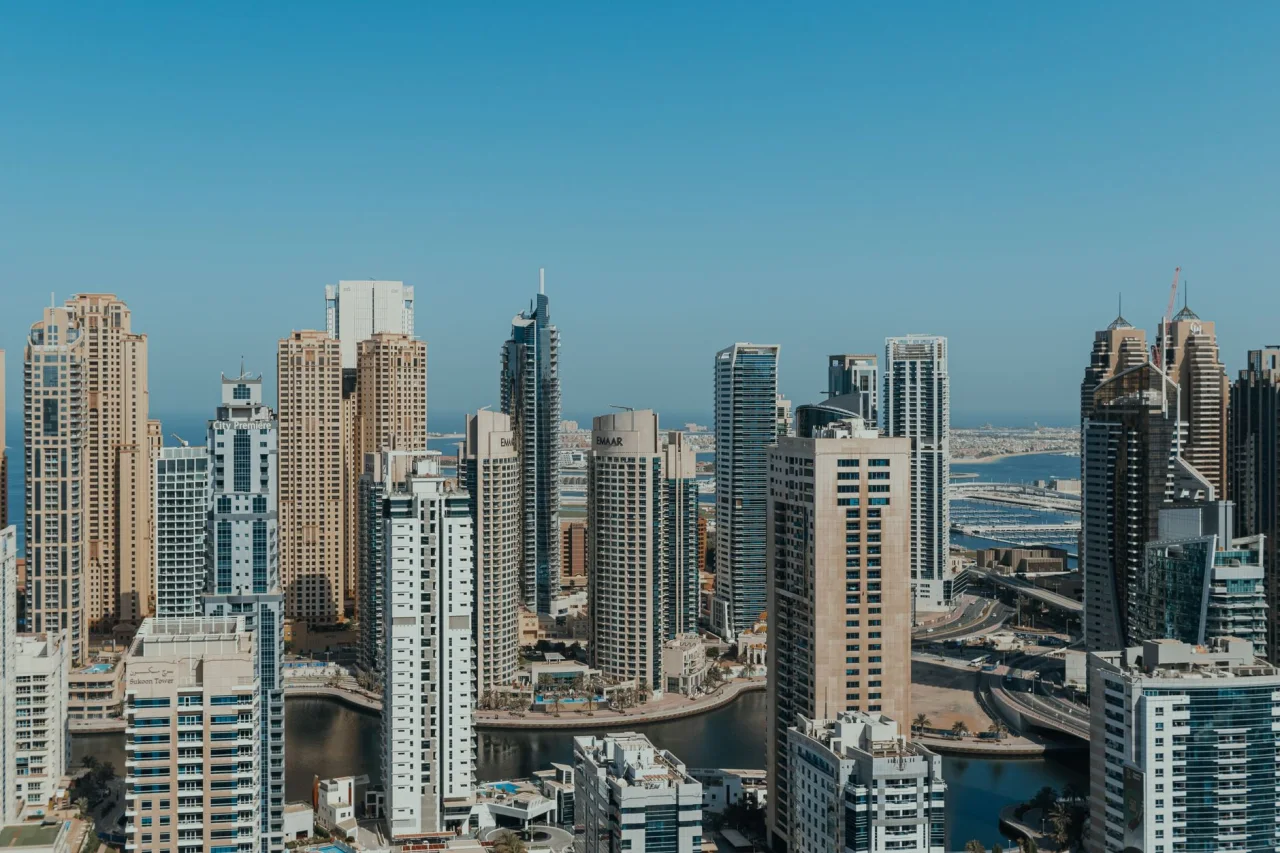
In Dubai, foreigners may acquire freehold ownership in designated areas without restriction, or hold usufruct and leasehold rights for terms up to 99 years. The official UAE government summary of expatriates buying property in the UAE confirms that Dubai grants freehold ownership rights to foreigners in designated zones, alongside usufruct and long leaseholds.
Well-known freehold communities include Downtown Dubai, Dubai Marina, Palm Jumeirah, Business Bay, Jumeirah Village Circle, Dubai Hills Estate and Dubai Creek Harbour, among many others. Each has a different character, price point and rental profile. Because designation is defined by regulation and can differ plot by plot, never assume a specific unit is freehold: confirm it on the title deed and with the Dubai Land Department before committing.
Property types across Dubai
Dubai offers a full spectrum of homes, and matching the type to your goals matters more than chasing a trend:
- Apartments: from studios to large family units in towers, the most liquid segment and popular with investors. See our guide to apartments in Dubai.
- Townhouses: a middle option offering more space than an apartment in gated communities.
- Villas: family and premium homes in communities such as Arabian Ranches and Dubai Hills. See our guide to villas in Dubai.
- Off-plan units: bought before or during construction on staged payment plans, with buyer funds protected in escrow.
Tip: verify the community rules
Beyond price, check the community's service charges, any developer restrictions on leasing, and the master developer behind the project. Two similar apartments in different towers can have very different holding costs. Confirm the details with a RERA-registered agent before you shortlist.
What Dubai property really costs
The headline price is only the beginning. The largest single cost is the Dubai Land Department transfer fee of 4 percent of the purchase price. By law it is meant to be shared between buyer and seller, but in practice buyers commonly pay the full amount, so budget for it. On top of that, expect:
- A property registration fee (a fixed administrative charge that varies by property value) plus VAT on that fee.
- Agency commission, commonly around 2 percent of the purchase price plus VAT.
- A trustee or transfer office fee, and mortgage registration costs if you borrow.
- Ongoing annual service charges set per community and tower, which fund maintenance and amenities.
Prices and service charges vary enormously by community, tower, floor and view, and market conditions move. For any specific home, confirm current figures with a RERA-registered agent or on the Dubai Land Department and Dubai REST portals rather than relying on rounded estimates. Our guide to buying property in Dubai works through benchmark ranges and fees in more detail.
The buying process step by step
Whether you buy ready or off-plan, the Dubai process follows a recognisable path:
- Set a realistic budget that includes fees, not just the sticker price, and get mortgage pre-approval if you are borrowing.
- Search verified listings with a registered agent and shortlist.
- Agree terms and sign a Memorandum of Understanding, typically with a deposit held by the agent or trustee.
- Obtain a No Objection Certificate from the developer where required, confirming service charges are clear.
- Complete the transfer at a registration trustee office, pay the fees, and receive the title deed from the Dubai Land Department.
For off-plan purchases, payments follow a construction-linked plan and buyer funds are protected through a regulated escrow account. Off-plan can offer lower entry prices and flexible instalments but carries completion and market-timing risk, so read the sales contract and developer track record carefully. Our overview of buying off-plan in Dubai covers those trade-offs.
Renting, Ejari and the rental index
Many residents rent before they buy. Tenancy in Dubai is registered through the Ejari system, which formalises the contract and is required for utilities and visas. The Dubai Land Department and its Dubai REST app handle registration, renewal and rental dispute services. Rent increases are governed by a published rental index rather than set freely, which gives tenants a reference point at renewal. Typical rents span a very wide range by area and property type, so confirm current asking rents with the landlord or agent before you commit.
Investing and residency in Dubai
Property ownership can unlock long-term residency. According to the official UAE government page on the Golden Visa, one qualifying route is property ownership at a minimum value of AED 2 million, with a real-estate-based residency of five years. Criteria and durations can change, so verify the current rules on the official portal before planning a purchase around a visa.
As an investment, Dubai property is valued for rental yields and capital growth potential, but returns are never guaranteed and depend on location, timing, service charges and financing costs. Our guide to investing in Dubai sets out the returns and risks honestly, framing any yield as a general range rather than a promise.
Frequently asked questions
Can foreigners buy property in Dubai?
Yes. Foreigners may own freehold property in Dubai's designated areas without restriction, or hold usufruct and leasehold rights for up to 99 years, with title deeds issued by the Dubai Land Department. Because designation can differ plot by plot, confirm the ownership type on the title deed and with the Dubai Land Department for any specific property.
How much are the fees when buying property in Dubai?
The largest cost is the Dubai Land Department transfer fee of 4 percent of the purchase price, which buyers commonly pay in full. On top of that, budget for a property registration fee plus VAT, agency commission of around 2 percent plus VAT, trustee and mortgage registration costs, and ongoing annual service charges. Confirm exact amounts for your purchase with a RERA-registered agent.
Which areas of Dubai are freehold?
Freehold ownership is allowed in designated areas defined by regulation. Well-known freehold communities include Downtown Dubai, Dubai Marina, Palm Jumeirah, Business Bay, Jumeirah Village Circle, Dubai Hills Estate and Dubai Creek Harbour, among others. Because the exact designation can vary by plot, always verify on the title deed and with the Dubai Land Department before you buy.
Does buying property in Dubai give me residency?
It can. Owning Dubai property valued at AED 2 million or more is one qualifying route for the long-term Golden Visa, with a five-year real-estate residency under current rules. Thresholds and conditions can change, so verify the latest criteria on the official UAE government portal before relying on a visa outcome.
Are the prices in this guide exact?
No. All figures here are general ranges for context only. Actual prices, rents, service charges and fees vary by community, tower, floor, view and market conditions. Always confirm live figures with a RERA-registered agent or on the Dubai Land Department and Dubai REST portals before making a financial decision.
More guides on UAE Real Estate (General)
Have a question or a topic to suggest?
We read every message. Tell us what you would like to see next on the blog.
Get in touchYou may also like

Dubai Real Estate Guide
The hub guide to Dubai property: market structure, who can own where, costs and fees, renting versus buying, investing and the regulations that protect you.

Buy Property in Dubai: 2026 Guide
A 2026 buyer's guide to purchasing property in Dubai: who can buy freehold, the fees beyond the price, financing, the step-by-step process and the pitfalls to avoid.

Off-Plan Dubai: 2026 Buyer Guide
A 2026 guide to buying off-plan in Dubai: what off-plan means, how project escrow and RERA safeguard your payments, Oqood registration, payment plans and fees, and the developer due diligence that matters most.