Developer Profile · UAE Real Estate (General)
Dubai Holding UAE: Full Guide
What Dubai Holding is, the assets connected to it, and how to judge a project on its own facts, not just the brand.
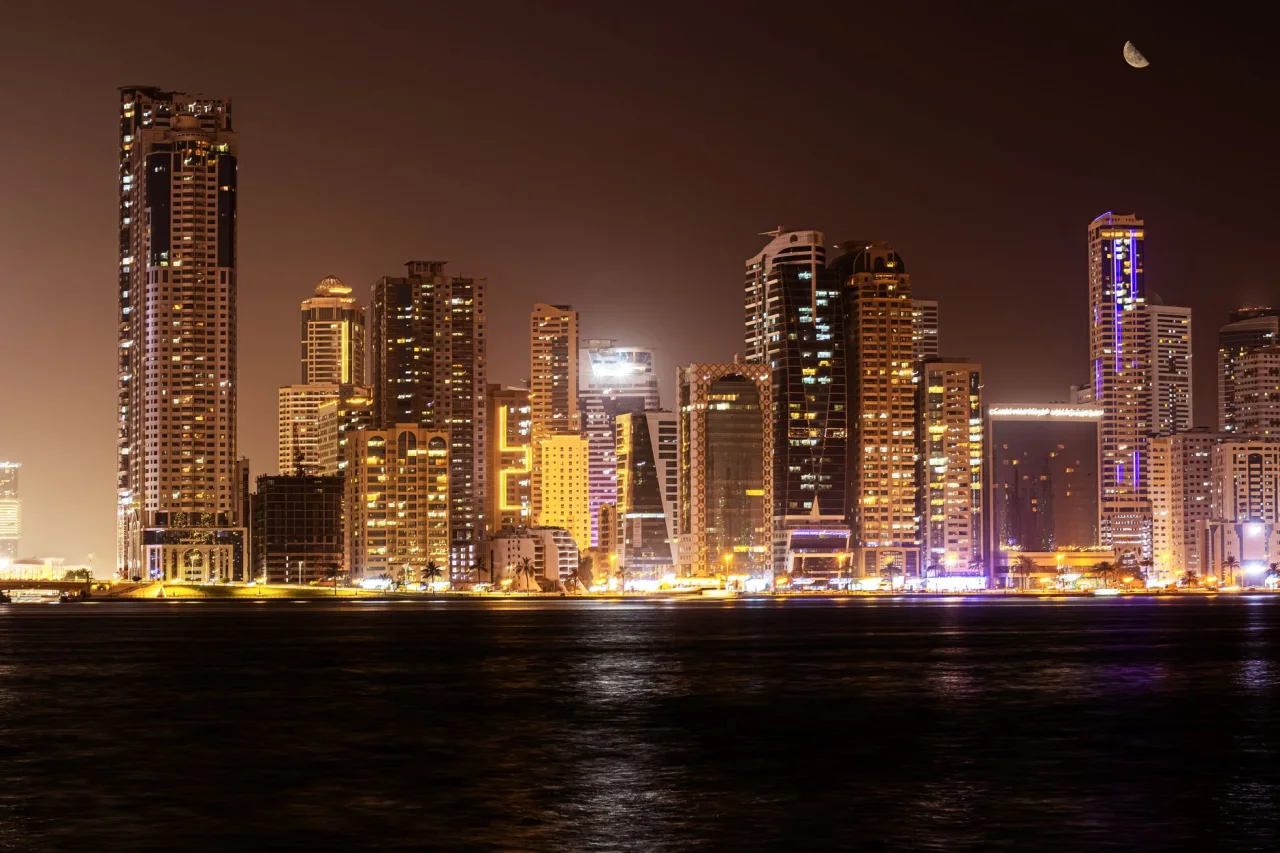
Dubai Holding is one of the names that sits behind a large slice of Dubai's property, hospitality and business districts, yet many buyers only encounter it as a logo on a community sign. This guide explains what Dubai Holding is, the communities and assets connected to it, and why any of that matters when you are choosing a home or an investment. It is general information, not personalised financial or legal advice.
The short version
- Dubai Holding is the state linked global investment company and personal portfolio of Dubai's ruler, established in 2004.
- Its interests span real estate, hospitality, business parks, media and more, through a family of well known subsidiaries.
- For property buyers, the practical value is scale, track record and long term stewardship of the communities it develops.
- A developer's reputation matters, but you still judge each specific project and unit on its own facts, prices and service charges.
What Dubai Holding is
Dubai Holding is described in public records as the global investment holding company and personal investment portfolio of Sheikh Mohammed bin Rashid Al Maktoum, the ruler of Dubai. It operates as a state linked entity and was established in 2004. Rather than a single developer, it is a diversified group with interests across several sectors, and it holds a portfolio of assets both inside and outside the UAE. You can read a broad profile on the Dubai Holding encyclopaedia entry.
Because it sits close to the emirate's leadership and has operated for two decades, Dubai Holding is often cited as one of the anchor institutions in Dubai's growth story, alongside other major government linked developers. For a buyer, the useful takeaway is not the corporate structure but the scale and continuity that such an entity brings to the communities it builds.
What Dubai Holding does
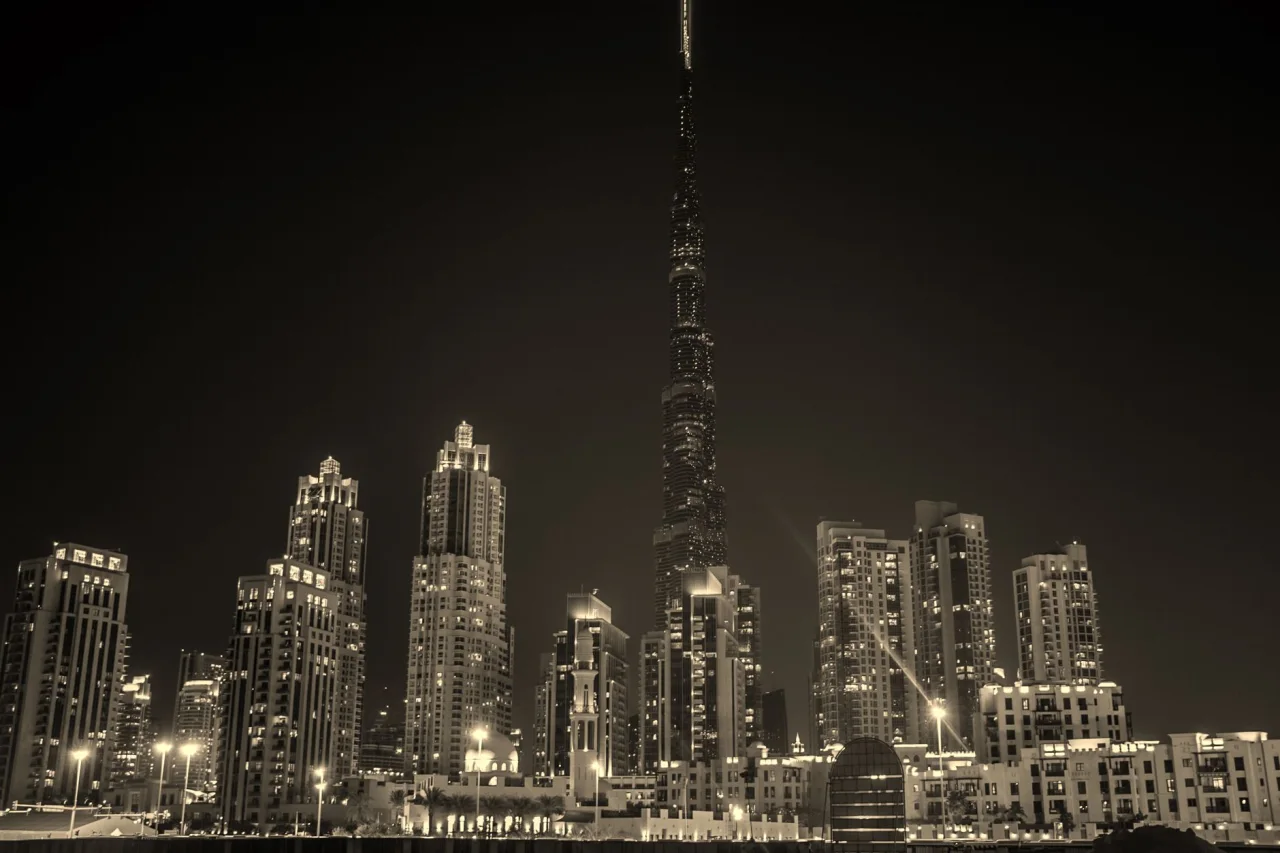
Public information describes Dubai Holding as operating across a range of segments, which include:
- Real estate development and community management.
- Hospitality, including well known hotel and resort brands.
- Business parks and specialised economic zones.
- Media, financial services and other sectors.
This breadth is why you can encounter the Dubai Holding name in very different contexts, from a beach resort to a business district to a residential community. For property specifically, the relevant part is its role in developing and managing master planned communities and mixed use districts. When a single group operates across hotels, business parks and homes, it can shape a whole neighbourhood rather than just a plot, which is why some of Dubai's best known destinations feel like coordinated environments rather than a collection of unrelated buildings.
Communities and assets linked to Dubai Holding
Over the years, a number of well known Dubai destinations and subsidiaries have been associated with the group, including hospitality assets such as Madinat Jumeirah and the Jumeirah hotel brand, business and media zones, and residential and mixed use developments. The exact structure of subsidiaries has evolved over time, so if a specific brand or community matters to your decision, confirm its current ownership and management directly rather than relying on older summaries.
One example of a residential district within this wider ecosystem is covered in our guide to the Dubai Land Residence Complex, which shows how a master planned area translates into actual homes for buyers and tenants.
Tip: verify who manages your community today
Corporate portfolios change through mergers, restructures and brand changes. Before you rely on any "developed by" claim, confirm which entity currently owns the master community and which company handles service charges and maintenance for your specific building. This is the information that affects your day to day living costs.
Why a developer's identity matters to buyers
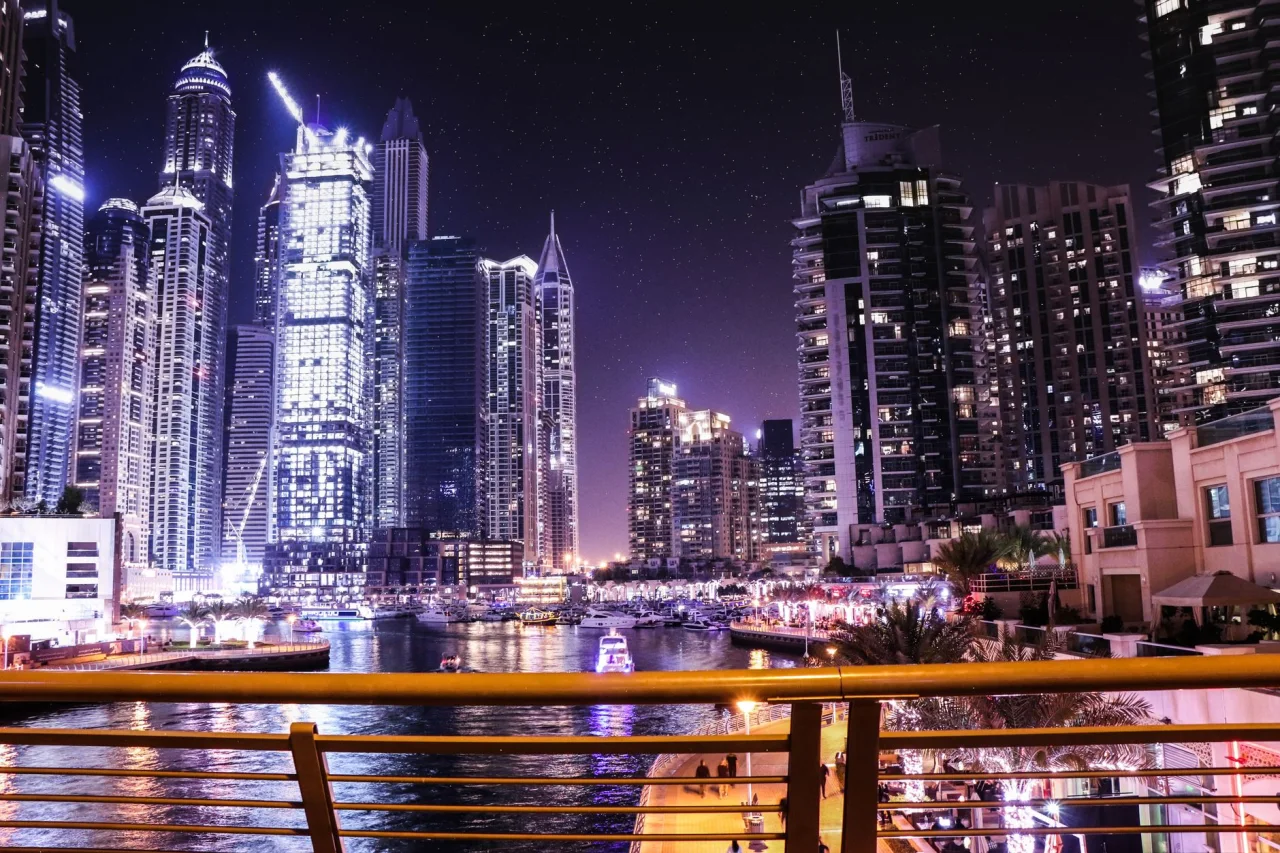
The developer behind a community is not just branding. In practice it influences several things you will care about:
- Delivery track record, which matters most for off plan purchases where you are trusting a future handover.
- Master community management, which shapes how well shared spaces, security and landscaping are maintained.
- Long term investment, since a well capitalised developer is more likely to keep improving a district over time.
That said, a strong parent company is a positive signal, not a guarantee. Individual projects vary, and service charges, build quality and resale performance still differ from one building to the next. Use the developer's reputation as one input, then verify the specifics. A helpful habit is to look at how the developer's older, completed communities have aged: well maintained landscaping, stable service charges and steady resale demand years after handover tell you more about future performance than any brochure for a new launch.
Buying in a Dubai Holding linked community
If you are buying in a community connected to a major developer, the transaction itself follows the standard Dubai process: agree terms, sign the paperwork, obtain the developer No Objection Certificate where relevant, and register at the Dubai Land Department. For off plan purchases, confirm that payments go into the project's official escrow arrangement and check the registered handover expectations rather than marketing dates. Verify everything on the Dubai Land Department portal or through a RERA registered agent.
For the wider decision of where to place capital across the emirate, our guide to investing in Dubai property covers returns and risks, and the complete UAE real estate guide sets out how the whole market fits together.
What Dubai Holding tells you about the wider market
The presence of large, state linked developers like Dubai Holding is one of the defining features of the emirate's property market, and it explains some of its characteristics. Master planning at scale is why Dubai communities tend to arrive with roads, retail, schools and landscaping designed in from the start, rather than growing piecemeal. It is also why off plan sales, backed by escrow rules, are such a large part of the market: buyers are being asked to trust a developer to deliver a future community, and the strength of that developer is central to whether that trust is well placed.
For a buyer, the practical lesson is to separate two questions. The first is whether the developer behind a project is credible and well capitalised, which a group of this scale generally is. The second, and more important for your own outcome, is whether the specific unit at the specific price makes sense once you account for service charges, likely rent, and the risk that a brochure timeline slips. A strong developer improves the odds on the first question but does not answer the second for you.
Doing your own due diligence
Whatever the developer, the same due diligence protects you. Check that an off plan project is registered and that your payments follow the official escrow route. For a ready home, confirm the title, the service charge history and the condition of the building. Compare the asking price against recent verified transactions rather than marketing figures, and if you are borrowing, get a mortgage pre approval so you know your real budget including fees. A reputable developer is a good starting point, not a substitute for these checks.
Dubai Holding versus Dubai Holding Company: clearing up the names
Buyers often search variations of the same name and end up confused. To keep things clear, this guide focuses on Dubai Holding as an entity and what it means for property. Our related pieces on the Dubai Holding company profile and Dubai Holding in Dubai approach the same topic from adjacent angles, so read them together if you are researching the group in depth.
Before you buy on the strength of a brand
- Confirm the current developer and manager of the specific community.
- For off plan, check escrow arrangements and registered handover terms.
- Ask for the service charge rate and history of the exact building.
- Verify prices, title and project status on the official DLD portal.
Frequently asked questions
What is Dubai Holding?
Dubai Holding is the state linked global investment holding company and personal investment portfolio of Dubai's ruler, established in 2004. It has interests across real estate, hospitality, business parks, media and other sectors.
Does Dubai Holding build residential communities?
Yes, real estate development and community management are among its activities, alongside hospitality and business districts. If a specific community matters to you, confirm its current ownership and management directly, as corporate structures change over time.
Is a home from a large developer a safer buy?
A well capitalised, established developer is a positive signal for delivery and long term community upkeep, especially for off plan. However, it is not a guarantee: build quality, service charges and resale value still vary by project, so verify the specific unit.
How do I check a project's status before buying?
Use the Dubai Land Department and Dubai REST portal to confirm registration, escrow and title details, and work with a RERA registered agent. Rely on official records rather than marketing brochures for handover dates and pricing.
Is Dubai Holding the same as other government developers?
It is one of several major government linked entities in Dubai, each with its own communities and brands. They are distinct companies, so always confirm which specific developer is behind the project you are considering.
More guides on UAE Real Estate (General)
Have a question or a topic to suggest?
We read every message. Tell us what you would like to see next on the blog.
Get in touchYou may also like
Dubai Holding Company Guide
What Dubai Holding is, the developers and communities it owns, the 2024 Nakheel and Meydan consolidation, and what it all means for buyers and investors in 2026.

Dubai Holding: Complete UAE Guide
A plain guide to Dubai Holding: the state linked group, its real estate arm and communities, and what buying or renting in a Dubai Holding development involves.
Dubai Land Residence Complex
A guide to DLRC, the Dubai Land Residence Complex within Dubailand: its mix of apartments and townhouses, quieter suburban feel, prices and investment case.