Rental Market
Dubai Rental Properties (2026)
Property types, best areas by budget, the step-by-step process and your protections across the Dubai rental market.
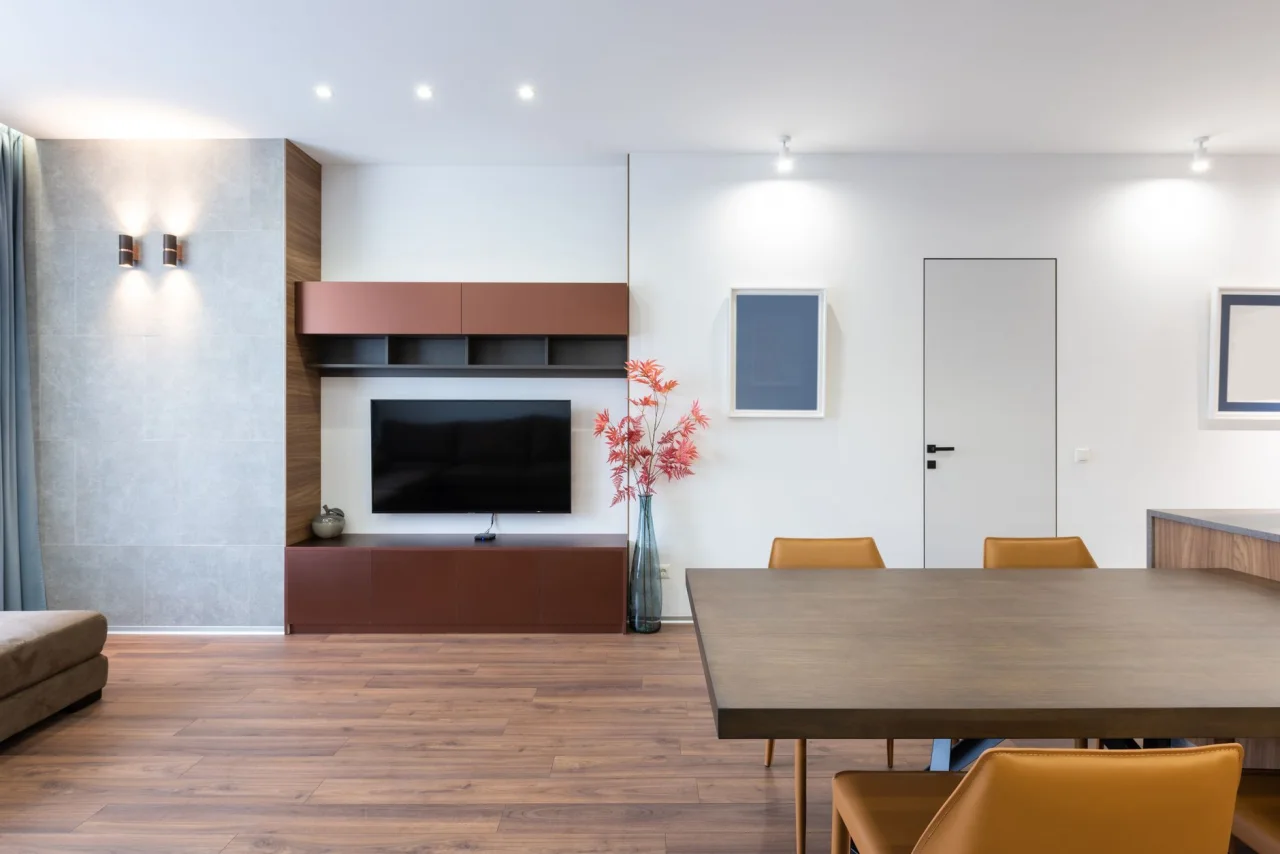
Dubai rental properties span everything from a compact studio in International City to a beachfront villa on Palm Jumeirah, and the process of securing one is more structured than many newcomers expect. This guide is a practical map of the whole market: the property types, the best areas by budget, how to search and secure a home step by step, and the rules that protect you once you have moved in.
The short version
- Rental stock covers studios, apartments, townhouses, and villas across dozens of communities at very different price points.
- Most homes are let on annual contracts paid in one to four cheques, with fewer cheques often meaning a lower price.
- Search through licensed portals and RERA registered agents, then register every contract on Ejari.
- Rent increases are capped by a published RERA formula, and disputes go to the official Rental Dispute Settlement Centre.
The types of rental property in Dubai
Understanding the categories helps you filter quickly:
- Studios are the cheapest entry point, ideal for singles and value seekers.
- Apartments from one to four bedrooms make up the bulk of the market, in towers and low rise buildings alike.
- Townhouses offer a middle ground with some outdoor space at a lower cost than standalone villas.
- Villas deliver the most space, gardens, and privacy, at the highest running cost.
Each type has its own dedicated guide. For the two most common, see apartments for rent in Dubai and villa for rent in Dubai.
Best areas by budget
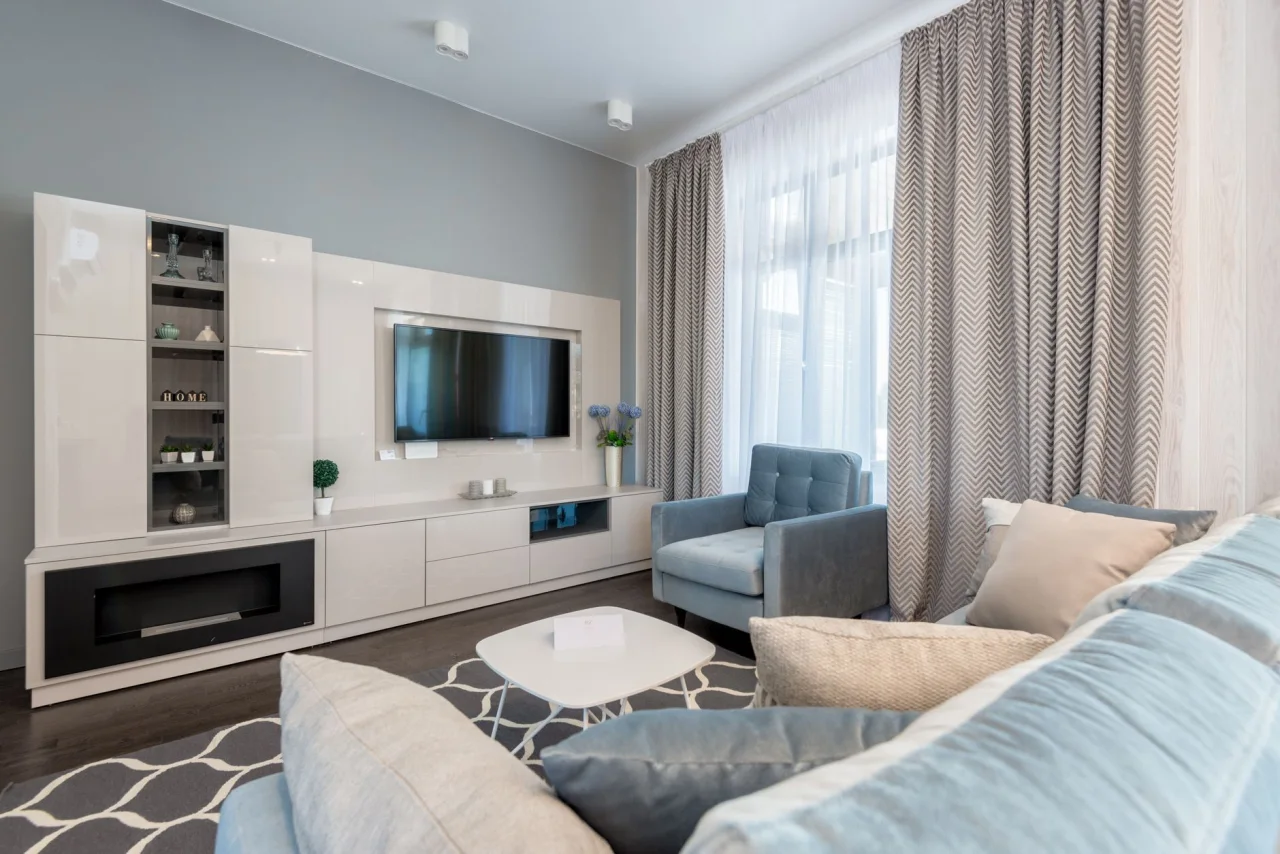
Dubai rewards research because rents differ sharply between neighbouring districts. As a broad orientation:
- Affordable: International City, Deira, Al Nahda, Discovery Gardens, Dubai Investment Park, and parts of Dubai Sports City.
- Mid market: Jumeirah Village Circle, Al Furjan, Business Bay, Dubai Silicon Oasis, and Town Square.
- Premium: Downtown Dubai, Dubai Marina, Jumeirah Beach Residence, Dubai Hills Estate, and Palm Jumeirah.
Rents shift with new handovers and seasonal demand, so treat these as tiers rather than fixed prices. Confirm live numbers with a RERA registered agent or on the DLD and Dubai REST portal. For the wider market context, our overview of Dubai real estate connects renting to buying and investment.
How to search and secure a home
A clear process saves time and money:
- Set a total budget. Include rent, the 5% housing fee, DEWA, cooling, agency fee, and deposit, not just the headline rent.
- Search licensed sources. Use established portals and RERA registered agents. Our guide to Property Finder in Dubai explains how to use listing platforms effectively.
- Shortlist and view. Compare like for like, and check cooling type, parking, and building facilities.
- Verify the agent and landlord. A legitimate broker holds a RERA licence; ask for the title deed reference and confirm the landlord's ownership.
- Agree terms and cheques. Negotiate the annual rent and number of cheques, then sign the Unified Tenancy Contract.
- Register Ejari. Complete Ejari registration and set up DEWA before you move in.
Tip: verify before you pay a deposit
Only transfer a deposit once you have seen a valid Emirates ID and title deed reference, and never pay cash without a receipt. Genuine agents work through registered channels and provide documentation at every step.
The costs that shape your budget

Renting in Dubai carries predictable extras on top of rent:
- Dubai housing fee: 5% of annual rent, collected in twelve installments on your DEWA bill. Expats pay it, nationals are exempt.
- Agency commission: typically a percentage of annual rent plus VAT, paid once.
- Security deposit: a refundable percentage of annual rent, returned subject to condition.
- DEWA and cooling: a refundable utility deposit plus ongoing electricity, water, and, in some communities, district cooling.
- Ejari fee: a small official registration charge.
These are general figures that vary by property and market conditions; confirm current costs before you commit. This is information, not financial advice.
Ejari, contracts, and rent caps
Every rental in Dubai should be registered on Ejari, the Dubai Land Department system that gives your contract legal standing and unlocks DEWA, visas, and school registration. You can review how the official system works through the Dubai Land Department rental index service.
At renewal, landlords cannot raise rent freely. Under Decree No. 43 of 2013, the permitted increase depends on how far your current rent is below the RERA market average for your area and property type: no increase up to 10% below, then rising in bands to a maximum of 20% when rent is more than 40% below the average. Any change of terms at renewal requires at least 90 days written notice. These rules are current as of 2026 and can change, so verify on the official portal.
If something goes wrong
Disputes between landlords and tenants in Dubai are handled by the Rental Dispute Settlement Centre at the Dubai Land Department, not the ordinary courts. Keep your signed contract, Ejari certificate, payment receipts, and written correspondence, because clear documentation is your best protection. For eviction, a landlord seeking possession for sale, personal use, demolition, or major works generally must serve 12 months notice through a notary or registered post. This is general information; for a specific situation, consult a licensed legal advisor.
Tenant tips for the Dubai market
- Time your search. Availability and pricing shift through the year, and a patient search across a few weeks often beats a rushed decision.
- Negotiate cheques and rent together. Fewer cheques can offset a firmer landlord on price.
- Read the maintenance clause. Know who fixes what, and what the minor maintenance threshold is.
- Check the RERA index at renewal. Do not accept an increase without confirming it is permitted.
- Keep everything in writing. Verbal promises are hard to enforce; documented ones are not.
If you want the shorter commitment route, our renting in Dubai overview compares options across budgets.
Frequently asked questions
How do I find genuine Dubai rental properties?
Use established, licensed listing portals and RERA registered agents, and verify the landlord's ownership through the title deed before paying anything. Avoid cash payments without receipts and any deal that skips a written contract and Ejari registration.
How are rents usually paid?
Most Dubai homes are let annually with payment split across one to four post-dated cheques. Offering fewer cheques often reduces the annual rent because the landlord receives the money sooner.
What is Ejari and do I need it?
Ejari is the Dubai Land Department system that registers tenancy contracts and gives them legal standing. You need it to open DEWA in your name, sponsor family, and enrol children in some schools, so every rental should be registered.
Can my landlord raise the rent by any amount?
No. Increases are governed by Decree No. 43 of 2013 and depend on how far your rent is below the RERA market average, from no increase up to a maximum of 20%. Use the RERA calculator on the DLD website or Dubai REST app to check.
Where do I go if I have a dispute with my landlord?
The Rental Dispute Settlement Centre at the Dubai Land Department is the official venue for landlord and tenant disputes. Keep your contract, Ejari certificate, receipts, and correspondence to support your case, and seek licensed legal advice for complex matters.
More guides on Renting in UAE
Have a question or a topic to suggest?
We read every message. Tell us what you would like to see next on the blog.
Get in touchYou may also like
Rent in Dubai: 2026 Cost Guide
What it really costs to rent in Dubai in 2026: budgeting, the full cost stack beyond rent, prices by area, cheque plans and your tenant protections.
Apartments for Rent in Dubai
A tenant's guide to renting an apartment in Dubai: realistic price bands by area, how cheques and Ejari work, the full cost beyond rent, and negotiation moves that actually work.

Villa for Rent in Dubai (2026)
Best communities, honest price bands and the extra costs of renting a villa in Dubai in 2026, plus Ejari, RERA rent caps and practical tenant tips.