Investment Analysis
Where to Put Your Money in Dubai
How rental yield and capital growth work, indicative yields by property type, and the risks to price in.
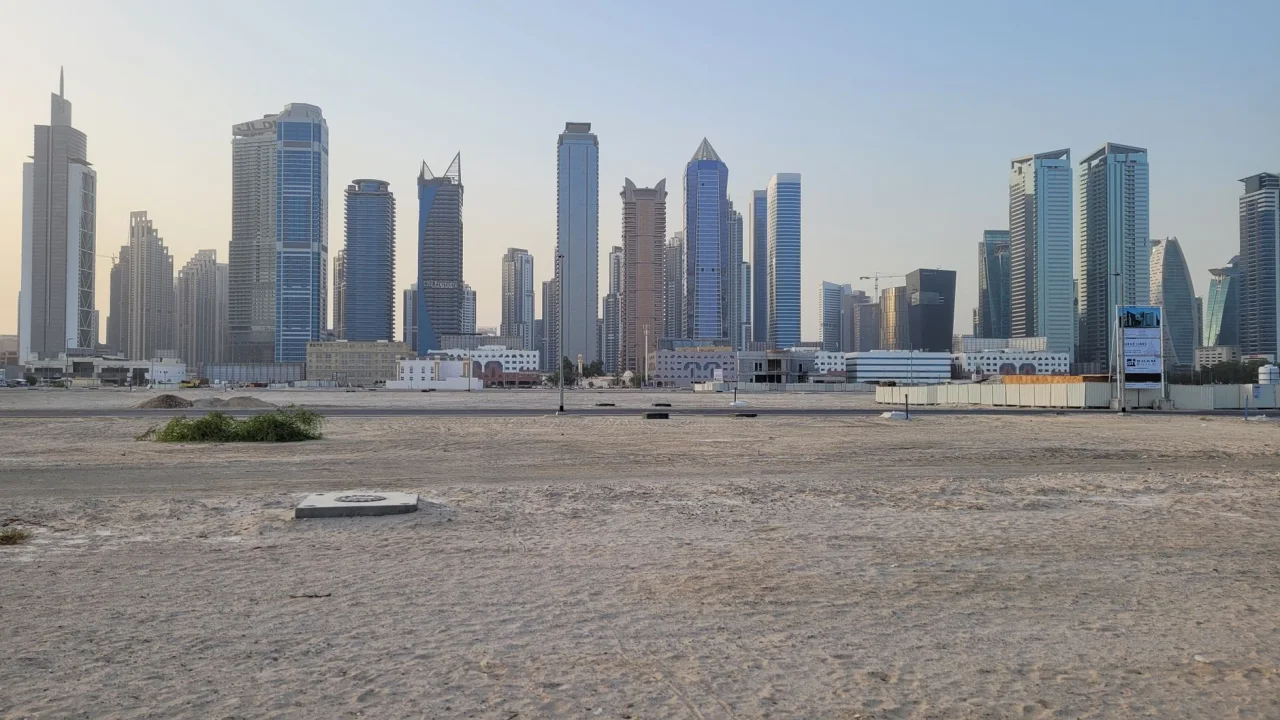
People who search for Emirates Investment Bank in Dubai are usually asking a bigger question: where should I put my money in this market, and what returns are realistic? As a UAE property publication, our lane is real estate, so this guide focuses on how property investment returns work in Dubai, the risks involved, and how a bank or licensed advisor fits into the picture. It is general information, not financial advice or a recommendation of any specific institution, and all figures are caveated ranges to verify, not promises.
The short version
- Emirates Investment Bank is a licensed private bank in the UAE; we are not affiliated with it and this article is not an endorsement or advice about any specific bank.
- Dubai property returns come from two sources: rental yield (annual rent versus price) and capital growth (change in value over time).
- Yields and growth vary widely by area, property type and cycle, so treat any percentage as an indicative range, not a guarantee.
- For money decisions, use official data on DLD and Dubai REST and consult a licensed financial advisor or a RERA registered agent.
First, a clear and honest note
Emirates Investment Bank is a licensed private bank based in the UAE. We are an independent property publication, we are not connected to that bank, and nothing here is a recommendation to use it or any other institution. Banks and wealth managers can hold deposits, provide mortgages and offer investment products, all of which are regulated by bodies such as the Central Bank of the UAE and, in financial free zones, the relevant financial services authority. If you want details on a specific bank's products, contact the bank directly and read its regulated disclosures.
What we can help with is the property side of the where do I put my money question, because that is our expertise. Read this alongside our broader analyses on investing in Dubai and Dubai property investment.
The two ways property makes money

Property returns in Dubai come from two distinct sources, and confusing them is a common beginner mistake:
- Rental yield. The annual rent a property earns expressed as a percentage of its price. Gross yield ignores costs; net yield subtracts service charges, management fees, maintenance and vacancy.
- Capital growth. The change in the property's value over time. This is cyclical, can be negative in a downturn, and is never guaranteed.
A sensible investor looks at both together with a realistic holding period, rather than chasing a single headline yield. Always work in net terms, because gross yield flatters returns by ignoring the real costs of ownership.
Indicative yields by property type
The table below gives broad, indicative gross yield ranges by property type to illustrate how they differ. These are not current quotes or promises. Actual figures vary by area, tower, view, service charges and market conditions, so confirm live numbers with a RERA registered agent or on the DLD and Dubai REST portals before you rely on them.
- Studios and one bedroom apartments: often the highest gross yields, because rent is high relative to a lower purchase price, but they can see more tenant turnover.
- Larger apartments (two and three bedroom): typically moderate yields with steadier family tenants.
- Townhouses and villas: usually lower gross yields than apartments, with returns weighted more toward capital growth and lifestyle demand.
- Prime and ultra prime homes: lowest yields, bought largely for capital preservation and long term appreciation rather than income.
Because smaller units tend to show higher gross yields, many first time investors start there. Our tenant demand context in the Dubai apartment rental guide helps you gauge how easily a unit will let.
Tip: always calculate net, not gross
Subtract annual service charges, any management fee, maintenance, insurance and an allowance for vacancy from your rent before you judge a deal. A headline gross yield can shrink meaningfully once these real costs are included, and service charges vary a lot between buildings.
The risks you should price in

Every return has a matching risk, and honest investing means naming them:
- Market cycles. Prices and rents rise and fall. Capital growth is not guaranteed and values can drop.
- Vacancy and tenant risk. Empty months and late payers cut real returns; budget for both.
- Service charge inflation. Rising annual charges erode net yield over time.
- Liquidity. Property cannot be sold instantly; exiting can take months and costs fees.
- Financing risk. If you borrow, rate changes affect your cash flow; loan to value caps apply under the Central Bank framework.
- Developer and delivery risk. Off plan purchases depend on completion, so buy from developers with a strong track record.
If you plan to finance, the numbers change materially, so read our UAE mortgage guide before you model returns.
Where to put your money: a framework, not a tip
Rather than a hot list, use a simple framework. Decide whether your priority is income (favouring higher yield apartments in strong rental areas) or growth (favouring quality communities with long term demand). Match the holding period to that goal, because growth strategies need time to ride out cycles. Diversify if your budget allows, and never over leverage. Finally, buy the fundamentals: location, tenant demand, build quality and realistic net yield, not marketing.
For the broader case for the market and how to think about entry points, our guide to investing in Dubai real estate expands on this framework.
How banks and advisors fit in
A bank can provide the mortgage that finances a purchase, hold your rental income, and, through a wealth arm, offer regulated investment products beyond property. Those products carry their own risks and are outside our scope. What matters is that any institution you deal with is properly licensed and that you read the regulated disclosures. For property specific guidance, a RERA registered agent and, for structuring, a licensed financial advisor are the right people to consult. Do not treat a general article, including this one, as personalised advice.
Note: this is general information, not financial advice
Yields, growth and rates change with the market and regulation. Everything here is general information as of 2026. Verify current figures on the DLD and Dubai REST portals, and consult a licensed financial advisor or RERA registered agent before investing.
Frequently asked questions
Is this article about Emirates Investment Bank's products?
No. Emirates Investment Bank is a licensed UAE private bank, but we are an independent property publication and are not affiliated with it. This guide covers how property investment returns work in Dubai. For details on any bank's specific products, contact the bank directly and read its regulated disclosures.
What rental yield can I expect from Dubai property?
Yields vary widely by property type, area, service charges and market conditions, so no single figure applies. Smaller units such as studios often show higher gross yields, while villas and prime homes yield less but may offer more capital growth. Always calculate net yield and confirm live figures with a RERA registered agent or on official portals.
What is the difference between rental yield and capital growth?
Rental yield is the annual rent as a percentage of the property price and provides income. Capital growth is the change in the property's value over time and provides gains only when you sell. Yield is relatively steady, while capital growth is cyclical and can be negative, so consider both together over a realistic holding period.
Is Dubai property a safe investment?
No investment is risk free. Dubai property can offer attractive income and growth, but it carries market cycle, vacancy, liquidity, service charge and financing risks. Prices can fall and returns are not guaranteed. Diversify where possible, avoid over leverage, and treat any projected return as an estimate rather than a promise.
Should I invest in apartments or villas for returns?
Apartments, especially smaller units, tend to offer higher gross rental yields, while villas usually yield less but can be weighted toward capital growth and lifestyle demand. The right choice depends on whether your priority is income or growth and your holding period. Compare net yields, not gross, in your target areas before deciding.
Where can I verify current returns and prices?
Use official sources such as the Dubai Land Department and the Dubai REST app, which provide transaction data and index information. For a decision that affects your money, consult a licensed financial advisor or a RERA registered agent rather than relying on general articles or marketing material.
Authoritative references: the Dubai Land Department for transaction and index data.
More guides on Investment & Market
Have a question or a topic to suggest?
We read every message. Tell us what you would like to see next on the blog.
Get in touchYou may also like

Investing in Dubai: Returns and Risks
How property returns really work in Dubai: rental yield versus capital growth, indicative yields by segment, the risks to price in, and how to verify figures before you invest in 2026.
Dubai Property Investment 2026
How Dubai property makes money, the yields and risks by segment, and a sober framework for deciding where to invest, without hype or invented numbers.

Invest in Dubai Real Estate 2026
Rental yield, capital growth, fees and risks explained honestly, with yield ranges by segment and how to match a property to your investment goal.