UAE Buyer Guide · UAE Real Estate (General)
Homes: The Complete UAE Guide (2026)
Types, prices, process, ownership rules and the Golden Visa link: the hub guide to homes in the UAE.
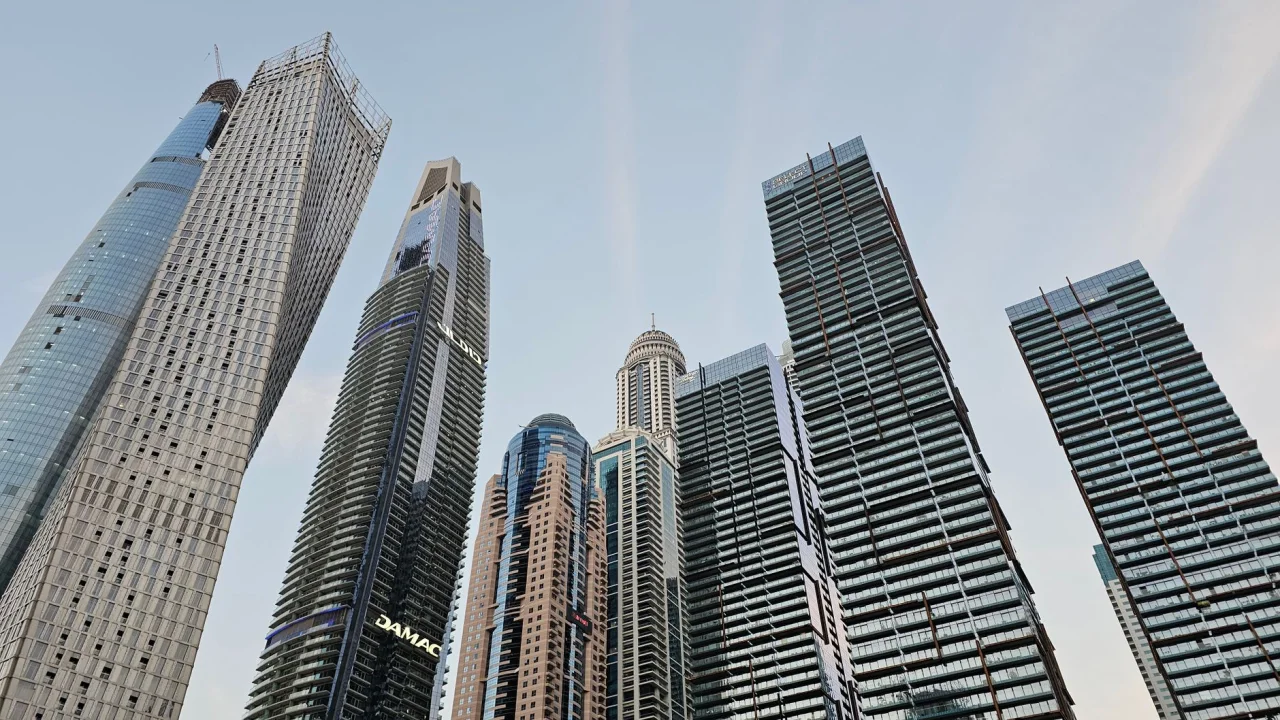
Buying or renting a home in the UAE can feel daunting from the outside: different emirates, freehold and leasehold zones, off-plan and ready stock, and a vocabulary of RERA, Ejari, DLD and service charges. This complete guide is the hub for understanding homes in the UAE in 2026, from the types on offer and how the process works to the rules that govern ownership, with clear pointers to deeper guides for each step.
The short version
- UAE homes come in three main forms: apartments, townhouses and villas, across ready and off-plan markets in Dubai, Abu Dhabi and the other emirates.
- Foreign buyers can own freehold homes in designated areas; elsewhere ownership may be leasehold or restricted, so always confirm the zone and title type.
- Key process facts as of 2026: Dubai charges a 4 percent DLD transfer fee, tenancy contracts are registered through Ejari, and property investment of at least AED 2 million can support a Golden Visa application, subject to current rules.
- Treat every price, rent, yield and fee figure as an indicative range: confirm current numbers with a RERA-registered agent or on the DLD and Dubai REST portal.
Types of homes in the UAE
Most UAE homes fall into three categories. Apartments range from compact studios to large multi-bedroom units and penthouses, and dominate dense districts and waterfront towers. Townhouses offer a middle path, giving a small garden and more space than an apartment inside a managed community. Villas are standalone family homes, often in gated communities with shared amenities, and sit at the higher end of both price and space.
Your choice usually comes down to lifestyle and budget. Singles and couples and many investors gravitate to apartments for their price points and rental demand, while families frequently prefer townhouses and villas for space and community facilities. Each type behaves differently as an investment too, so it pays to match the home to both how you want to live and what you want the asset to do.
Buying versus renting

Renting suits people who value flexibility, are new to the country, or are not ready to commit capital, and the UAE has a deep, well-regulated rental market. Buying suits those planning to stay longer, wanting to build equity, or seeking rental income and the residency benefits that can come with property ownership. There is no universally right answer; it depends on your time horizon, your finances and your certainty about staying.
A simple way to frame it is to compare the all-in annual cost of renting against the all-in annual cost of owning, including financing, fees and service charges, over the period you realistically expect to stay. If you are leaning towards renting first, our guide to apartments for rent in Dubai covers areas, budgets and tenant tips in detail.
Freehold, leasehold and who can own
Ownership rules are one of the most important things to understand before buying. In Dubai, foreign nationals can buy freehold homes, owning both the property and the land outright, in areas designated for it, while other zones may offer leasehold or be reserved for UAE and GCC nationals. Other emirates have their own designated investment areas and rules. The practical implication is simple: always confirm the exact title type and whether the specific community is open to your nationality before you fall for a home.
Because these rules and designated zones can change and vary by emirate, treat any general summary, including this one, as a starting point. Verify the current position for the specific property with a licensed agent and the relevant land department. Our companion pillar on UAE real estate goes deeper into how the market is structured across the emirates.
What homes cost

Prices and rents vary enormously by emirate, community, home type, size, view and finish, so any single number is misleading. As a broad orientation, Dubai and Abu Dhabi prime and waterfront communities sit at the top of the range, established mid-market communities cost less, and homes in the northern emirates are generally more affordable again. Within any one community, a high-floor unit with a landmark view can cost far more than a lower unit in the same building.
Rather than anchor to a figure, gather recent evidence for the exact type of home and location you want. The most reliable signals are recently transacted sale prices and actual signed rents for comparable units, which agents and official portals can provide, rather than asking prices or headline averages.
Tip: budget for the extra costs
The sticker price is not the whole cost. In Dubai, buyers should budget for the 4 percent DLD transfer fee, agency commission, and, if financing, mortgage registration and arrangement costs, plus ongoing annual service charges. Renters typically face a deposit, agency fee and Ejari registration. Build these into your numbers from the start.
The buying process, step by step
While details differ by emirate and by ready versus off-plan, the shape of a purchase is broadly consistent:
- Set your budget and financing. Decide whether you are buying in cash or with a mortgage, and get a pre-approval if financing, so you know your real ceiling including fees.
- Choose the home and verify it. Confirm the community, title type, service charges and, for off-plan, the developer's RERA registration and escrow arrangement.
- Agree terms and sign. For ready property this usually involves a memorandum of understanding and a deposit; for off-plan, a sales and purchase agreement with a payment plan.
- Complete and register. Pay the balance and applicable fees and register the transfer with the relevant land department, which issues the title deed.
For a fuller walkthrough with worked examples, see our dedicated guide to buying property in Dubai, and, if you are weighing returns rather than a home to live in, our Dubai investment overview.
Homes and residency: the Golden Visa link
One reason many buyers choose the UAE is the link between property and long-term residency. As of 2026, property investment of at least AED 2 million can support a Golden Visa application, a long-term renewable residence visa. The exact term, whether five or ten years, and the precise conditions depend on the category and current rules, and mortgaged and off-plan units may count towards the threshold subject to certified value and the latest regulations.
Because visa rules are updated over time and applications run through official bodies, treat property purchase as one route rather than a guaranteed outcome, and verify the current requirements before relying on them. Our step-by-step Golden Visa requirements guide covers the process, and the official portal is the definitive source for current thresholds and terms.
Regulation and protection for home buyers and renters
The UAE property market is comparatively well regulated, which protects both buyers and tenants when they use the system properly. In Dubai, the Dubai Land Department and its regulatory arm oversee registration and developer conduct, off-plan payments are held in supervised escrow accounts, and tenancy contracts are registered through Ejari, with the Dubai REST app providing digital access to many services. Abu Dhabi and the other emirates have their own equivalent authorities and systems.
The practical lesson is to stay inside the official framework: use RERA-registered agents, insist on escrow for off-plan, register your tenancy, and keep documentation. These steps are your main protection if something goes wrong, and they cost little to follow.
Figures and rules move, so verify
Prices, rents, fees, thresholds and ownership rules change and vary by emirate, community and unit. Everything here is general information for orientation, not personalised financial or legal advice. Confirm current figures and rules with a RERA-registered agent, the relevant land department, and the official portals, and consult a licensed advisor for your circumstances.
Frequently asked questions
Can foreigners buy a home in the UAE?
Yes, foreign nationals can own freehold homes in designated areas in Dubai and in investment zones in other emirates, while some areas are leasehold or reserved for UAE and GCC nationals. Always confirm the exact title type and whether the community is open to your nationality before buying.
What are the main costs of buying a home in Dubai?
Beyond the price, buyers in Dubai should budget for the 4 percent DLD transfer fee, agency commission, and, if financing, mortgage registration and arrangement costs, plus ongoing annual service charges. Treat all figures as indicative and confirm current amounts before you transact.
Does buying a home give me UAE residency?
Property investment of at least AED 2 million can support a Golden Visa application as of 2026, a long-term renewable residence visa. The term and conditions depend on the category and current rules, so verify the latest requirements on the official portal rather than assuming an automatic outcome.
Is it better to rent or buy in the UAE?
Renting offers flexibility and suits shorter stays, while buying builds equity and can bring rental income and residency benefits for longer stays. Compare the all-in annual cost of each over the period you expect to stay, and match the decision to your finances and time horizon.
What protections exist for home buyers and tenants?
The UAE market is comparatively well regulated: land departments oversee registration, off-plan payments are held in supervised escrow, and tenancy contracts are registered through systems such as Ejari. Using RERA-registered agents and staying inside the official framework is the main way to protect yourself.
External references: the Dubai Land Department portal and the UAE government's official Golden Visa page.
More guides on UAE Real Estate (General)
Have a question or a topic to suggest?
We read every message. Tell us what you would like to see next on the blog.
Get in touchYou may also like

Real Estate: Complete UAE Guide (2026)
How the UAE property market works in 2026: the emirates and their zones, freehold versus leasehold, real buying and renting costs, and the residency-by-investment route, framed as general guidance with official sources.

Buy Property in Dubai: 2026 Guide
A 2026 buyer's guide to purchasing property in Dubai: who can buy freehold, the fees beyond the price, financing, the step-by-step process and the pitfalls to avoid.

Investing in Dubai: Returns and Risks
How property returns really work in Dubai: rental yield versus capital growth, indicative yields by segment, the risks to price in, and how to verify figures before you invest in 2026.