Renting in Dubai
Rental Properties in Dubai UAE
Compare apartments and villas, inspect a unit properly, and understand the paperwork and rent rules.
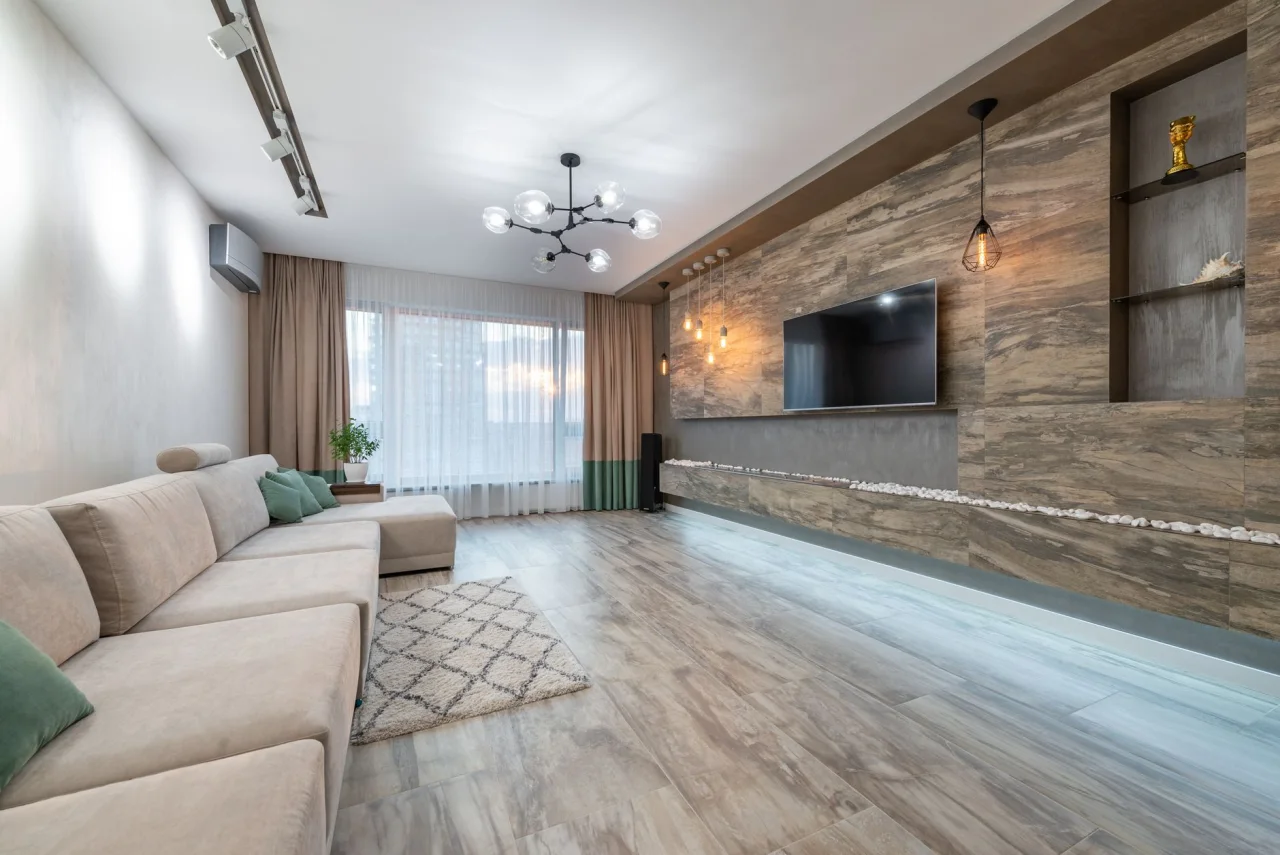
Rental properties in Dubai run the full range, from compact studios in value communities to family villas with private gardens, and choosing well is as much about matching the property to your life as it is about the rent. This guide helps you compare the options, inspect a unit properly before you commit, understand the paperwork, and see where Dubai fits within the wider UAE rental market in 2026.
The short version
- Rental properties in Dubai span studios, apartments, townhouses and villas, furnished or unfurnished, across dozens of communities.
- The right choice is the one that matches your household, commute and budget, not simply the cheapest or the newest.
- Inspect the unit and the building carefully, and confirm rent and inclusions in writing before you pay anything.
- Every tenancy must be registered with Ejari at the Dubai Land Department, and renewal increases are governed by the official rental index.
The range of rental properties in Dubai
Dubai's rental stock is unusually varied for a single city. You can rent a studio in an established outer community, a mid-market apartment in a master-planned neighbourhood, or a villa on a prime waterfront, and everything in between. New handovers keep adding modern towers and gated villa communities, which broadens choice and keeps the market competitive. For a tenant, that breadth is an advantage: there is almost always a comparable alternative nearby, which strengthens your hand when you negotiate.
Because supply and demand shift with the season, treat any price in a guide like this as a broad band and confirm live figures with a RERA-registered agent or on the DLD and Dubai REST portal. For the end-to-end process and every property type in one place, our complete guide to property for rent in Dubai is the companion to this comparison-focused piece.
How to choose the right rental property
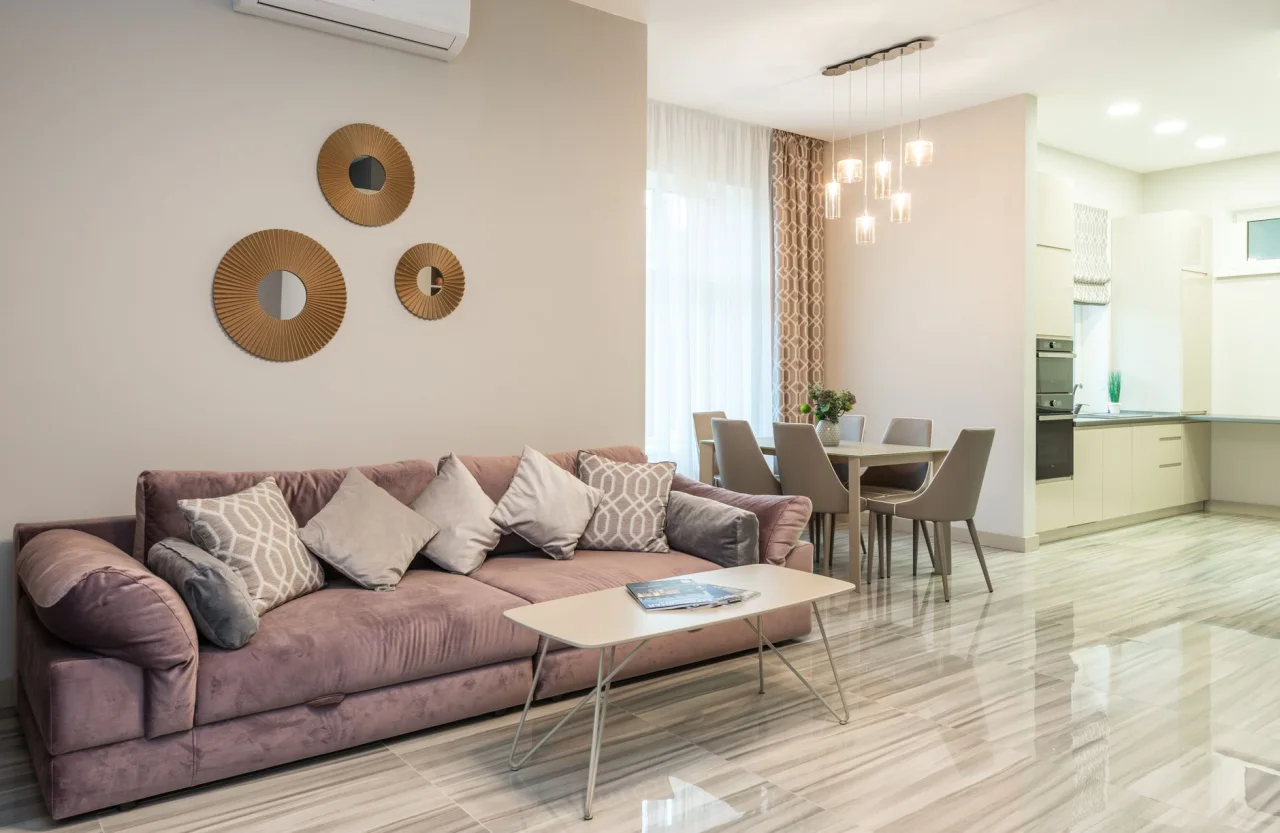
Start from your life, not the listing. A single professional or couple who value being central often prioritise a studio or one-bed near work and nightlife, while a family usually needs bedrooms, storage and outdoor space, which points toward a larger apartment, townhouse or villa. Remote workers weigh a spare room for an office, and sharers weigh separate bathrooms. Write down your non-negotiables before you browse, and let those filter the search rather than being swayed by a glossy photo.
- Solo or couple, central life: a studio or one-bedroom apartment near work.
- Small family or sharers: a two-bedroom apartment for the extra room.
- Larger family, space and garden: a villa or townhouse in a family community.
Comparing apartments and villas
The biggest fork is apartment versus villa, and each has honest trade-offs:
- Apartments: generally lower rent, less maintenance, and shared amenities such as pool, gym and security. You trade private outdoor space and can face district cooling charges and building rules.
- Villas and townhouses: more space, gardens and privacy, often in family-oriented communities. You usually pay more rent, take on garden and pool upkeep, and may be further from the Metro.
Furnishing is the other axis. Furnished suits shorter stays and saves setup costs, while unfurnished is usually cheaper over a full year and lets you make the home your own. Neither is automatically better; it depends on how long you plan to stay and how much you value convenience over cost.
Rent by area
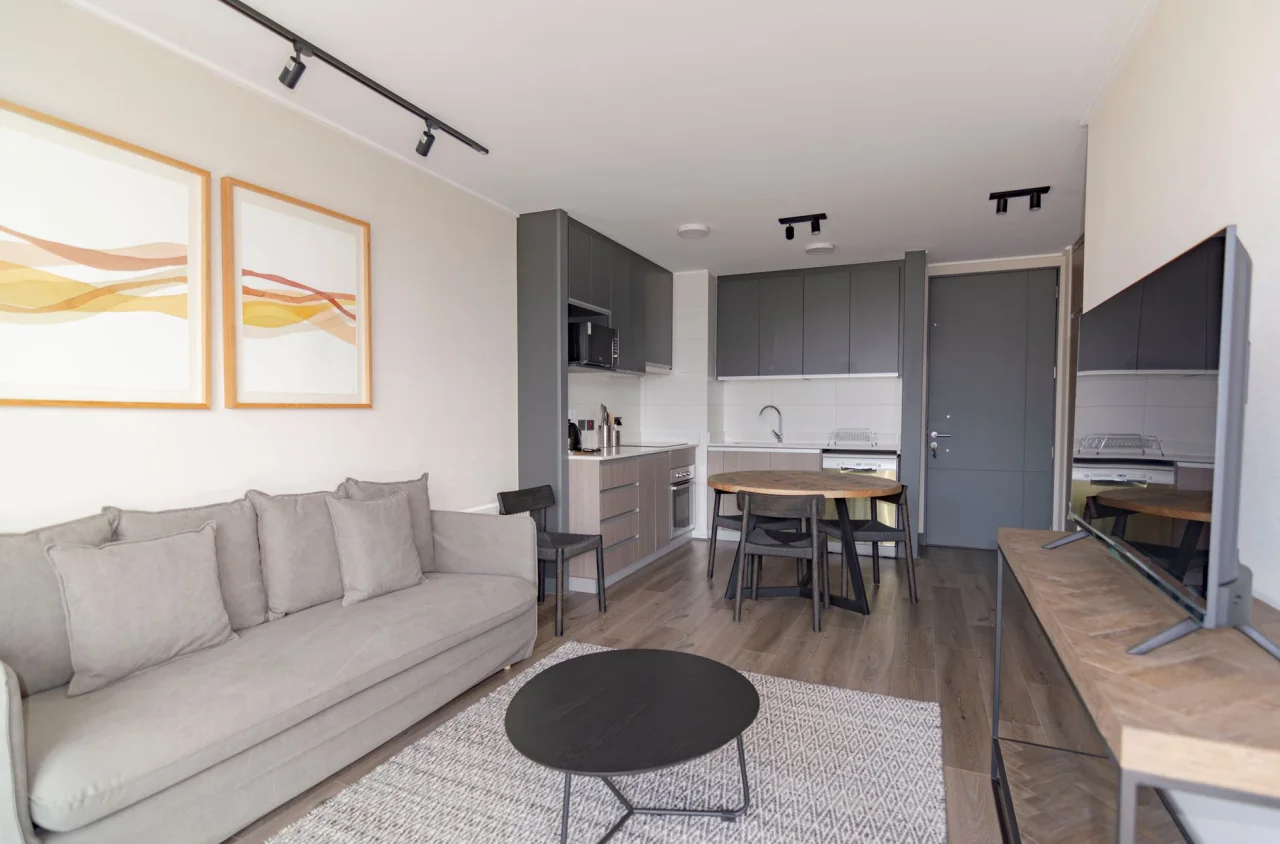
Rents depend on property type, area, building age, floor, view and payment plan. As a broad map of the market:
- Prime, highest demand: Downtown Dubai, Dubai Marina, Business Bay, Palm Jumeirah and Jumeirah Beach Residence.
- Mid-market master communities: Jumeirah Village Circle, Dubai Hills Estate, Arabian Ranches, Town Square and Dubai Sports City.
- Most affordable: Dubai Silicon Oasis, International City, Discovery Gardens, Deira and other established outer areas.
Reading a community's area guide before you tour saves wasted viewings. Two of the busiest rental communities are covered in our guides to living in Jumeirah Village Circle and living in Dubai Hills Estate.
Tip: inspect the building, not just the unit
A beautiful apartment in a poorly run building is a year of headaches. Check the lifts, corridors, parking, security and the state of shared amenities, and if you can, ask a current resident about maintenance response times before you sign.
How to inspect and evaluate a rental property
- Test everything. Run taps, flush toilets, switch on the air conditioning, and check water pressure and hot water.
- Look for damp and damage. Inspect ceilings, under sinks and around windows for leaks, mould or stains, and photograph any existing damage.
- Check appliances and fittings. Confirm what stays with the unit, and that white goods and built-in wardrobes work.
- Assess natural light and noise. Visit at different times if you can, and note road, mosque or construction noise.
- Confirm parking and storage. Verify the number of allocated bays and any storage, and how visitor parking works.
- Ask about bills. Establish whether cooling is district-billed and roughly what utilities run for the unit.
The cheque system and your paperwork
Dubai rents are usually paid with post-dated cheques, and the number is negotiable. One cheque is the full year up front at the lowest rent, while a twelve-cheque plan spreads the cost at a higher total. Beyond the payment plan, insist on a clear written tenancy contract that states the rent, the notice period, maintenance responsibilities and any early-exit penalty. Get every agreed inclusion, from a maintenance contract to included parking, written into the document rather than promised verbally.
Understanding how agents and brokers work protects you here. Our guide to the real estate agent's role in the UAE explains what a licensed agent should do and how commission is charged.
Ejari, the rent index and your protections
Every residential tenancy in Dubai must be registered through Ejari, the system operated under the Dubai Land Department. Registration makes your contract officially recognised, and the certificate is needed for DEWA connection, visa processes and school registration. You can register and download it through the Dubai REST app. Never treat a verbal agreement or an unregistered document as a valid lease.
At renewal, a landlord cannot raise the rent by any amount. Increases are governed by the official rental index: no increase is permitted while your current rent sits within roughly ten percent of the index for a comparable property, and the permitted rise steps up only as your rent falls further below the index, capped at twenty percent in the largest gap. Dubai uses a Smart Rental Index to help set these bands, so check the official calculator for your unit before agreeing anything.
Note: this is general information, not legal advice
Tenancy rules and permitted rent increases change and depend on your exact contract and building. Verify current requirements on the Dubai Land Department portal, use the official rental index calculator, and for a dispute seek help through the official rental dispute channels or a licensed advisor.
Dubai within the wider UAE, and next steps
Dubai is the largest and most liquid rental market in the UAE, but it is not the only one. Abu Dhabi, Sharjah, Ajman and Ras Al Khaimah each have their own communities, price levels and registration systems: Abu Dhabi tenancies, for example, are registered through the Tawtheeq system rather than Ejari. If you are open to commuting or working elsewhere in the country, comparing across emirates can widen your options. If you expect to stay several years in Dubai, it may be worth weighing renting against ownership using our Dubai property buyer's guide, and ownership at the right value can feed into Golden Visa eligibility. Whatever you choose, verify current pricing with a RERA-registered agent and on the DLD and Dubai REST portal.
Frequently asked questions
What types of rental property are available in Dubai?
Rental properties in Dubai include studios, one and two-bedroom apartments, townhouses and villas, both furnished and unfurnished, across dozens of communities. Apartments generally cost less and need little maintenance, while villas offer more space and gardens at a higher rent. The right type depends on your household, commute and budget.
How do I choose the right rental property in Dubai?
Start from your needs: household size, commute, budget and must-have features such as a spare room or garden. Shortlist a few communities that fit your commute, inspect both the unit and the building, and confirm rent and inclusions in writing. Let your non-negotiables filter the search rather than being swayed by photos.
Which areas are cheapest for rental properties in Dubai?
Established outer communities such as Dubai Silicon Oasis, International City, Discovery Gardens and parts of Deira are typically among the most affordable, while prime areas like Downtown, Dubai Marina, Palm Jumeirah and Business Bay are the most expensive. Exact rents vary by property type, building and season, so confirm live figures with a RERA-registered agent or on the DLD portal.
Do rental properties in Dubai have to be registered with Ejari?
Yes. Every residential tenancy in Dubai must be registered through Ejari under the Dubai Land Department. The certificate is needed for utility connection, visa steps and school registration, and it makes your contract officially recognised. You can register and download it through the Dubai REST app. Abu Dhabi uses a separate system called Tawtheeq.
Can my landlord raise the rent by any amount at renewal?
No. Rent increases in Dubai are governed by the official rental index, not the landlord's choice. No increase is permitted while your rent sits close to the index for a comparable property, and larger rises are allowed only as your rent falls further below the index, up to a capped maximum. Check the official rental index calculator before agreeing to any increase.
More guides on Renting in UAE
Have a question or a topic to suggest?
We read every message. Tell us what you would like to see next on the blog.
Get in touchYou may also like

Property for Rent in Dubai (2026)
A complete 2026 guide to renting in Dubai: property types, prices by area, the step-by-step process, cheque plans, upfront costs and your tenant rights.

Villa for Rent in Dubai (2026)
Best communities, honest price bands and the extra costs of renting a villa in Dubai in 2026, plus Ejari, RERA rent caps and practical tenant tips.
Studio for Rent in Dubai (2026)
Realistic studio rent ranges by area, how the cheque system works, Ejari registration, move-in costs and negotiation tactics that actually move a Dubai landlord in 2026.