Renting in UAE
Rent in Abu Dhabi: 2026 Tenant Guide
How renting works in the capital: Tawtheeq registration, cheques, the housing fee and the areas worth shortlisting.

Renting in Abu Dhabi means learning a slightly different rulebook to Dubai: leases register through Tawtheeq rather than Ejari, and a municipality housing fee lands on your utility bill. Get those details right and the capital rewards you with waterfront districts, family suburbs and generally more space per dirham than its neighbour. This guide walks through realistic rent ranges, the areas worth shortlisting and the tenant tips that protect your budget and your deposit. Every figure here is a general range, not a quote, and moves with location and market conditions.
The short version
- Abu Dhabi registers tenancy contracts through Tawtheeq on the TAMM platform, not Dubai's Ejari system.
- Rent is usually paid by cheque, and offering fewer cheques often earns a lower headline rent.
- Budget beyond the rent: a security deposit, roughly 5 percent agency commission and a 5 percent municipality housing fee on your utility account.
- Area choice drives both price and commute, so compare several current listings before committing.
How renting works in Abu Dhabi
An Abu Dhabi tenancy is a fixed term contract, almost always for one year, between you and the landlord or their managing agent. Once you agree terms you sign the contract, hand over post dated cheques for the year and a refundable security deposit, and the landlord registers the lease through Tawtheeq. That registration is the capital's equivalent of Dubai's Ejari and is generally needed to connect utilities and to rely on formal tenant protections under the emirate's tenancy rules.
Because the process is landlord led, your job as a tenant is mostly diligence: read the contract, confirm who pays which fee, and inspect the unit before you sign. If you are weighing the capital against Dubai, our broader guide to renting a home in Abu Dhabi and the complete UAE real estate overview put the two markets side by side. This article is general information, not legal advice, so confirm current rules on the official channels below.
Rent ranges and the price caveat

Rent in Abu Dhabi tracks unit size, district, building age and whether the home is furnished. Studios sit at the affordable end, one and two bedroom apartments occupy the broad middle, and villas and premium island towers command the most. Older buildings in the central grid tend to undercut newer towers on Reem Island or the Corniche, while mainland districts such as Mussafah and Mohammed Bin Zayed City generally cost less than the island core.
Note on figures: Abu Dhabi rents vary by district, tower, floor, view and furnishing, and they shift through the year. Do not anchor on a single number. Check current asking rents on the major UAE portals, confirm with a licensed agent, and use the UAE government's official housing services pages for background on the rental process.
Best areas to rent in Abu Dhabi
Where you rent shapes your commute, your rent and your daily life. A few districts consistently suit different renter types.
- Reem Island: a modern high rise island a short causeway from the city, popular for newer apartments with facilities. See our guide to living on Reem Island for the full picture.
- The central grid (Electra, Hamdan, Khalidiya): older but very central buildings, often the most affordable route to a downtown address near shops and offices.
- Corniche area: premium waterfront living with sea views, a step up in price for the location.
- Khalifa City and Mohammed Bin Zayed City: mainland suburbs with villas and larger apartments, favoured by families for space and value.
- Al Reef and Yas Island: master planned communities with a mix of apartments, townhouses and villas away from the dense core.
- Mussafah: further from the centre and generally cheaper, worth considering if your work is on the mainland.
Renters after a specific unit type can jump straight to our Abu Dhabi studio guide, the apartment rental guide or the villa rental guide for area detail by budget.
How payment and cheques work

Rent in Abu Dhabi is traditionally paid by cheque, and the number of cheques is a genuine negotiating point. One or two cheques often earns a lower rent because it gives the landlord certainty over the year, while splitting into four or more eases your monthly cash flow at a slightly higher total cost. When you sign, you hand over post dated cheques covering the term plus the security deposit.
If you do not yet have a local chequebook, raise it early, as some landlords now accept bank transfers or digital payments. Only issue cheques your account can honour on their dates: a bounced rent cheque is treated seriously in the UAE and can carry legal consequences. Keep copies of everything you hand over.
Tawtheeq, fees and the housing charge
Abu Dhabi leases are registered through Tawtheeq, run by the Department of Municipalities and Transport and typically handled on the TAMM platform. A registered contract is generally required to set up electricity and water and to access tenant protections, and the landlord or agent usually manages registration and renewal for a modest fee.
On top of rent, tenants pay a municipality housing fee of 5 percent of annual rent. It is normally billed in monthly instalments through the electricity and water account rather than paid to the landlord. Add an agency commission of roughly 5 percent and a refundable security deposit, and the true cost of moving in clearly exceeds the advertised rent. Confirm the current fee and who pays it before signing, since rules can change.
Tip: For a furnished home, list every included item in the contract and photograph existing wear at move in. This protects your deposit and heads off disputes over an appliance or piece of furniture that was already damaged when you arrived.
Negotiation and tenant tips
Abu Dhabi rewards a prepared renter. A few habits improve both your rent and your experience.
- Benchmark by building. Rents vary tower to tower even within one district, so compare current listings before you negotiate.
- Use cheque count as leverage. Offering fewer cheques is a real bargaining tool if your finances allow it.
- Clarify what rent includes. Ask whether cooling or chiller charges are separate, as these add up over an Abu Dhabi summer.
- Inspect before signing. Test the air conditioning, water pressure and appliances, and document faults in writing.
- Read the renewal and exit terms. Check notice periods and any penalty for leaving early so a change of plans does not cost you.
If your plans might shift from renting to owning, it helps to understand the buying path too. Our guide to buying an apartment in Abu Dhabi shows where the numbers cross over between renting and owning.
Common mistakes to avoid
Abu Dhabi renters trip up in predictable ways. Focusing only on the headline rent and then being surprised by commission, deposit and the housing fee wrecks budgets. Skipping the inspection means inheriting someone else's faults. Signing before Tawtheeq is arranged can delay utilities. And ignoring cooling charges leads to steep summer bills. A careful contract read and a thorough viewing prevent nearly all of these. Where a clause is unclear, ask a licensed agent rather than guessing.
Frequently asked questions
Is renting in Abu Dhabi cheaper than Dubai?
It depends on the district and unit, but Abu Dhabi renters often get more space per dirham, especially in mainland suburbs such as Khalifa City and Mohammed Bin Zayed City. Central island districts and the Corniche can rival Dubai's premium areas. Compare current listings for the specific size and location you want rather than relying on a blanket comparison, as both markets move.
What is Tawtheeq and do I need it?
Tawtheeq is Abu Dhabi's tenancy contract registration system, run by the Department of Municipalities and Transport and handled through the TAMM platform. It is the capital's equivalent of Dubai's Ejari. A registered contract is generally needed to connect utilities and to rely on tenant protections, and the landlord usually arranges it for a modest fee.
How much is the housing fee in Abu Dhabi?
Tenants generally pay a municipality housing fee of 5 percent of annual rent, usually billed in monthly instalments through the electricity and water account rather than to the landlord. It applies across unit sizes, so factor it into your budget alongside rent, deposit and commission. Confirm the current rate before signing, as fees can change.
How many cheques are normal in Abu Dhabi?
Cheque count is negotiable. One or two cheques often secures a lower rent by giving the landlord certainty, while four or more spreads your payments at a slightly higher cost. Only issue cheques your account can honour on their due dates, since bounced rent cheques carry serious legal consequences in the UAE.
Can my landlord raise the rent every year?
Rent increases in Abu Dhabi are subject to the emirate's tenancy regulations, and terms should be set out in your contract. Rules and any applicable caps can change, so check your contract's renewal clause and verify the current position with the Department of Municipalities and Transport or a licensed agent before you renew. Treat this as general information, not legal advice.
More guides on Renting in UAE
Have a question or a topic to suggest?
We read every message. Tell us what you would like to see next on the blog.
Get in touchYou may also like
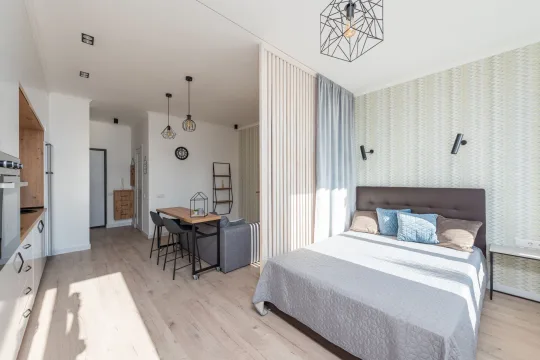
Studio for Rent in Abu Dhabi (2026)
Realistic studio rent ranges, the districts worth targeting, and the Tawtheeq and cheque details that catch first time Abu Dhabi renters out.
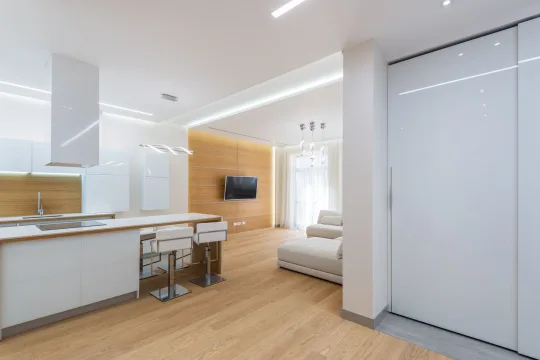
Apartments for Rent in Abu Dhabi (2026)
A 2026 guide to renting an apartment in Abu Dhabi: the best areas, how rents are structured, the Tawtheeq process, the current rent cap and tenant tips to rent smarter.

Villa for Rent in Abu Dhabi (2026)
Realistic rent ranges, the best villa districts, how the cheque system works and the Tawtheeq step that makes your Abu Dhabi tenancy official.